
Last updated October 16, 2026
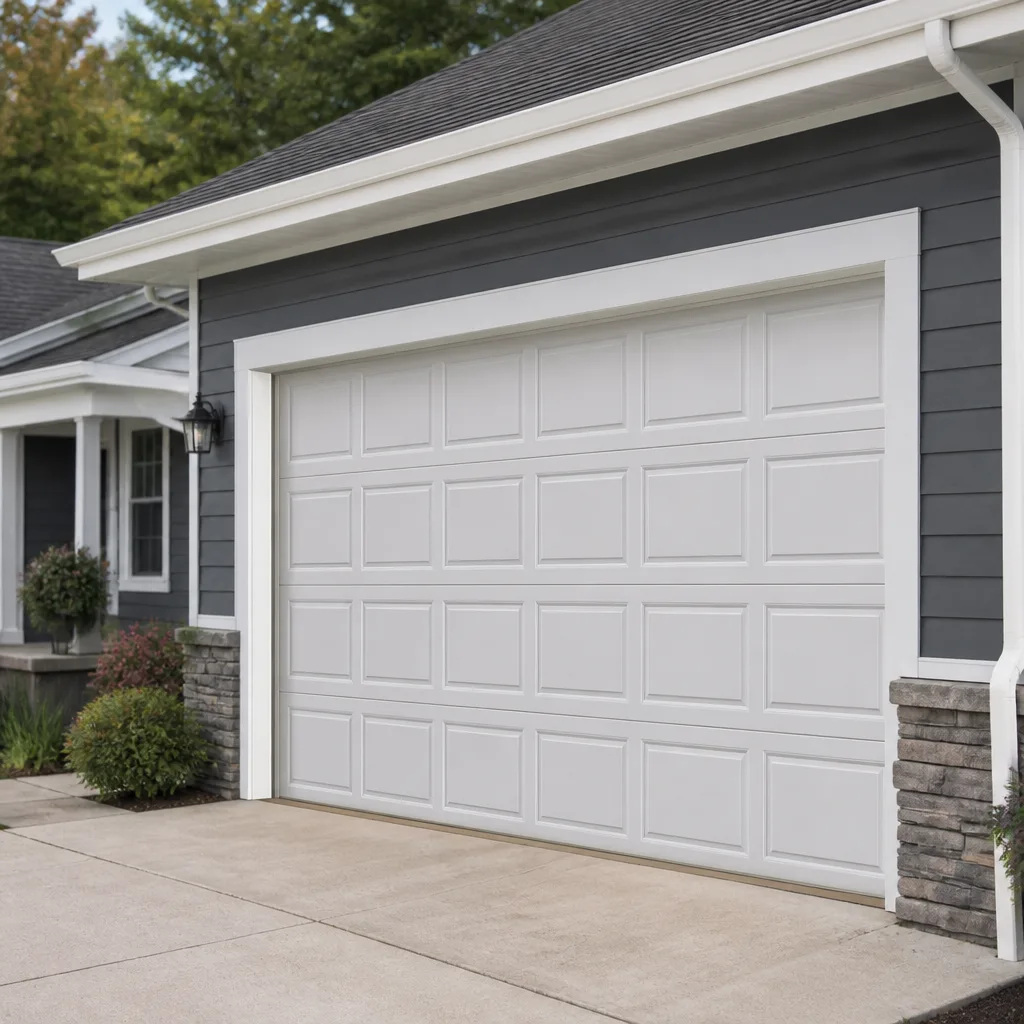 Raised-panel steel
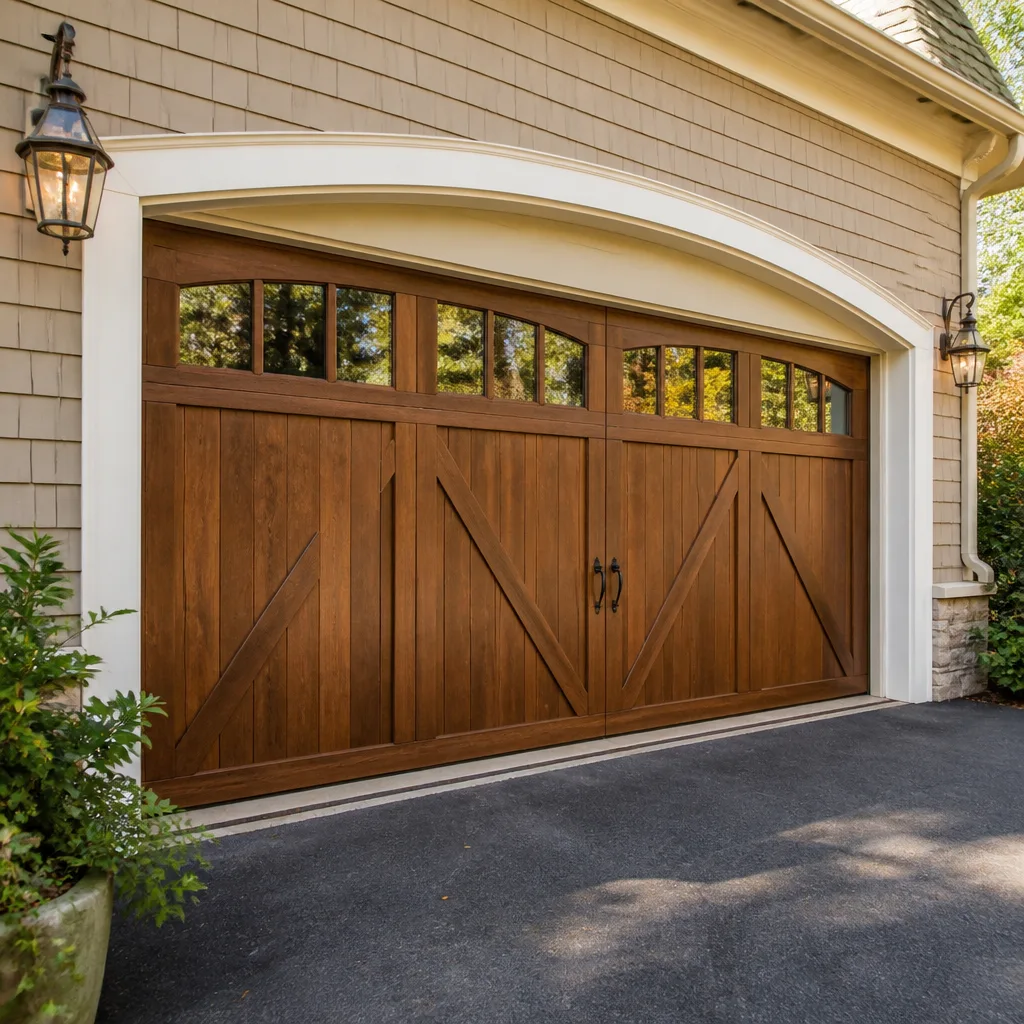 Carriage house
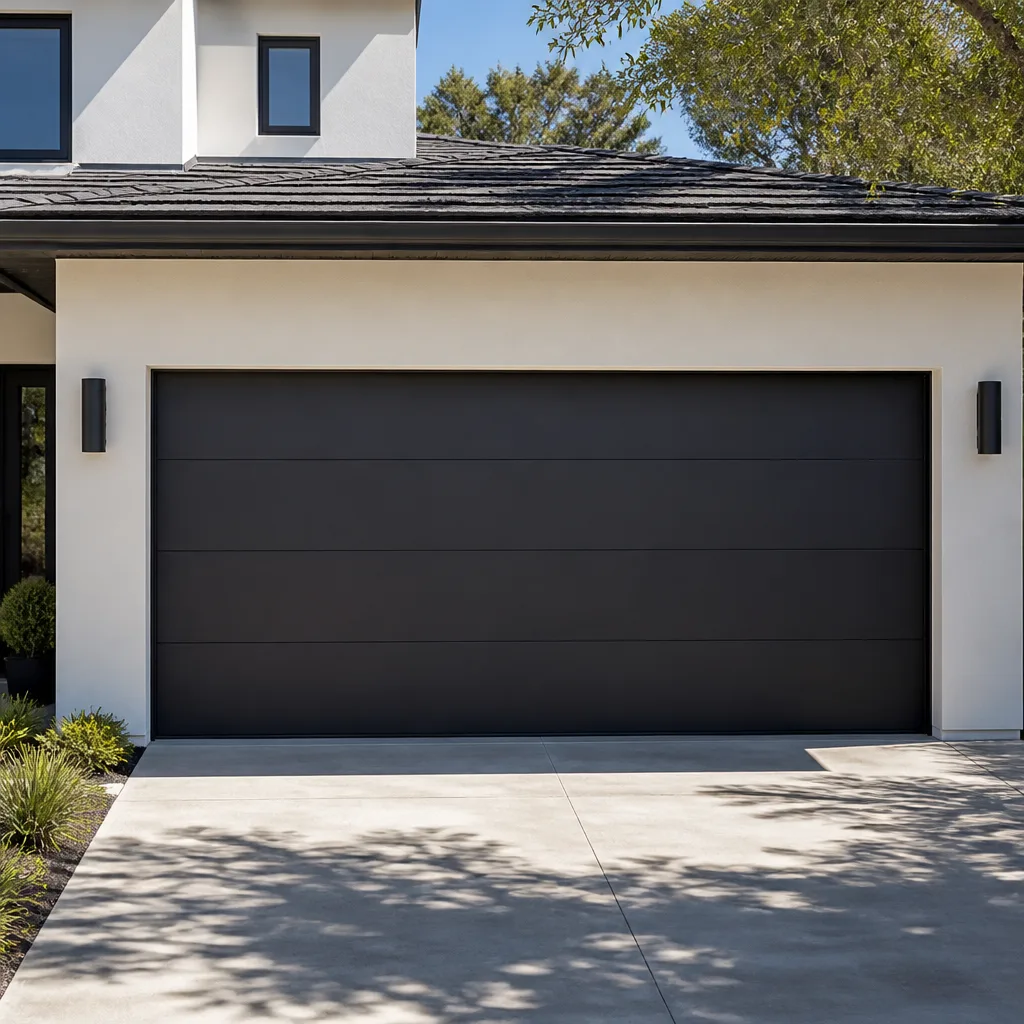 Modern flush
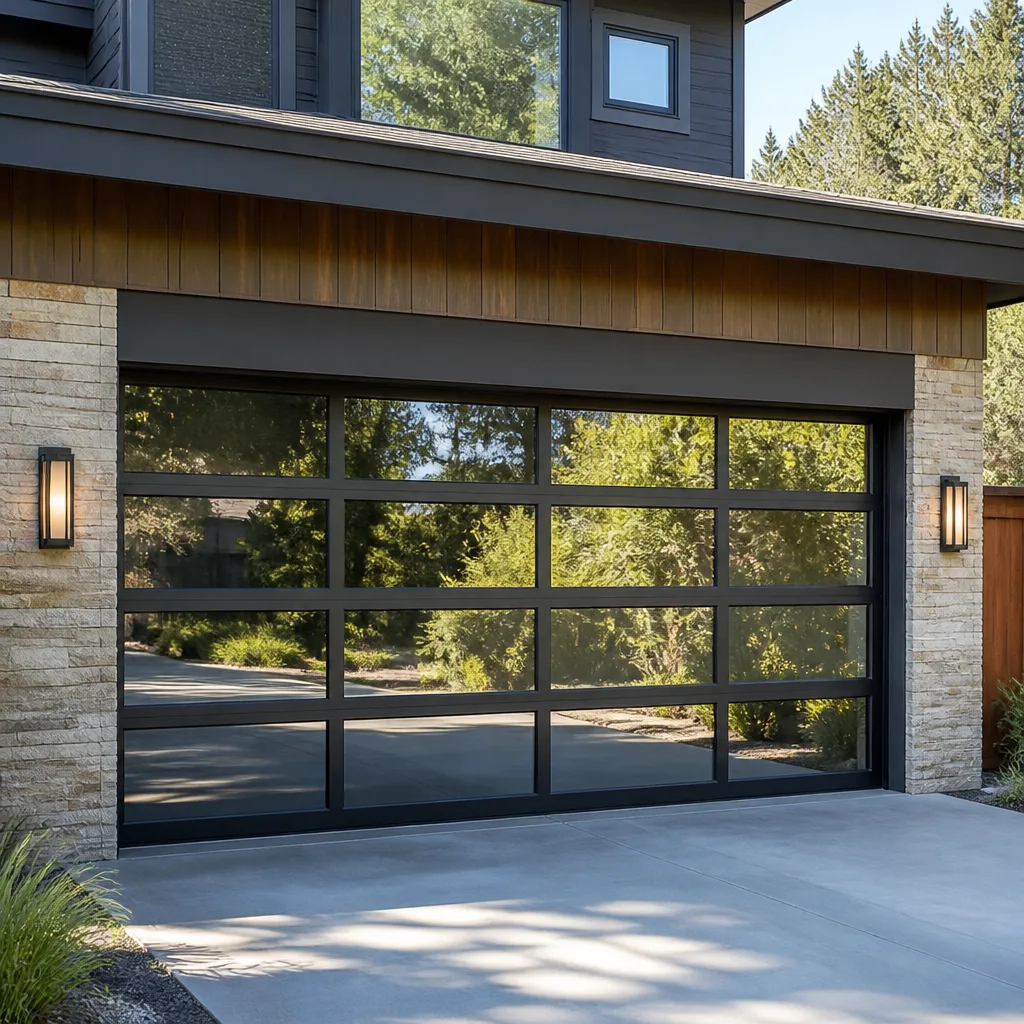 Full-view glass
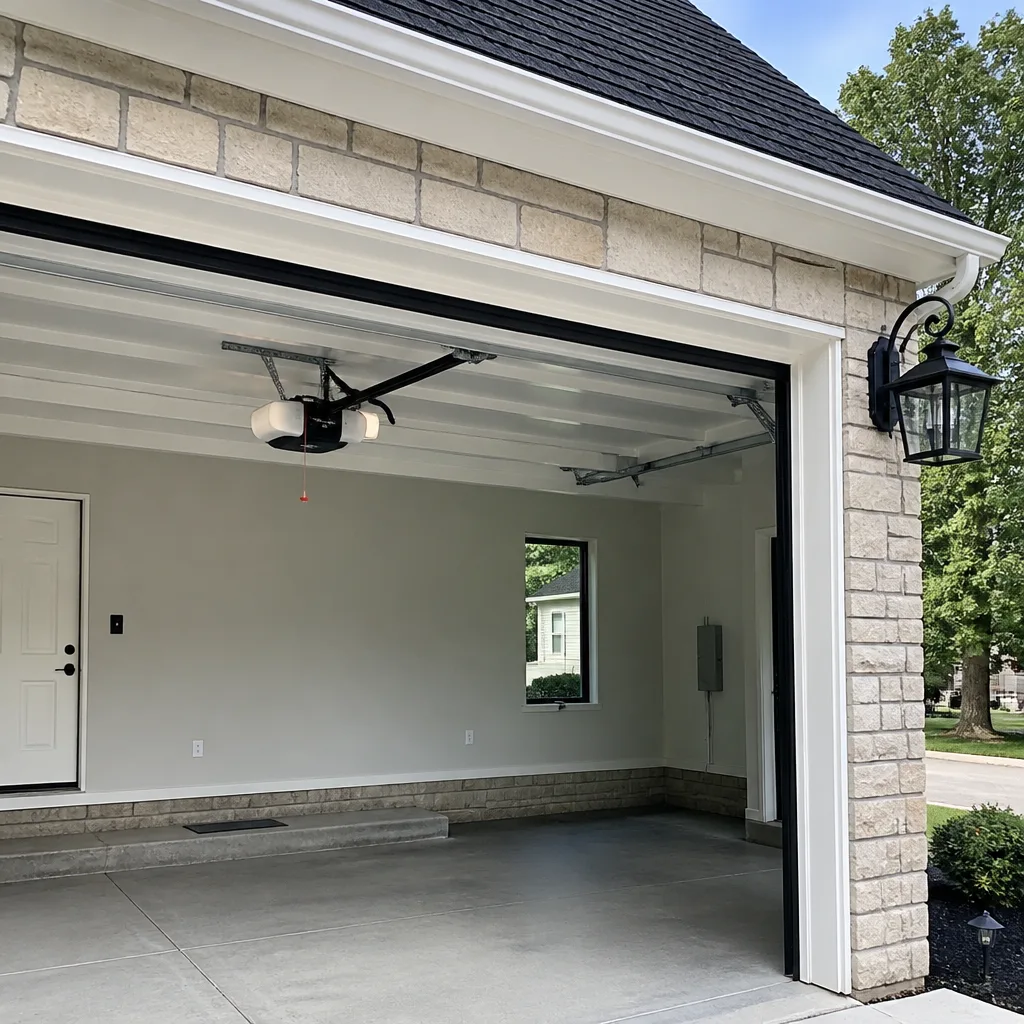 LiftMaster openers
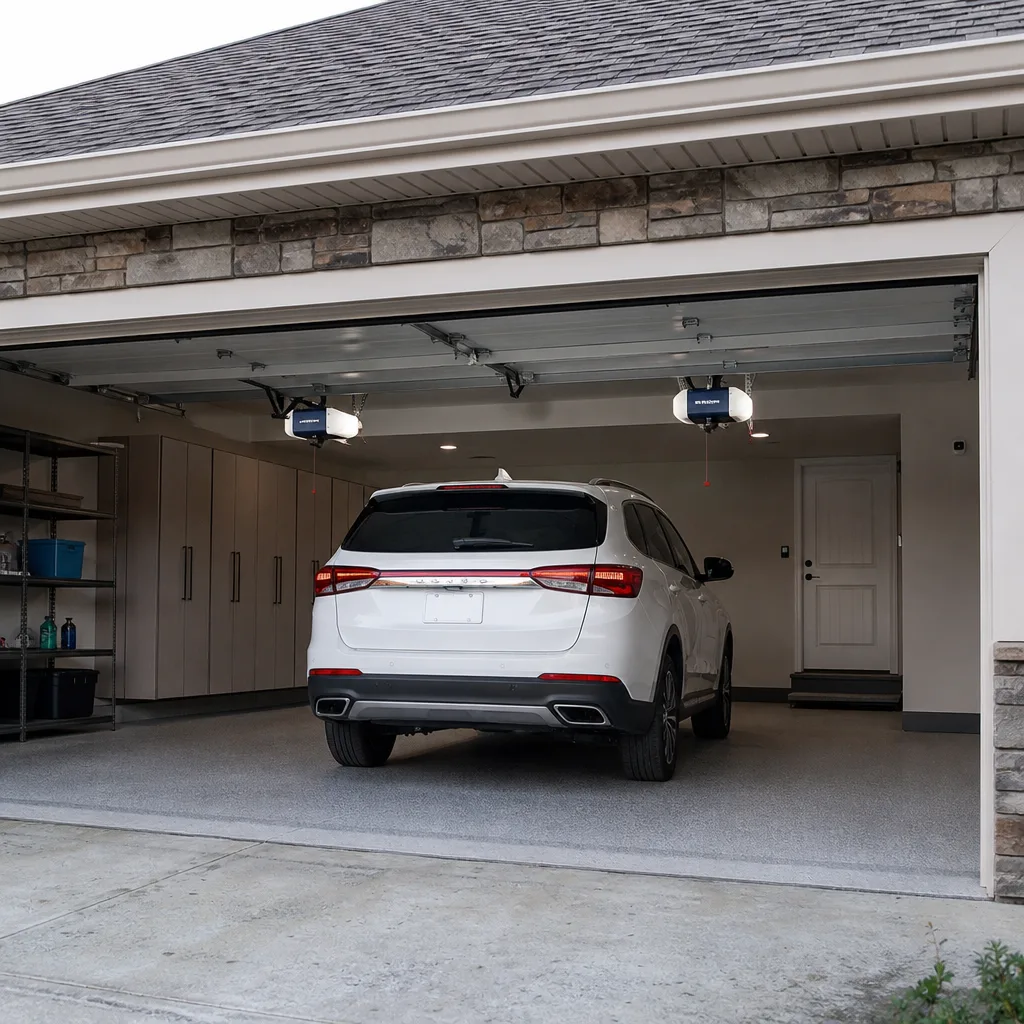 Chamberlain openers
Full 25-point door and opener safety check with every visit - springs, cables, rollers, tracks, and your LiftMaster or Chamberlain opener included
You get a price before we start. It does not change when the truck arrives.
Get your free estimateDIY vs Professional Garage Door: The Fort Lauderdale Homeowner’s Decision Guide
A torsion spring, the large coiled spring mounted above your garage door, stores roughly 100 foot-pounds of torque when fully wound. That’s enough stored energy to break bones or worse. And yet, a quick search for “garage door spring fix” returns hundreds of videos where the person filming has no idea how close they came to a serious injury. This guide will help you decide, task by task, what’s genuinely safe to handle yourself and what should go to a trained technician, with more guides & resources for Fort Lauderdale homeowners. It’s written specifically for Fort Lauderdale homeowners, where hurricane-rated door systems and Broward County permit requirements change the math in ways most national guides miss.
Styles & brands we work with
Quick Answer
For Fort Lauderdale homeowners, the DIY-versus-professional decision comes down to three categories: tasks with zero stored-energy risk (lubrication, sensor alignment, weatherstrip replacement) are fine for capable DIYers; tasks involving components under tension or hurricane-rated assemblies (springs, cables, panel replacement) are not safe to attempt without training and the right tools. Broward County also requires permits and inspections for full door replacements, which means a complete DIY door swap is not legally available to unlicensed homeowners regardless of skill level. If the task involves a torsion spring or a lift cable, call (754) 701-2440 for a professional assessment.
Table of Contents
- The Three-Category Framework: Where to Draw the Line
- Category One: Safe DIY Tasks for Any Capable Homeowner
- Category Two: Skilled-but-Learnable Tasks (With Spring Intact)
- Category Three: Non-Negotiable Professional Work
- Why Fort Lauderdale’s Hurricane-Rated Doors Change the DIY Math
- The Permit Reality: What Broward County Actually Requires
- Honest Cost Comparison: Where DIY Saves Real Money
- What to Do If You’ve Already Attempted a Repair
- Common Mistakes to Avoid
- When to Call a Professional
- Frequently Asked Questions
- The Bottom Line
The Three-Category Framework: Where to Draw the Line
Most online guides give you a binary choice: DIY everything brave, or call a pro for everything else. That’s not how the real world works. Over our years of garage door repair in Fort Lauderdale, we’ve seen plenty of homeowners handle small tasks with complete success, and we’ve also seen simple jobs go sideways because nobody told them where the actual danger lives. The line is not about mechanical ability. It’s about stored energy and code compliance.
Here’s the practical framework we use when homeowners ask us what they can tackle. Think of it as three buckets:
- Safe DIY: No stored energy, no structural modification, no permit required. Lubrication, sensor realignment, weather seal replacement, remote programming, light socket replacement. These take under an hour and require common tools.
- Skilled-but-learnable: Parts that move but are not under high tension while the door is open. Roller replacement on a door with working springs, hinge tightening, track bolt checking, bottom seal swap. These can be done by a careful homeowner, but the cost of a mistake is moderate.
- Professional-only: Torsion spring winding and replacement, lift cable replacement, panel replacement on hurricane-rated doors, opener replacement involving structural brackets, track realignment, any full-door installation. These require specialized tools, carry injury risk, or have permit implications in Broward County.
That’s the whole framework. The rest of this guide walks through each bucket, explains the Fort Lauderdale-specific wrinkles, and gives you honest numbers so you can make a decision without a sales pitch.
Category One: Safe DIY Tasks for Any Capable Homeowner
The tasks in this bucket share three traits: no springs or cables under tension, no structural changes, and no permit exposure. They’re maintenance items that keep your door running smoothly but don’t affect the safety systems that keep a 300-pound door from hurting someone. In Fort Lauderdale’s salt air and humidity, these tasks matter more than they do in drier climates because corrosion and swelling wear out moving parts faster.
Lubrication
Garage doors in Fort Lauderdale live in a corrosive environment. The combination of salt air off the Atlantic and 70% average humidity means metal rollers, hinges, and springs develop surface rust and friction faster than they would inland. Lubricating the moving components once or twice a year is the single highest-value DIY maintenance task, and it’s completely safe when you follow one rule: never touch the springs or cables. Use a silicone-based or lithium-based spray lubricant on rollers, hinges, and the opener chain. Apply to the bearings, not the surfaces the door rolls against. Do not use WD-40, which strips protective coatings and dries out quickly in Florida’s heat.
Sensor Alignment
The photo-eye sensors mounted near the bottom of each door track are simple devices that prevent the door from closing on a person, pet, or bicycle. If your door refuses to close and the opener lights blink, misaligned sensors are the most common culprit. You can realign them yourself in under ten minutes: loosen the wing nut holding each sensor, adjust the angle until the indicator light stops blinking and goes solid, and retighten. In Fort Lauderdale homes with frequent garage usage (kids, bikes, beach gear), sensors get bumped out of alignment regularly. This is a safe and legitimate DIY fix.
Weatherstrip Replacement
The rubber seal along the bottom of your door keeps rainwater, leaves, and pests out of your garage. In Fort Lauderdale, where afternoon thunderstorms are a daily summer event and standing water is a mosquito breeding ground, a failed bottom seal is a bigger deal than in most cities. Replacing the T-style rubber weatherstrip is straightforward: pull the old strip from the bottom retainer, slide the new one in, and mark the ends. No springs are involved. No special tools are needed. An hour of work saves you from water damage and insect problems.
Opener Remote Programming
Reprogramming a remote or keypad for your LiftMaster, Genie, or Chamberlain opener is a straightforward DIY task that takes minutes. The process varies by brand and model, but the instructions are in your opener’s manual, and most remotes have a learn button that makes pairing simple. This is purely an electronics task with no mechanical risk. If your opener is old enough to lack rolling-code security, replacement may be the better option, but for programming alone, DIY is fine.
Category Two: Skilled-but-Learnable Tasks (With Spring Intact)
The middle bucket is where honest guidance matters most. These tasks involve moving parts but do not require you to touch the springs, cables, or structural components. A careful homeowner with moderate tool experience can handle them, but the cost of a mistake ranges from a frustrating afternoon to a door that scrapes, binds, or comes off its track. The key condition for every task in this bucket: the springs must be fully intact and doing their job. If your springs are broken or visibly rusted, the door is not safe to work on, and none of these tasks apply.
Roller Replacement (On a Functioning Spring System)
Rollers are the small wheels that ride inside the metal tracks on both sides of the door. Over time, the metal or nylon rollers wear down, causing the door to grind and shake. Replacing them is a realistic DIY project for a homeowner who understands that the door’s weight is balanced by the springs, not by the rollers. The process involves disconnecting the opener, locking the door in the open position with vice grips on the track, and swapping rollers one at a time. But here’s what most videos don’t mention: if you let the door slip while a roller is out, you can bend the track, and then you’ve turned a $40 roller replacement into a $200 track realignment. The bottom rollers on the bottom brackets are bolted to the cable, so those are professional territory. The top and middle rollers are the DIY-friendly ones.
Hinge Tightening and Track Bolt Checks
Door hinges and track bolts loosen over time, especially in Fort Lauderdale homes where daily heat expansion and humidity cycles work fasteners loose. Walking your door with a socket wrench every few months is a smart, safe maintenance habit. Tighten any loose bolts you see. But watch for this: if a hinge is pulling away from the door frame and the holes are stripped, a larger repair is needed. And if a bolt hole in the track is wobbly, the track itself may need anchoring, which is a professional fix because the track aligns the door under tension.
Bottom Seal Swap
We covered weatherstrip replacement in the first bucket, but there’s a version of this task that belongs here. If your door has an aluminum bottom retainer that holds the seal, and the retainer is in good condition, swapping the seal is straightforward. If the retainer is bent, corroded, or coming loose from the door, you’re now dealing with a structural connection at the bottom of a moving 300-pound panel. In Fort Lauderdale’s salt environment, aluminum bottom retainers corrode and weaken. If yours is showing white oxidation or is spongy to the touch, that’s a door-off, panel-down replacement, which is a job for a technician.
Opener Force and Limit Adjustments
Every automatic opener has adjustable settings for how hard it pulls and where it stops. When a door starts reversing for no reason or stopping a few inches short of the floor, the limit switches (the internal stops that tell the opener where to stop the door) may need adjustment. This is a learnable task, and the process is described in the owner’s manual for your LiftMaster or Genie opener. The reason it’s in the middle bucket and not the safe bucket is that homeowners who overtighten the force setting can defeat the opener’s safety-reverse mechanism, which is the exact feature that prevents the door from crushing a child or pet. Adjust limits carefully, and test the safety reverse every time you touch the settings. If you have any doubt about the result, rewind your changes and call a garage door spring repair in Fort Lauderdale technician to do it properly.
Category Three: Non-Negotiable Professional Work
This bucket is where the stored-energy and code-compliance lines are drawn. The tasks in this category are not “maybe” territory. They carry real, well-documented injury risk, or they touch systems that Florida building codes and Broward County permit rules govern. A mistake in this bucket can send you to the emergency room, void your windstorm insurance coverage, or leave you with a door that fails when a hurricane is approaching.
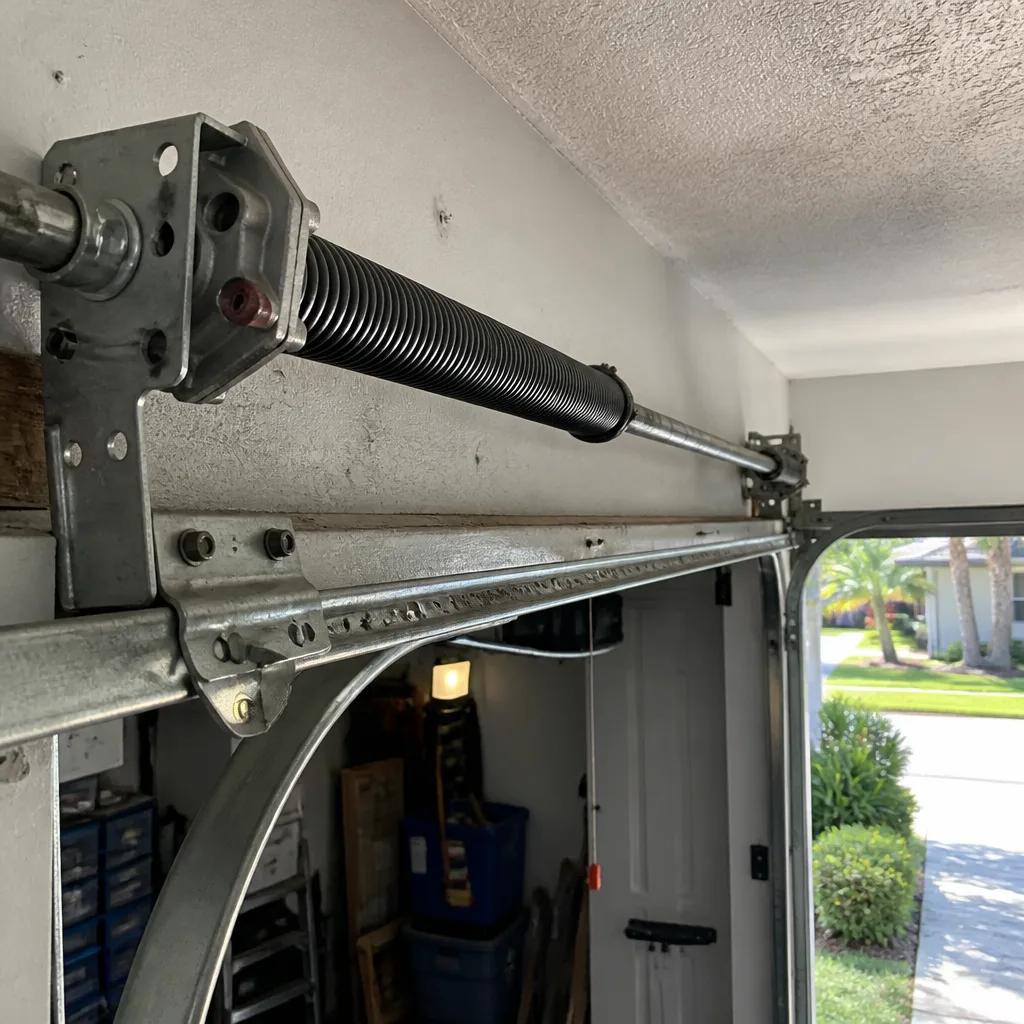
Torsion Spring Winding and Replacement
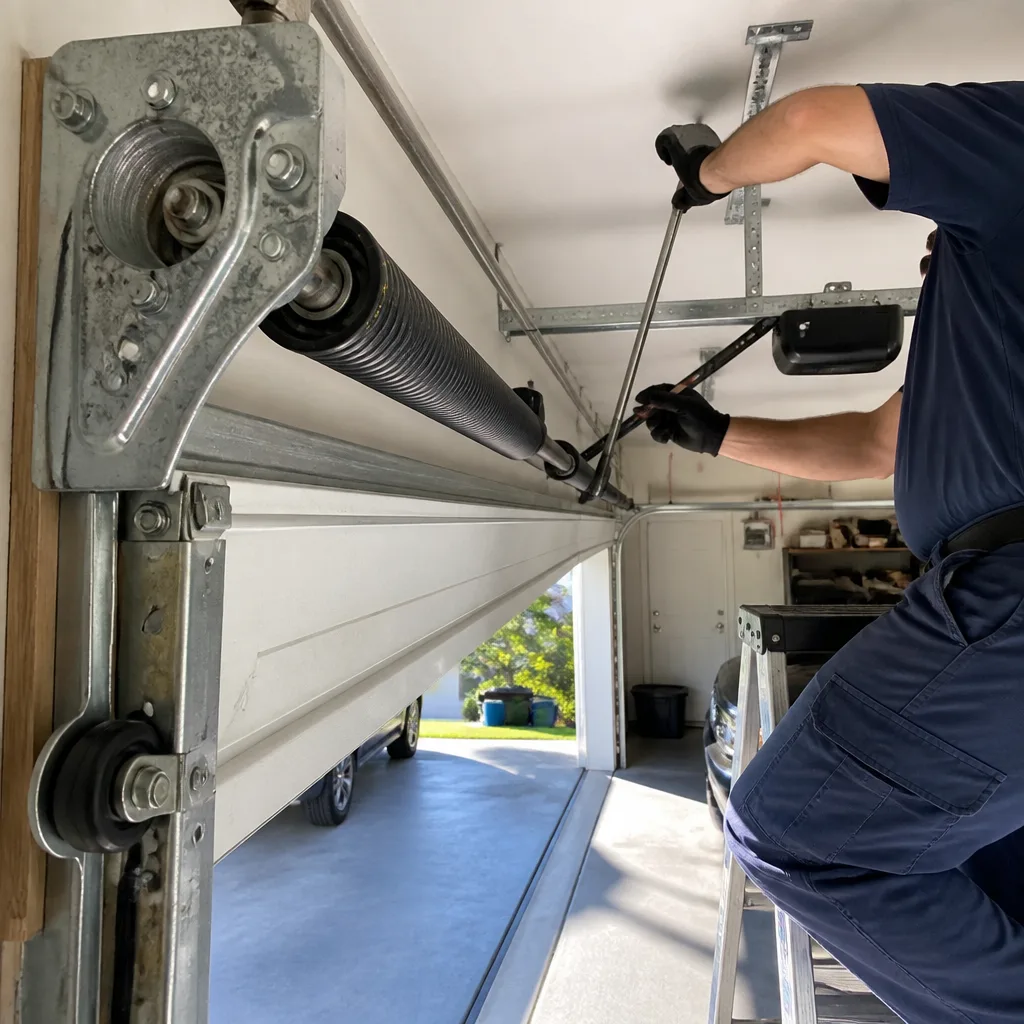
Torsion springs, the heavy coils mounted above the door that handle most of the lifting weight, are the single most dangerous component in any home’s mechanical systems. When a technician winds one of these springs, they are using a pair of steel winding bars to add roughly 7 to 8 full turns of stored energy. Each turn adds torque. A fully wound spring holds enough energy to break a forearm, launch a steel bar through a skull, or throw a ladder. The risks are not hypothetical. Emergency room data has documented injuries from DIY spring attempts for years. This is not a learned-skill, watched-a-video, read-the-manual situation. A technician carries winding bars made specifically for this job, uses the correct size for the spring, and has the experience to know when the spring is fatigued to the point where it may snap while being wound. Even experienced technicians treat spring winding with complete focus.
In Fort Lauderdale, there’s an additional wrinkle: the humidity accelerates spring corrosion, and a corroded spring is more likely to snap during winding. Most torsion spring replacements from professional services run $150 to $280, parts and labor included, depending on spring size and door weight. That’s a reasonable price for the single most dangerous repair in a home.
Lift Cable Replacement
The lift cables are the steel cables that connect the door’s bottom brackets to the spring system, and they live under full tension at all times, even when the door is closed. If a cable snaps while you’re working near it, the released tension can whip the cable through the air with enough force to cause deep lacerations or worse. And when a cable fails, the remaining cable is now carrying double the load, which means it’s also likely near failure. Cable replacement requires releasing the spring tension, which is itself the dangerous part. The sequence is a trained procedure, not a home-repair task.
Panel Replacement on Hurricane-Rated Doors
Here’s the Fort Lauderdale-specific issue that national guides miss entirely. Many homes in Fort Lauderdale and across Broward County have garage doors that carry a Miami-Dade or Florida Building Code product approval, commonly called an NOA (Notice of Acceptance). These doors are engineered and tested to withstand specific wind pressures and impact standards. Replacing a damaged panel with a panel that is not from the same manufacturer and the same product line voids the door’s product approval. That means your windstorm insurance coverage is now compromised. The claim that gets denied is not the garage door panel; it’s the roof, the windows, and the interior damage that the insurance company attributes to the unrated door’s failure. If a branch put a hole in your hurricane-rated panel, that’s a professional replacement project. It’s also a conversation with your insurer, and a licensed technician will know the documentation trail to navigate.
Structural Header Work
The header is the beam above the garage door opening that carries the weight of the wall and roof above it. In Florida, headers are engineered for specific wind loads, and they are part of the structure that holds your roof on during a storm. If you’re seeing a sagging beam, cracked stucco above the door, or doors that are increasingly difficult to open, you may have a header problem. This is a structural repair, not a garage door repair. It requires an engineer’s assessment, a contractor’s permit, and a building inspection. No homeowner should attempt structural header work, and no honest garage door company will offer to “shim it up” without involving the right professionals. Bramwell garage door technicians are trained to identify header issues and will tell you when the job is structural, not mechanical.
Why Fort Lauderdale’s Hurricane-Rated Doors Change the DIY Math
National DIY guides are written for the 49 states that don’t sit in a hurricane zone. Fort Lauderdale is not one of those states. The garage door is the largest opening in your home’s wind envelope, and a failure during a storm often leads to a catastrophic pressure differential that lifts the roof off. This is not alarmist language. It’s the specific engineering failure mode that Florida’s building codes were written to prevent.
Here’s what this means for a homeowner considering DIY work on a hurricane-rated door:
- Panel replacement must match the original product approval. A Raynor, Amarr, or Clopay door that carries an NOA has its approval tied to the exact panel, hardware, and track system that was tested together. Mixing brands or generations voids the approval.
- Track and bracket work must preserve the approved anchoring pattern. Hurricane-rated doors are anchored to the structure with specific fasteners at specific intervals. If you loosen a track bracket and re-anchor it in a different spot with a different fastener, you’ve altered the tested system.
- Wind-load requirements are zip-code specific. Fort Lauderdale sits in a High Velocity Hurricane Zone (HVHZ). Doors installed here must meet HVHZ standards, which are stricter than the rest of Florida. A door that’s fine in Orlando is not necessarily compliant in Fort Lauderdale.
- Insurance carriers in Broward County are increasingly strict about door documentation. If you make a windstorm claim and you can’t produce the door’s product approval, the carrier may deny the claim. The approval is a specific document, not a memory.
The practical takeaway: if your door carries a hurricane-rating label or product approval sticker, any modification to the door itself is a professional job. The DIY tasks in Category One and Category Two remain safe because they don’t alter the door’s structural or wind-rated components. Lubrication, sensor alignment, weather sealing, roller replacement on intact springs, and force adjustments are all fine. But modify a panel, alter a bracket, or swap a track, and you’ve crossed a line that has legal and insurance implications, not just mechanical ones.
The Permit Reality: What Broward County Actually Requires
Here’s a fact that most DIY content ignores completely: in Broward County, a garage door replacement is not a repair. It’s a building modification that requires a permit and an inspection. This applies to full door replacements and, in most cases, to any change to the door’s structural assembly. A homeowner trying to do a complete DIY door replacement, even with perfect mechanical skills, is doing work that is not legal without a licensed contractor and the permit process.
The specific requirements vary by municipality, but for unincorporated Broward County and the City of Fort Lauderdale, a building permit is required for any garage door replacement. The permit process involves submitting manufacturer product approvals, wind-load calculations, and plans prepared by a licensed contractor. The inspection verifies that the door was installed according to the approved plans and that the anchoring, track, and panel installation matches the product approval.
This matters for two practical reasons:
- Resale liability: If you sell your Fort Lauderdale home and the buyer’s inspector finds an unpermitted garage door install, the sale stalls until you either legalize the installation or redo it with a permit. The cost at closing is always higher than the cost at installation.
- Insurance exposure: If a storm damages your unpermitted door and forces a claim, your insurance carrier can point to the unpermitted work as the reason the door failed. This is not a theoretical concern in Broward County. Carriers here have become specific about documentation in the last decade.
What does this mean for the DIY-versus-professional question? It means there is no legal “full DIY door replacement” option in Fort Lauderdale. The permit requirement effectively closes that path. Garage door installation in Fort Lauderdale is a licensed, permitted, inspected process. It’s the law, and it’s also the reason homeowner’s insurance exists in the first place.
Honest Cost Comparison: Where DIY Saves Real Money
There’s a middle ground between “never DIY anything” and “YouTube made me brave.” Some tasks genuinely save you money when you handle them yourself, and some tasks that look cheap to DIY are actually more expensive than hiring a pro once you factor in tools, parts, time, and the cost of fixing your mistakes. Here’s an honest breakdown of the tasks that sit on the line.
DIY is clearly cheaper: Lubrication, Weatherstrip, Sensor Alignment
These tasks have negligible part costs and zero tool costs. A can of spray lubricant is $8 to $12 and lasts for years. A bottom weatherstrip replacement is $15 to $30 for the strip and takes an hour. Sensor alignment costs nothing. A service call for any of these same tasks runs $80 to $150, mostly as a minimum trip charge. DIY is the right call for these tasks, and there’s no safety downside.
DIY is often cheaper, but the margin is smaller than you think: Roller Replacement
A full set of nylon rollers costs $30 to $60 at retail. A professional roller replacement in Fort Lauderdale runs $90 to $180 including the rollers, labor, and a quick inspection of the tracks and springs. If everything goes right, you save $60 to $120. If a roller slips and bends a track, the repair jumps to $200 to $300, and you’ve erased the savings. The honest math: roller replacement is a reasonable DIY task if you have decent tool experience and the patience to work carefully, but the savings are modest, not dramatic.
DIY is usually a false economy: Spring Replacement
This is the comparison that confuses people. A pair of torsion springs retails for $40 to $80 online. A professional replacement runs $150 to $280. On paper, that looks like a $100+ DIY savings. In reality, a professional spring replacement requires winding bars ($20 to $40 for a set), the correct spring for your door’s specific weight and height, and the experience to judge whether the spring is fatigued. The cost of a mistake here is measured in hospital bills, not dollars. And a spring that’s installed incorrectly either fails immediately or causes the door to run unbalanced, which then destroys rollers, hinges, and the opener. The honest math is that spring replacement is never a DIY economy. The risk-adjusted cost of DIY outweighs the savings every time.
DIY is not available to you: Full Door Replacement
We covered this in the permit section, but it bears repeating in a cost table. A full door replacement in Fort Lauderdale runs $1,200 to $4,500 depending on door size, material, insulation, and hurricane rating. The DIY version of this job is not a cheaper alternative; it’s an unpermitted installation that will come back to you at resale, at inspection, or when the next hurricane arrives.
Here’s the honest comparison in table form for the tasks homeowners most often ask about:
- Lubrication: DIY $8-$12. Professional $80-$120. DIY savings: clear.
- Weatherstrip replacement: DIY $15-$30. Professional $90-$140. DIY savings: clear.
- Sensor alignment: DIY $0. Professional $80-$120. DIY savings: clear.
- Roller replacement: DIY $30-$60. Professional $90-$180. DIY savings: moderate, with risk.
- Torsion spring replacement: DIY $40-$80 (parts only). Professional $150-$280. DIY savings: false economy, high injury risk.
- Lift cable replacement: DIY $25-$50 (parts only). Professional $120-$220. DIY savings: false economy, high injury risk.
- Full door replacement: DIY not available. Professional $1,200-$4,500 (permitted and inspected).
What to Do If You’ve Already Attempted a Repair
Homeowners sometimes call us after attempting a repair and hitting a wall. Maybe they got a roller half-installed and realized the spring looked worse than they thought. Maybe they started adjusting a limit switch and now the door reverses at the wrong spot. Maybe they loosened a track bracket and now the door makes a grinding noise. It happens. The important thing is how you handle the call.
Here’s what to disclose when you call a technician, and why honesty matters even when it’s a little embarrassing:
- Say exactly what you touched. Tell the technician which parts you removed, loosened, adjusted, or inspected. A partial DIY attempt changes the diagnostic picture. If the technician doesn’t know what was altered, they may misdiagnose the problem and add time and cost.
- Mention any parts you already bought. If you purchased springs, rollers, or brackets online, tell the technician. Some of those parts may be usable, and others may be the wrong size or grade for your door. The technician can tell you which is which.
- Ask what the partial DIY may have affected. A good technician will explain whether the work you attempted could have changed spring balance, track alignment, or opener calibration. This is the conversation that prevents you from making the same mistake again.
- Ask about the written estimate before any repair begins. The Kingswell standard that Bramwell operates under requires a written price before any work starts. That means the price you hear on the phone or at the door is the price on the invoice. If a repair you attempted has caused secondary damage, the written estimate is the document that tells you exactly what the full fix will cost, before anything else happens.
- Ask what the guarantee covers. Bramwell’s 365-Day Done Right Promise means if a covered repair fails within a year, the technician returns to fix it at no charge. That promise is in writing, not just spoken at the door. It’s the difference between a one-time visit and a company that is accountable for the work.
If you’ve already made an attempt and want a professional to look at the result, call (754) 701-2440. You’ll get a straight answer, a written price, and no judgment about the attempt. Every homeowner who’s done a DIY repair has been exactly where you are.
Common Mistakes to Avoid
- Attempting spring work with improvised tools. Winding bars are specific steel rods designed for the spring’s winding cone. Screwdrivers, pry bars, and rebar are not substitutes, and they are the tools that cause the injuries you read about. If you don’t own winding bars, you should not be near the spring with anything in your hand.
- Replacing one spring instead of both. Torsion springs are installed in pairs and wear at the same rate. If one has broken, the other is near failure. Replacing only the broken spring leaves you with an unbalanced door and a second spring that will fail soon. In Fort Lauderdale’s humid climate, where corrosion accelerates spring fatigue, this mistake is even more costly.
- Overtightening the opener’s force setting. This is the DIY adjustment that most often defeats the safety-reverse feature. The opener should reverse when it meets resistance, not power through it. If you’ve set the force to “maximum” to make the door close, you’ve disabled the mechanism that protects people and pets.
- Using the wrong lubricant. WD-40 is a solvent and water displacer, not a lubricant. It strips protective coatings and evaporates quickly in Fort Lauderdale’s heat. Use a silicone or lithium spray made for garage doors.
- Replacing a panel on a hurricane-rated door with a generic panel. We covered this in the hurricane-code section, but it’s the single most expensive DIY mistake a Fort Lauderdale homeowner can make. The panel must match the manufacturer and product line or the NOA is void, and your insurance coverage goes with it.
- Ignoring a door that’s getting harder to open. A door that’s increasingly heavy is a sign of spring fatigue. The longer it runs, the harder the opener works, and the sooner the opener burns out. If the door feels heavy, the springs are telling you something. Call a Bramwell Garage Doors Fort Lauderdale home technician before the opener fails too.
- Disconnecting the opener with the door in the closed position. When you pull the red emergency release cord while the door is closed, you disconnect the opener from a door that is held up only by the springs. If the springs are weak or broken, the door slams down instantly. Always disconnect the opener with the door fully open or after checking that the springs are holding the door in place.
When to Call a Professional
If the task involves a torsion spring, a lift cable, or any component under tension, call a professional. If it involves modifying a hurricane-rated door’s structural assembly, call a professional. If you’ve attempted a repair and the door is now worse, call a professional. If the door is making a sound you’ve never heard before or is shaking on its tracks, call a professional. Trust the feeling that something is not right. That feeling has saved more homeowners from bad outcomes than any YouTube tutorial ever has. Bramwell Garage Doors Fort Lauderdale offers free estimates to homeowners throughout Fort Lauderdale. Call (754) 701-2440 and a live person will answer, any time of day or night.
Frequently Asked Questions
Most torsion spring replacements in Fort Lauderdale run $150 to $280, parts and labor included, depending on spring size, door weight, and whether you’re replacing one spring or a pair. The price you’re quoted is the price you’ll pay, because Bramwell writes the estimate before any work begins. Call (754) 701-2440 for an exact quote on your door.
On a hurricane-rated door, no. The panel must match the original manufacturer and product line to preserve the Miami-Dade or Florida Building Code product approval. A mismatched panel voids the door’s NOA and may compromise your windstorm insurance coverage. This is a professional replacement job with documentation requirements.
Lubrication, weatherstrip replacement, sensor realignment, hinge tightening, and opener remote programming are safe DIY tasks for a capable homeowner. They don’t involve stored energy or structural modification. Everything else deserves a careful read of the risk before you start.
Yes. A full garage door replacement in Fort Lauderdale and most of Broward County requires a building permit and a follow-up inspection. The permit process has to be initiated by a licensed contractor, which means a complete DIY door replacement is not legally available to unlicensed homeowners.
No, not with Bramwell. The written price is delivered before any work starts, and the number on the invoice matches the number you heard. If secondary damage is discovered during the repair, you’ll get a new written estimate before anything additional is done. No surprises, no door-step repricing.
Bramwell’s 365-Day Done Right Promise covers it. If a covered repair fails inside the guarantee period, we return and fix it at no charge. That promise is in writing on every job, not just said at the door. Ask the technician exactly what the guarantee covers and for how long, and you’ll get a clear answer.
The Bottom Line
The DIY-versus-professional decision for garage doors is not about how handy you are. It’s about stored energy, code compliance, and the hurricane-rated systems that Fort Lauderdale homes require. Lubrication, weather seals, and sensor alignment are legitimate homeowner tasks that save real money. Springs, cables, panels, and structural work are not. And the permit reality in Broward County closes the door on full DIY replacements entirely. When the task crosses the line, call (754) 701-2440 and get a written price before any work starts. That’s how the Kingswell standard works, and that’s how every job should go.
Written by Marcus Ellery, Owner at Bramwell Garage Doors Fort Lauderdale, serving Fort Lauderdale since 2001.
See the difference
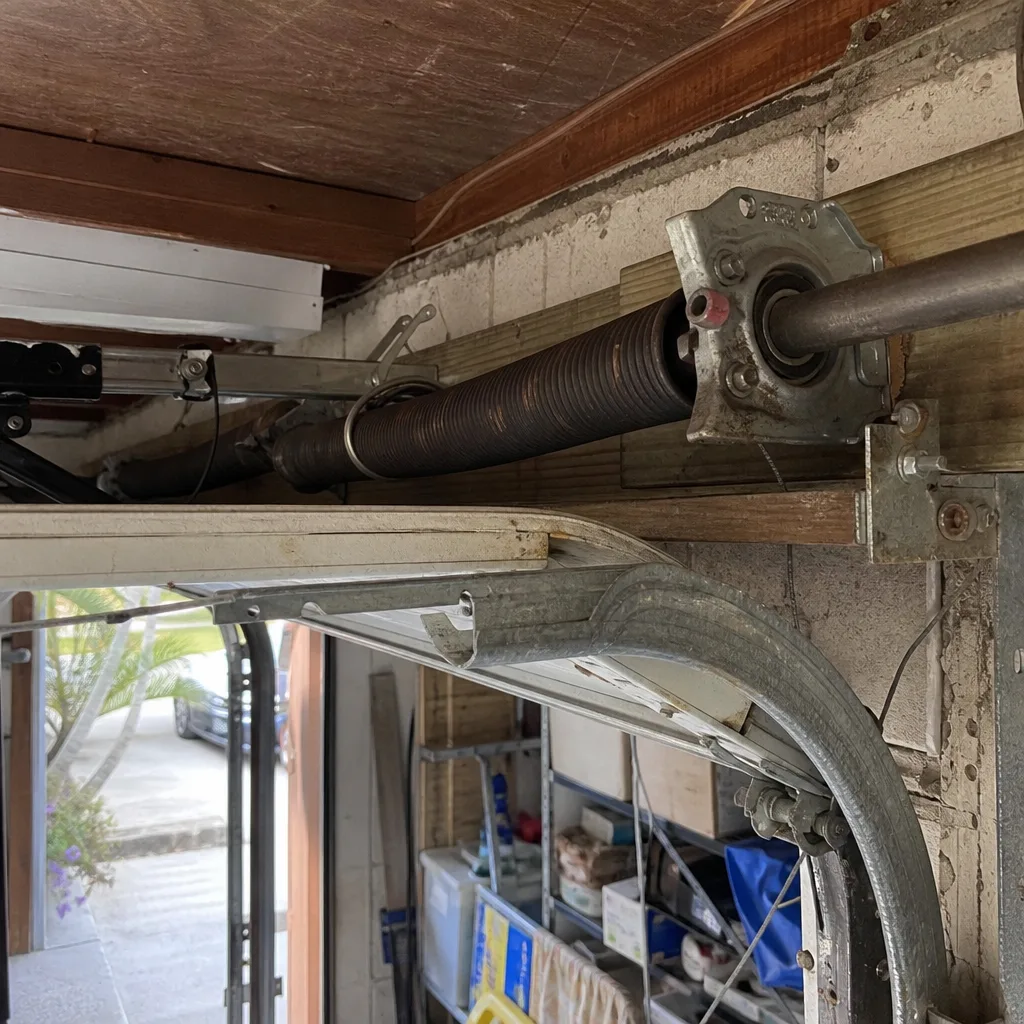 Before
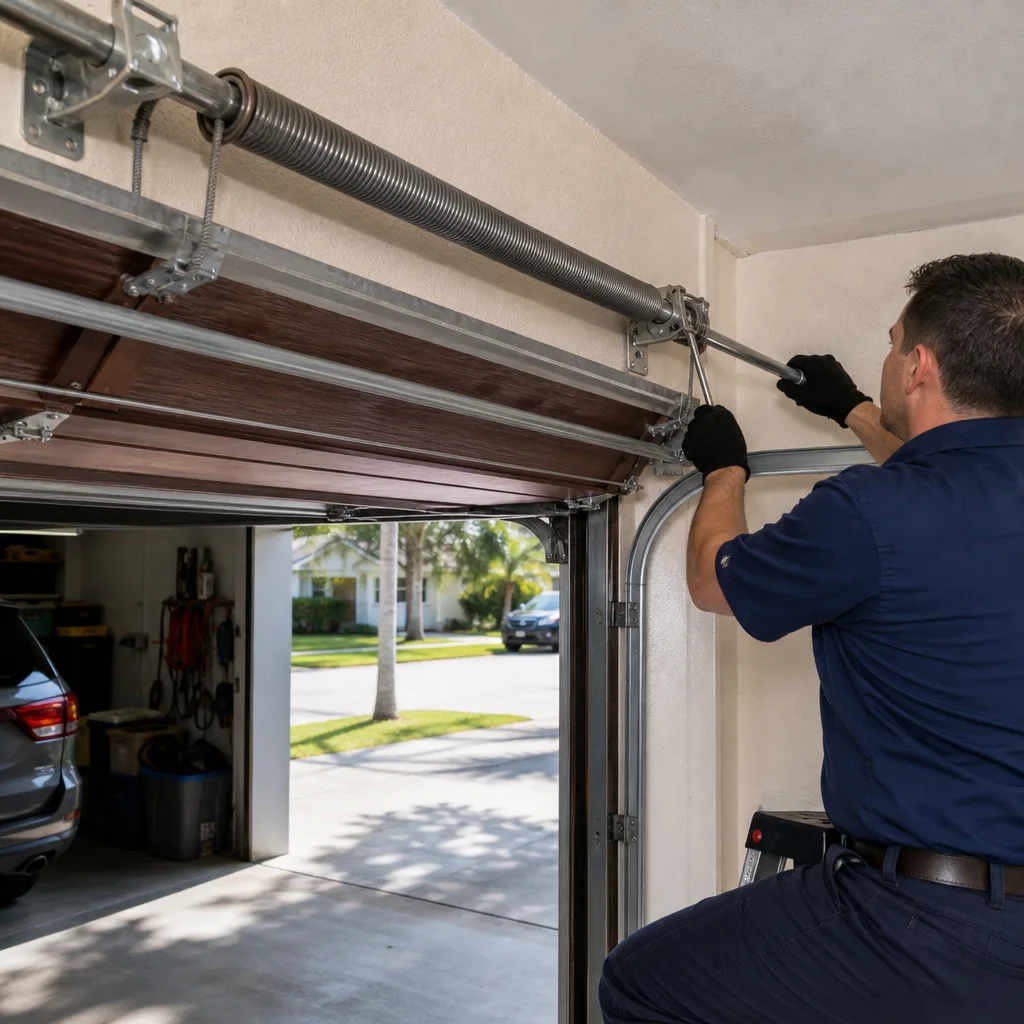 After
After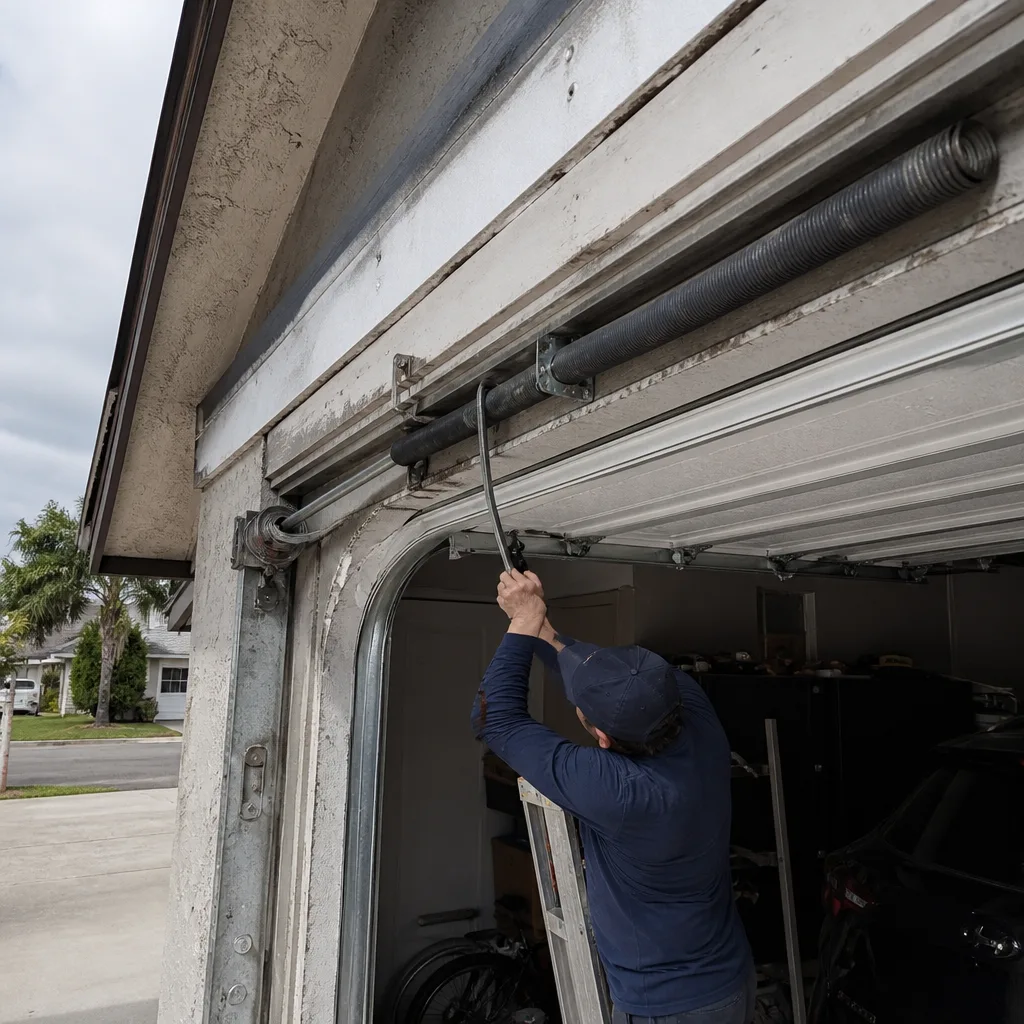 Before
 After
After Before
 After
After