
Last updated October 16, 2026
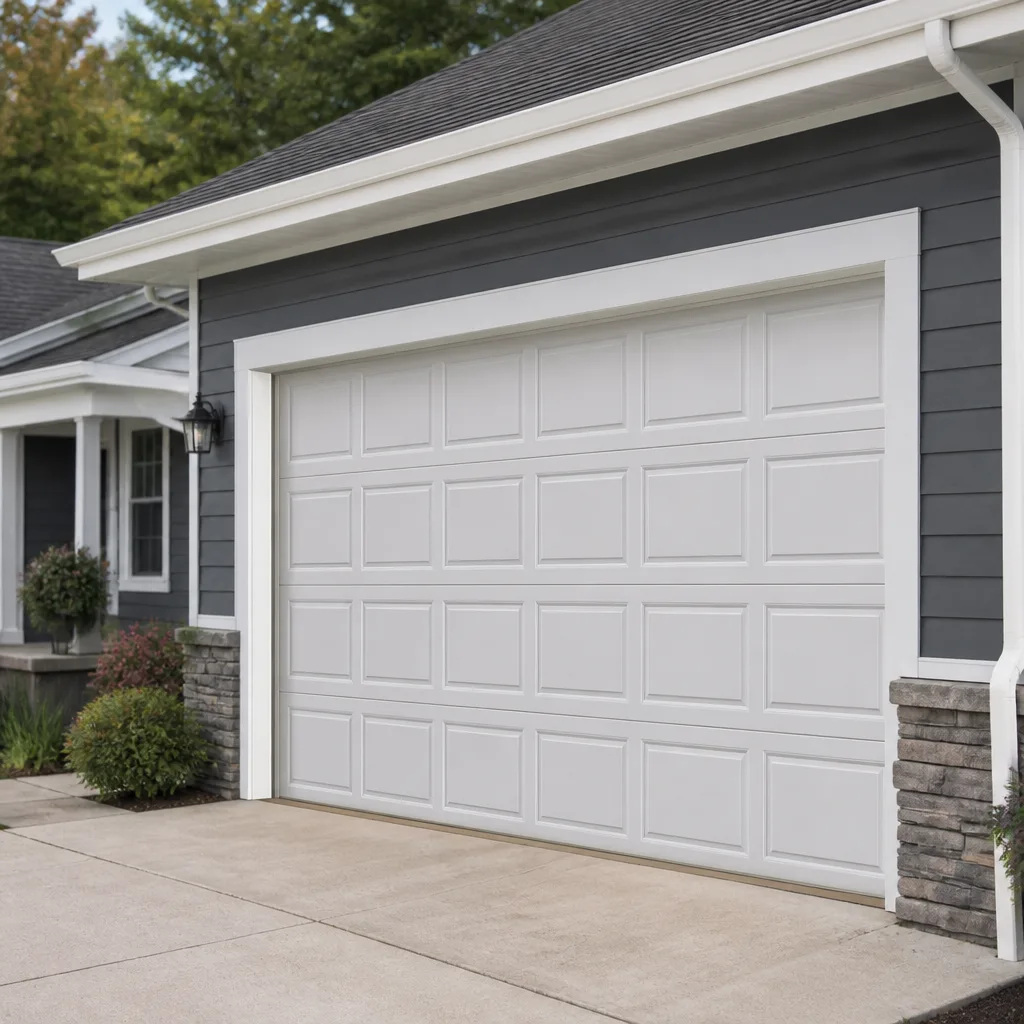 Raised-panel steel
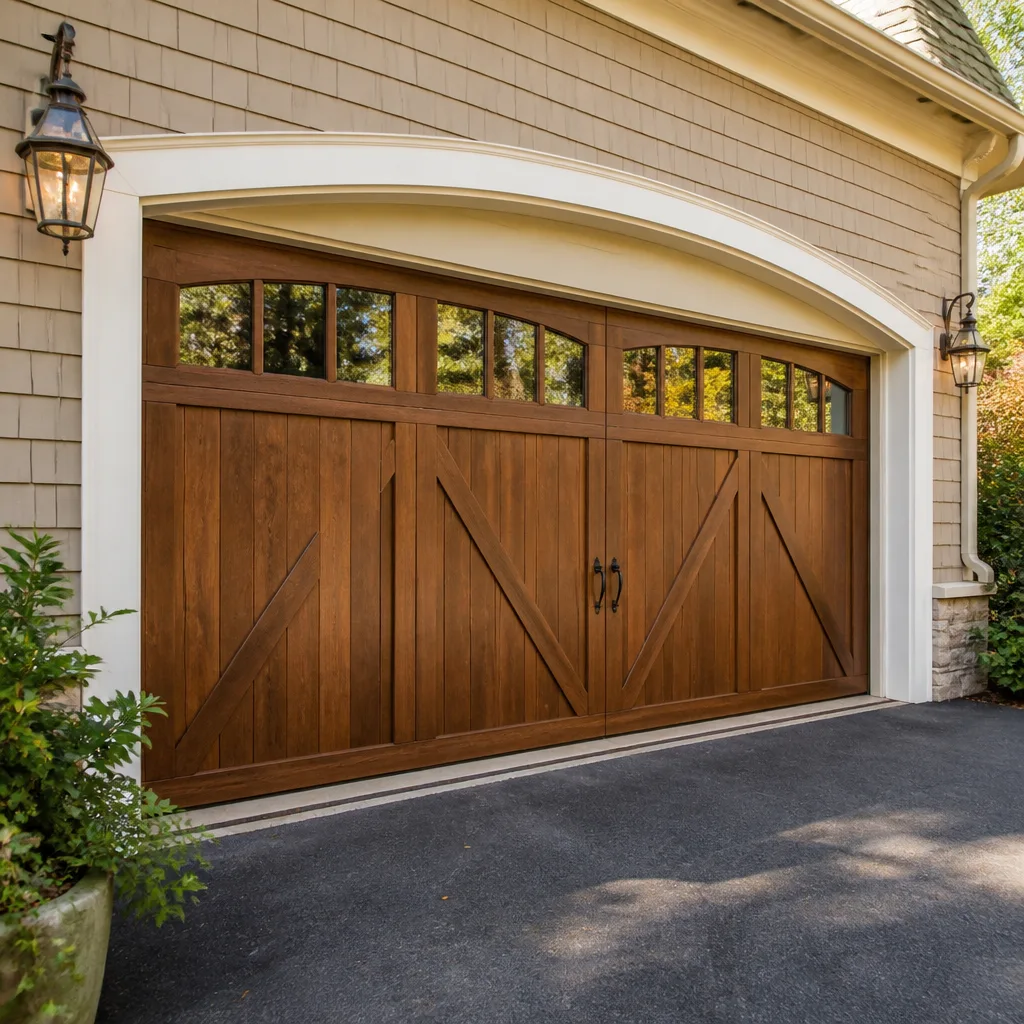 Carriage house
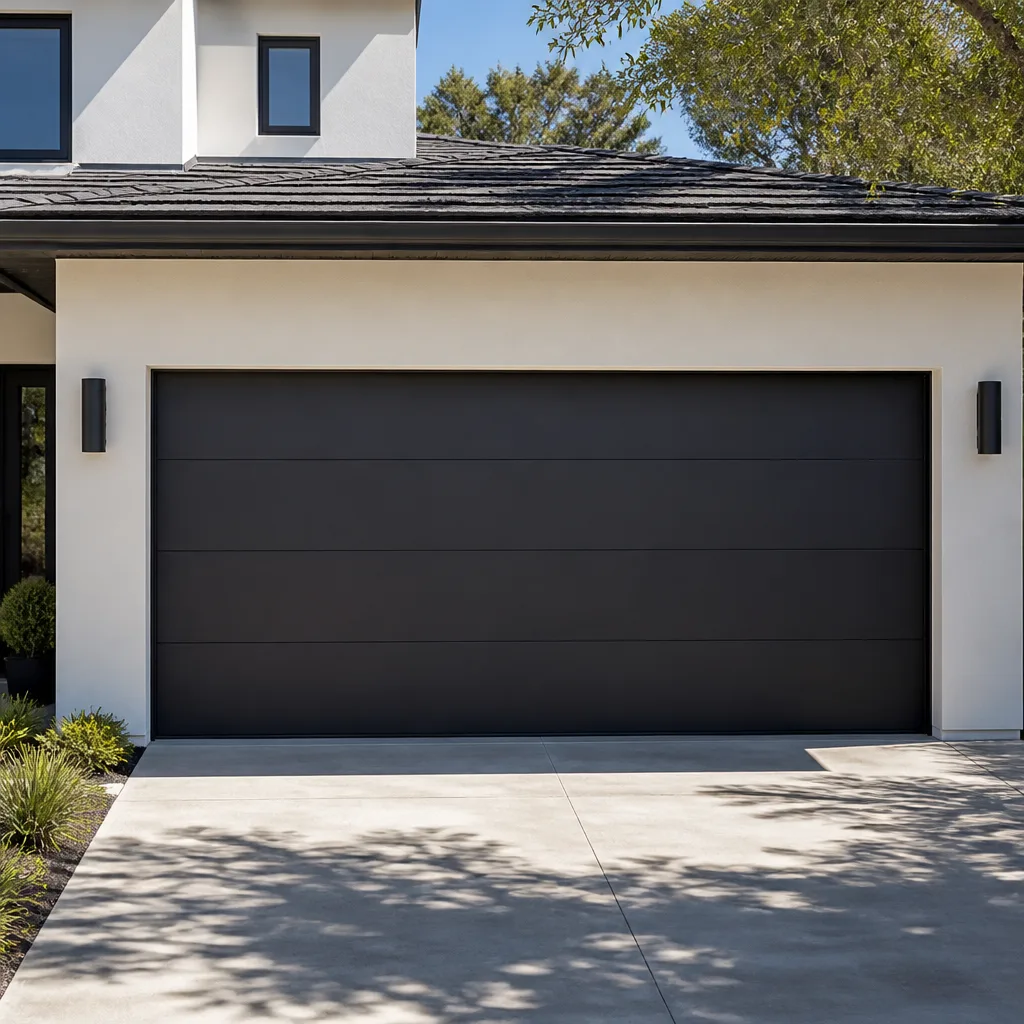 Modern flush
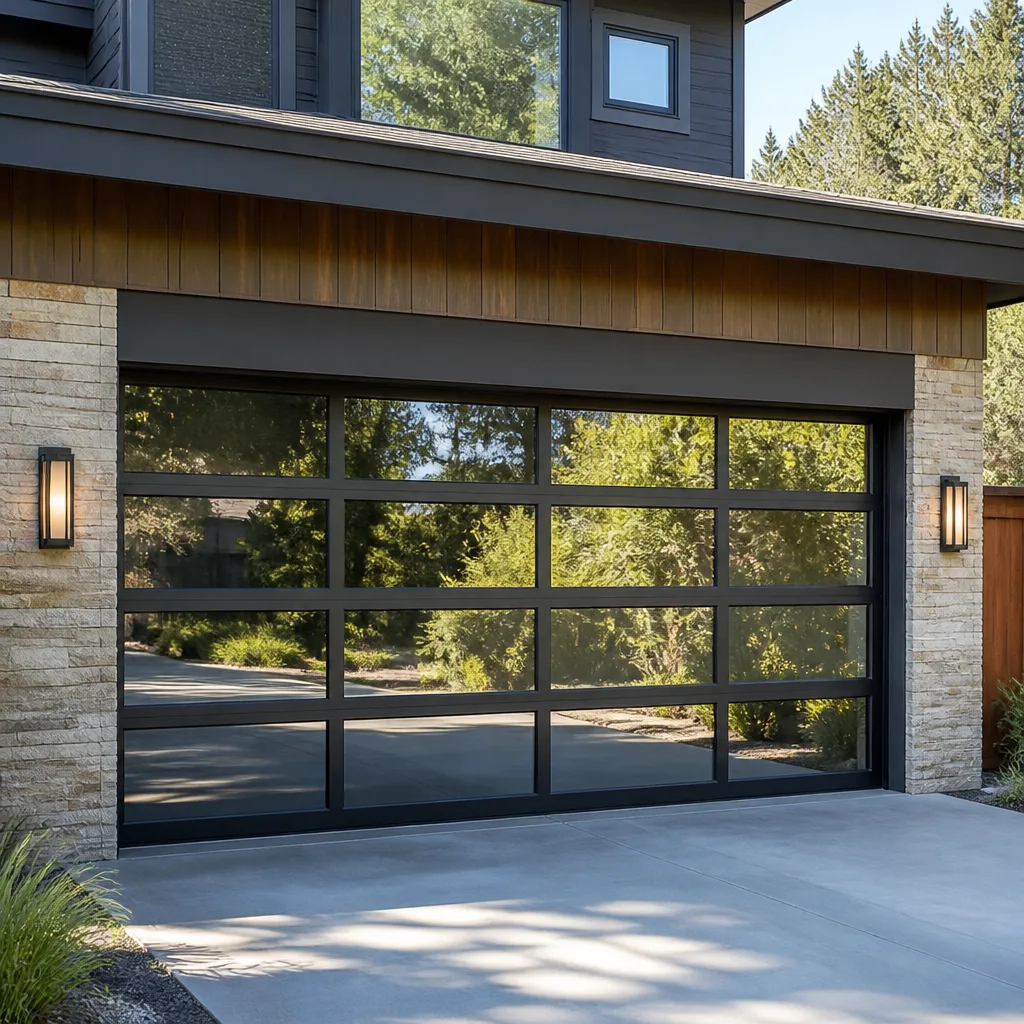 Full-view glass
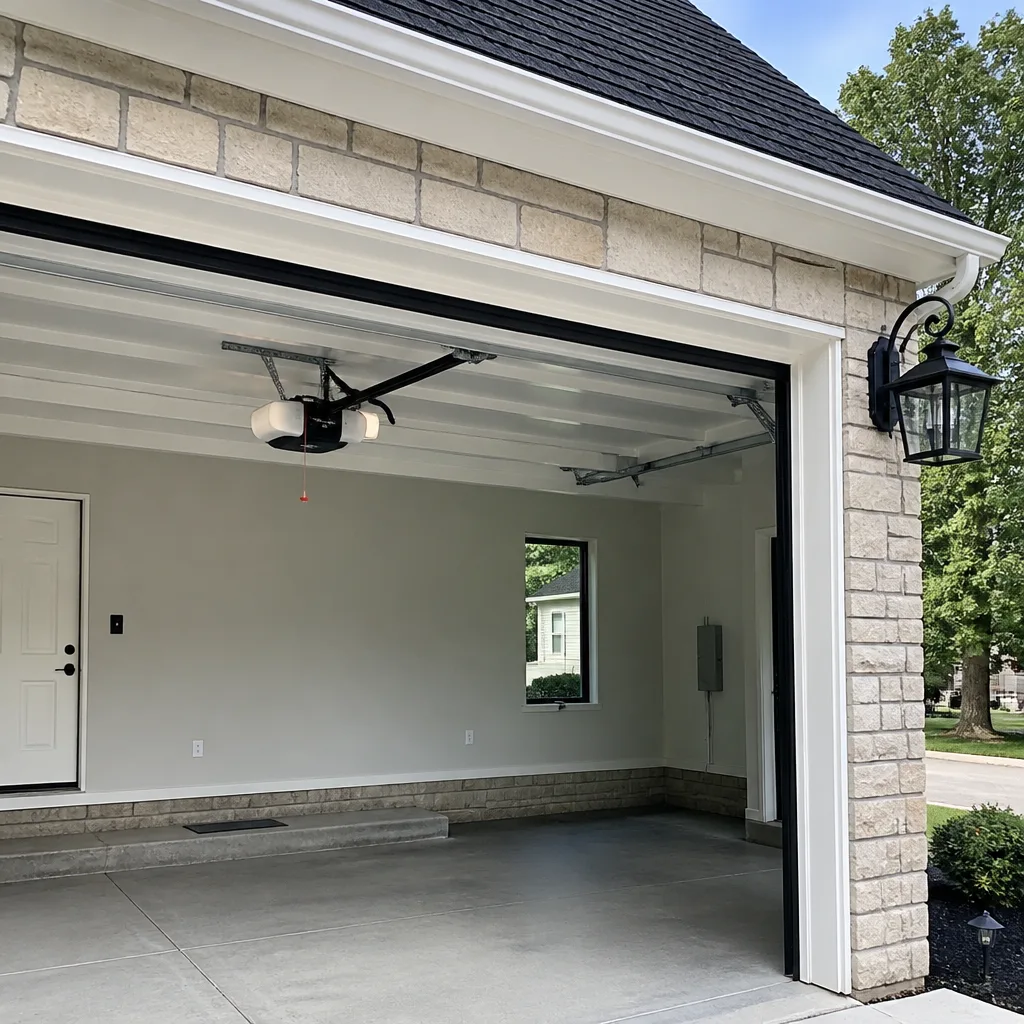 LiftMaster openers
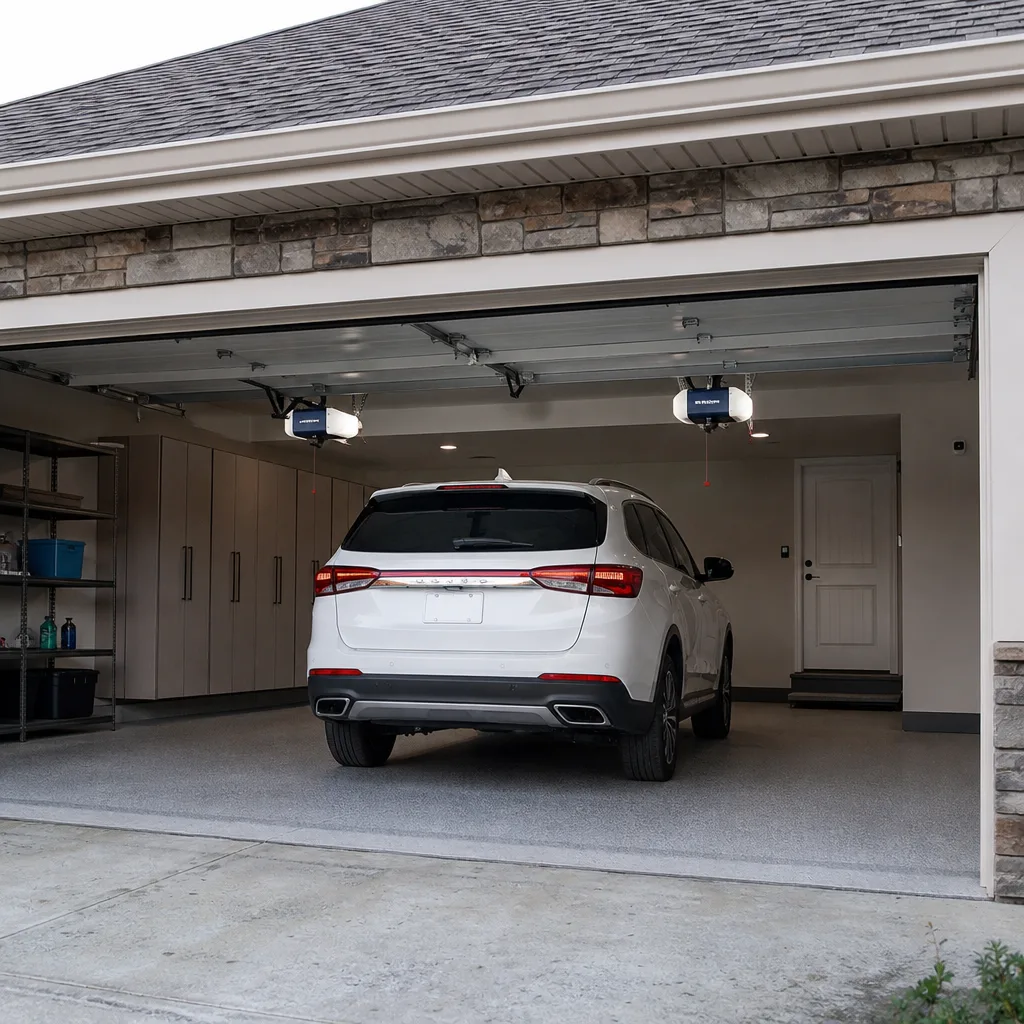 Chamberlain openers
Full 25-point door and opener safety check with every visit - springs, cables, rollers, tracks, and your LiftMaster or Chamberlain opener included
You get a price before we start. It does not change when the truck arrives.
Get your free estimateGarage Door Permits, Codes & Inspections in FL: What You Need to Know
A garage door is the largest moving object in a Florida home, and in Broward County it’s also a structural component that must stand up to hurricane-force winds. Most homeowners don’t learn this until a title search or a 4-point insurance inspection throws a red flag during closing. A door that was replaced without a permit can stall a sale for weeks, cost thousands to remediate, or get red-tagged entirely. This guide walks through which projects trigger a permit in Fort Lauderdale, what the inspection actually checks, and how to avoid the most expensive mistakes-see our Garage Door Warning Signs: A Fort Lauderdale Homeowner’s Reference Guide for related red flags to watch for.
Styles & brands we work with
Quick Answer
A garage door replacement in Fort Lauderdale and throughout Broward County requires a building permit when the size, material, or structural header changes. A like-for-like repair (springs, cables, rollers, panels) generally does not. Fort Lauderdale sits inside Florida’s High-Velocity Hurricane Zone, which means any new door must carry a Miami-Dade County NOA product approval, and the permit inspection verifies the product approval number, the anchorage, and the hardware torque.
Table of Contents
- When a Garage Door Permit Is Required in Broward County
- Repair vs. Replacement: Where Broward County Draws the Line
- What the High-Velocity Hurricane Zone Means for Fort Lauderdale Doors
- Miami-Dade NOA Product Approval: The Number on the Label
- What a Broward County Garage Door Inspection Actually Checks
- The Real Cost of an Unpermitted Door Replacement
- Who Pulls the Permit: Contractor or Homeowner?
- Common Mistakes to Avoid
- When to Call a Professional
- Frequently Asked Questions
- The Bottom Line
When a Garage Door Permit Is Required in Broward County
Broward County requires a building permit for a garage door replacement any time the opening size changes, the door material changes, or the structural header above the opening is modified. That’s the short version. The longer version is that most full-door installations in Fort Lauderdale fall under permit jurisdiction because the door is classified as part of the building’s exterior envelope, not as a cosmetic fixture. A permit is also required when you’re converting a single-car opening to a double, adding a new opening where none existed, or installing a door rated for a different wind zone.
Here’s what triggers a permit in Fort Lauderdale and surrounding Broward County cities:
- Full door replacement where the new door carries a different product approval than the old one
- Any change in door size, even a few inches in width or height
- Material change: wood to steel, non-impact to impact-rated, or upgrading to a heavier insulated panel
- Header or structural modification: anything involving the framing above the opening
- New construction: any new garage opening on an existing or new structure
- Repair work that alters the opening structure, not just the door components
What does not require a permit: replacing the torsion springs, cables, rollers, hinges, track, brackets, or opener. Panel replacement on the existing door frame is typically treated as repair work so long as the panels match the original product approval. In our experience, most Fort Lauderdale homeowners only need a permit when the entire door assembly is swapped out or the opening itself changes.
What the Permit Application Requires
For a door replacement permit in Fort Lauderdale, the application package generally includes:
- The manufacturer’s product approval documentation showing the door’s wind-load rating
- The Miami-Dade NOA number or Florida Product Approval number stamped on the door
- Plans showing the door opening dimensions and the anchorage method
- A licensed contractor’s name and license number on file
- Payment of the permit fee, which in Broward County typically runs $80 to $250 for a residential door replacement depending on the municipality
The good news is that a reputable Fort Lauderdale garage door company-see our How to Hire a Garage Door Contractor in Fort Lauderdale: A Step-by-Step Guide for tips on finding one-handles this documentation as a routine part of installation. The paperwork is standardized, and for a straightforward like-size replacement, the permit usually clears in under a week.
Repair vs. Replacement: Where Broward County Draws the Line
The single most confusing question Fort Lauderdale homeowners ask is: “Is this a repair or a replacement?” It matters because a repair means no permit, no inspection, no waiting. A replacement means the opposite. Broward County draws the line based on whether the structural assembly changes, not whether you’re spending a lot of money. You can spend $400 on a torsion spring repair and walk away permit-free. Or you can spend $900 on a new door slab that technically requires a permit because the product approval changed.
Here’s the practical breakdown in Fort Lauderdale:
- Spring repair: No permit. The spring is a wear component like a brake pad, not a structural element.
- Cable replacement: No permit. Same logic.
- Roller and hinge replacement: No permit. Routine maintenance.
- Opener replacement: No permit if it’s a like-for-like swap on an existing mount. No structural work involved.
- Panel replacement: Generally no permit if panels match the existing door’s approval. A different panel style or material can trigger permit review.
- Full door replacement: Permit required in almost all cases.
- Opening resize: Permit required, always.
If you’re uncertain, a good starting point is the Bramwell Garage Doors Fort Lauderdale home page, which explains our full range of services and can help you sort repair work from replacement work in minutes. But the short version is this: if the door is coming off the track permanently and a new slab is going in, assume a permit is in your future until someone confirms otherwise.
What the High-Velocity Hurricane Zone Means for Fort Lauderdale Doors
Fort Lauderdale sits inside the High-Velocity Hurricane Zone, or HVHZ, which is a specific designation in the Florida Building Code covering Miami-Dade and Broward counties. The HVHZ exists because this stretch of coastline absorbs some of the most severe wind-load conditions in the United States. A garage door in Fort Lauderdale is expected to withstand wind pressures that would flatten a door designed for, say, Orlando or Tampa, where the code standard is lower. The HVHZ designation also changes what counts as an approved product.
In practical terms, the HVHZ means:
- Every new garage door installed in Fort Lauderdale must be tested to HVHZ wind-load standards
- The door must carry a Miami-Dade County Notice of Acceptance, or NOA, with a visible approval number on the door itself
- The anchorage system, the brackets that fasten the door to the concrete or framing, must meet a higher torque specification than non-HVHZ zones
- Impact-rated doors are not always required, but non-impact doors must still meet structural wind-load minimums
- An inspection is required after installation to verify the door matches its approval documentation
This is not a bureaucratic technicality. Homes in Fort Lauderdale neighborhoods like Victoria Park, Rio Vista, Coral Ridge, and Sailboat Bend all sit under the same HVHZ rules. A door that meets code in Jacksonville may not be legal in Broward County. We see this regularly when homeowners move from out of state and assume a national brand’s standard door will pass inspection. It often doesn’t.
Quick Answer: If you install a garage door in Fort Lauderdale, it must carry a Miami-Dade NOA product approval, be fastened to HVHZ anchorage standards, and pass a county inspection that verifies both. The permit is not optional for a replacement, and skipping it creates a title defect that can kill a future sale.
Miami-Dade NOA Product Approval: The Number on the Label
Every legitimate garage door sold for use in Fort Lauderdale carries a Notice of Acceptance number issued by Miami-Dade County. This number is not a marketing slogan. It means the door was physically tested, in a laboratory, at wind pressures corresponding to HVHZ conditions, and that the test results are on file with the county. When a Broward County inspector visits your home after an installation, one of the first things they do is locate the approval label and record the NOA number.
What the NOA number verifies:
- The door’s design pressure rating in pounds per square foot
- The maximum allowable door size for that approval
- The specific anchorage method and hardware that must be used
- The manufacturer’s identification and the tested product line
- Whether the door is rated as impact-resistant or non-impact
Major manufacturers including Clopay, Amarr, and Wayne Dalton all produce doors with Miami-Dade NOA approvals, but not every door in their catalogs carries one. A door that is perfectly legal in Georgia may not be approved for Fort Lauderdale. This is one of the reasons Garage Door Installation in Fort Lauderdale starts with door selection, not with a tape measure. If the door doesn’t carry an NOA, nothing else about the job matters.
How to Check a Door’s Approval
- Look for a label or sticker on the inside of the door panel near the bottom section. It will list the manufacturer, the door model, the wind-load rating, and the NOA number.
- Search the Miami-Dade County product control database by manufacturer or NOA number to confirm the approval is active and not expired or revoked.
- Verify the door size matches the approval’s maximum dimensions. An NOA rated for a 16-foot door does not cover an 18-foot door.
- Confirm the anchorage hardware on your installation matches the hardware named in the approval. A mismatch is an inspection failure.
In our experience, the most common inspection failure in Fort Lauderdale is a size mismatch: a homeowner or a cut-rate installer puts in a door a few inches wider or taller than the NOA allows, and the inspector has no choice but to fail it. The fix usually means replacing the door entirely.
What a Broward County Garage Door Inspection Actually Checks
After the door is installed and the permit is in place, a Broward County building inspector will visit the property. Many homeowners assume this is a five-minute visual pass. It’s not. The inspector is verifying specific code compliance points, and a failed inspection means the final permit approval is withheld until corrections are made. Here’s what they’re actually looking at:
1. The Product Approval Number
The inspector will physically locate the NOA label on the installed door and verify the number against the permit application. If the label is missing, painted over, or the number doesn’t match the paperwork, the inspection fails. This is why we tell Fort Lauderdale homeowners never to remove the approval label after installation. It’s not a sticker; it’s the door’s legal documentation.
2. The Anchorage to the Structural Frame
The brackets that connect the door’s track system to the jamb and header must be fastened with the exact size, type, and spacing of anchor specified in the NOA. In the HVHZ, this commonly means specific lag bolt diameters into the header, specific expansion anchors into the concrete, or a through-bolt system. A visual estimate of the connection is not enough; the inspector may verify torque on the fasteners.
3. Hardware Torque
Yes, inspectors check torque. The bolts that secure the track brackets and the spring anchor plate must be tightened to the manufacturer’s specification. Under-torqued bolts will work loose under repeated wind loading. Over-torqued bolts can strip the wood or crack the concrete. This is one of the quiet reasons some installations pass on the first visit and others don’t.
4. Wind-Load Compliance of the Overall Assembly
The inspector is verifying that the door, the track, the springs, the brackets, and the fasteners work together as a tested assembly. You can’t pair an NOA-approved door panel with non-approved track or springs and expect to pass. The assembly matters as much as the panel.
A failed inspection in Fort Lauderdale isn’t catastrophic, but it does mean a re-inspection fee, a delay in closing out the permit, and possibly a correction order. Doing it right the first time costs less than doing it twice. If you’re in the middle of a Garage Door Repair in Fort Lauderdale project and you’re not sure whether the work requires a follow-up inspection, this is exactly the kind of question our team answers over the phone every day.
The Real Cost of an Unpermitted Door Replacement
An unpermitted garage door replacement in Fort Lauderdale doesn’t disappear into the past. It surfaces later, usually at the worst possible moment. The two most common discovery points are a title search during a home sale and a 4-point insurance inspection conducted when the homeowner applies for or renews a policy. In both cases, a door that doesn’t match county permit records becomes a problem with a dollar sign attached.
What an unpermitted door can trigger:
- Mandatory removal order: If the door doesn’t meet HVHZ wind-load standards, the county can order it removed and replaced. This is not a fine; it’s a directive that must be completed.
- Insurance non-renewal: Many Florida insurers will refuse to renew a policy on a home where a 4-point inspection reveals an unpermitted structural component. The homeowner is then forced into the surplus-lines market, often at double or triple the premium.
- Closing delay or price reduction: A title defect from an unpermitted improvement typically means the seller either pays for retroactive permitting or reduces the sale price. In a Fort Lauderdale market where days on market matter, this can mean a five-figure concession.
- Retroactive permit fees: Broward County allows retroactive permitting in some cases, but the fees are higher than the original permit, and the process requires an inspection that may still fail if the door doesn’t meet code.
The cost of doing it right the first time, including the permit and inspection, is typically $150 to $400 on top of the door and installation. The cost of retroactive permitting and potential removal can run into the thousands. We’ve watched homeowners at closing discover that a “great deal” on a door installation three years earlier has become a $3,000 to $6,000 problem they’re now paying to fix in a hurry. A permitted, inspected installation from the start avoids every part of that scenario.
Who Pulls the Permit: Contractor or Homeowner?
In Broward County, either the homeowner or the contractor can technically pull the permit, but there’s an important nuance. When a contractor says “we’ll handle the permit,” the correct follow-up question is: “What’s the permit number, and whose name is on it?” A permit pulled in the homeowner’s name makes the homeowner the responsible party for code compliance. A permit pulled in the contractor’s name makes the contractor responsible, which is exactly what you want.
- Contractor-pulled permit: The contractor’s license is tied to the permit. If the work fails inspection, the contractor is on the hook to fix it.
- Homeowner-pulled permit: The homeowner acts as the owner-builder. If the work fails, the homeowner is the responsible party and must hire someone to correct the work at their own expense.
- “We’ll handle it” with no permit number: This often means no permit was actually pulled, and the homeowner discovers the gap later.
A legitimate Fort Lauderdale garage door contractor pulls the permit under their own license, schedules the inspection, and provides the homeowner with the permit number and the passing inspection record at completion. The paperwork should close out. If the contractor is vague about any of this, that’s a signal to slow down.
Bramwell Garage Doors Fort Lauderdale operates under the Kingswell standard, which includes handling permit documentation correctly on every replacement we install. We put the written price in front of the homeowner before any work starts, and we don’t leave a job until the paperwork matches the work. That’s not a marketing line; it’s the way we’ve run jobs since 2001.
Common Mistakes to Avoid
- Assuming all repairs and replacements are the same. In Broward County, a spring repair needs no permit; a full door replacement almost always does. Skipping the permit on a replacement creates a future title defect.
- Buying a door from an out-of-state supplier without checking for a Miami-Dade NOA. If the door doesn’t carry an active Miami-Dade approval, it cannot legally be installed in Fort Lauderdale, no matter how good the price.
- Letting a contractor pull the permit in your name. You become the responsible party for code compliance. Insist the contractor pulls it under their license.
- Removing or painting over the NOA label. The inspector needs that label to verify the door’s approval. Removing it guarantees an inspection problem.
- Changing the door size “just slightly” without a permit. Even a few inches of resize triggers permit review, and an inspector can order a removal if the installed size exceeds the approval’s maximum.
- Pairing an approved panel with non-approved track or hardware. The assembly, not just the panel, must be tested as a system. Mixing components voids the approval.
- Waiting until closing to discover the unpermitted door. By then you’re negotiating under pressure, and the fix costs more than the original installation.
When to Call a Professional
If you’re replacing a garage door in Fort Lauderdale, you need a licensed contractor who understands Broward County permitting and HVHZ requirements, not a handyman with a pickup truck. For ongoing upkeep, see our Garage Door Repair Maintenance Checklist for Fort Lauderdale Homeowners. The scenarios where professional help is essential include any full door replacement, any change in door size or material, any installation where the NOA number can’t be located on the door, and any situation where a 4-point inspection has already flagged the garage door. A failed inspection or an unpermitted door is exactly the situation where a knowledgeable contractor saves you money in the long run.
Bramwell Garage Doors Fort Lauderdale offers free estimates in Fort Lauderdale, and since each location is independently owned and operated under the Kingswell standard since 2001, you’ll get a written price before any work starts, a real arrival window, and a written guarantee on the work. Call (754) 701-2440.
Frequently Asked Questions
Yes, in almost all cases. A full garage door replacement in Fort Lauderdale requires a Broward County building permit because the door is classified as a structural component subject to HVHZ wind-load requirements. Repairs to existing components, like springs or cables, do not require a permit.
A Miami-Dade NOA is a Notice of Acceptance certifying that a garage door has been tested and approved for the High-Velocity Hurricane Zone, which includes all of Broward County. Without an active NOA, a door cannot legally be installed in Fort Lauderdale, and an inspector will fail the installation.
An unpermitted garage door replacement typically surfaces during a title search or a 4-point insurance inspection, and the consequences include mandatory removal, insurance non-renewal, or a price reduction at closing. Retroactive permitting is possible in Broward County, but it’s more expensive and the door must still pass inspection.
A repair done to an existing, permitted door generally won’t fail a home inspection so long as the repair doesn’t change the structural assembly. Replacing springs, cables, rollers, or the opener is routine maintenance in Fort Lauderdale and does not trigger a permit or an inspection requirement.
For a straightforward like-size door replacement in Fort Lauderdale, the permit typically clears in under a week, and the inspection is scheduled shortly after installation. More complex projects involving size changes or structural header work take longer because additional plan review is required.
Either party can technically pull the permit, but the contract matters. A permit pulled in the contractor’s name ties their license to the work and makes them responsible for corrections if the inspection fails. A homeowner-pulled permit makes the homeowner the responsible party. If a contractor says they’ll handle the permit, ask for the permit number after it’s pulled. For an exact quote on your project, call (754) 701-2440.
A residential garage door replacement permit in Broward County typically runs between $80 and $250 depending on the municipality and the scope of the work. That’s on top of the door and installation cost, and it’s a bargain compared to the thousands an unpermitted door can cost you later.
The Bottom Line
Garage door permits in Broward County are not optional paperwork. They’re the legal record that your door meets HVHZ wind-load standards, and they protect you from a mandatory removal order or a failed closing years down the road. A repair is a repair; a replacement is a structural project. Know which one you’re doing, make sure the door carries a Miami-Dade NOA, insist the contractor pulls the permit under their own license, and keep the approval label on the door. In Fort Lauderdale, doing it right costs a few hundred dollars and a week of patience. Doing it wrong can cost you a home sale. For a free estimate on a permitted, inspected garage door replacement, call (754) 701-2440 and we’ll walk you through the whole process from door selection to final inspection.
Written by Marcus Ellery, Owner at Bramwell Garage Doors Fort Lauderdale, serving Fort Lauderdale since 2001. Browse more guides & resources from our team.
See the difference
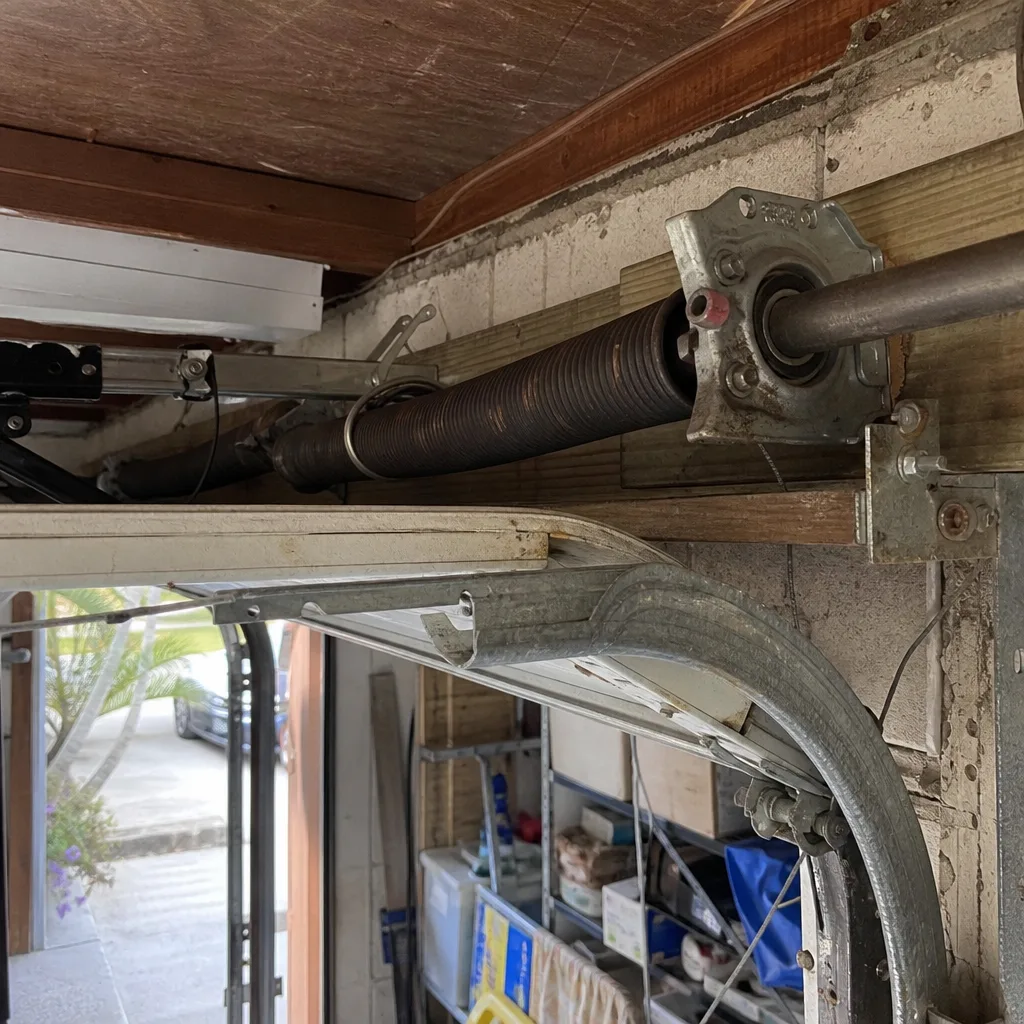 Before
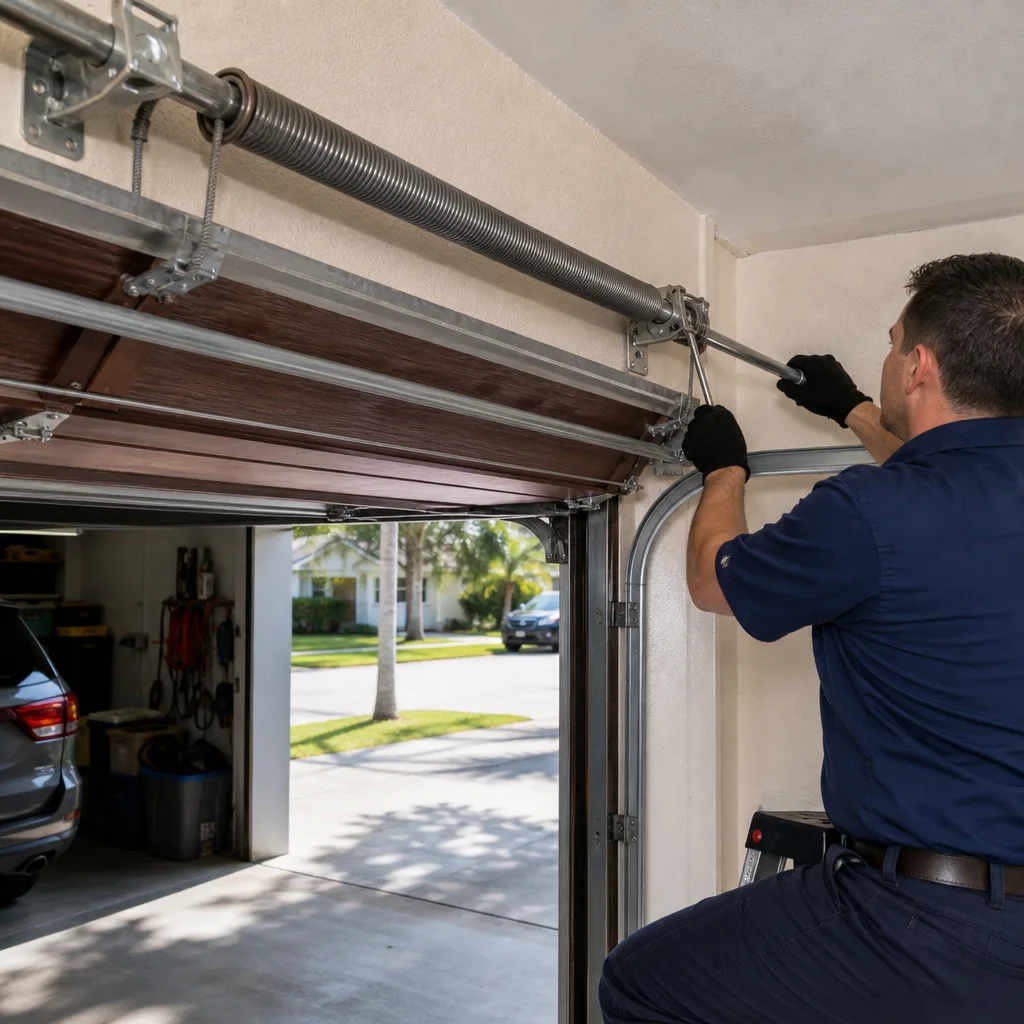 After
After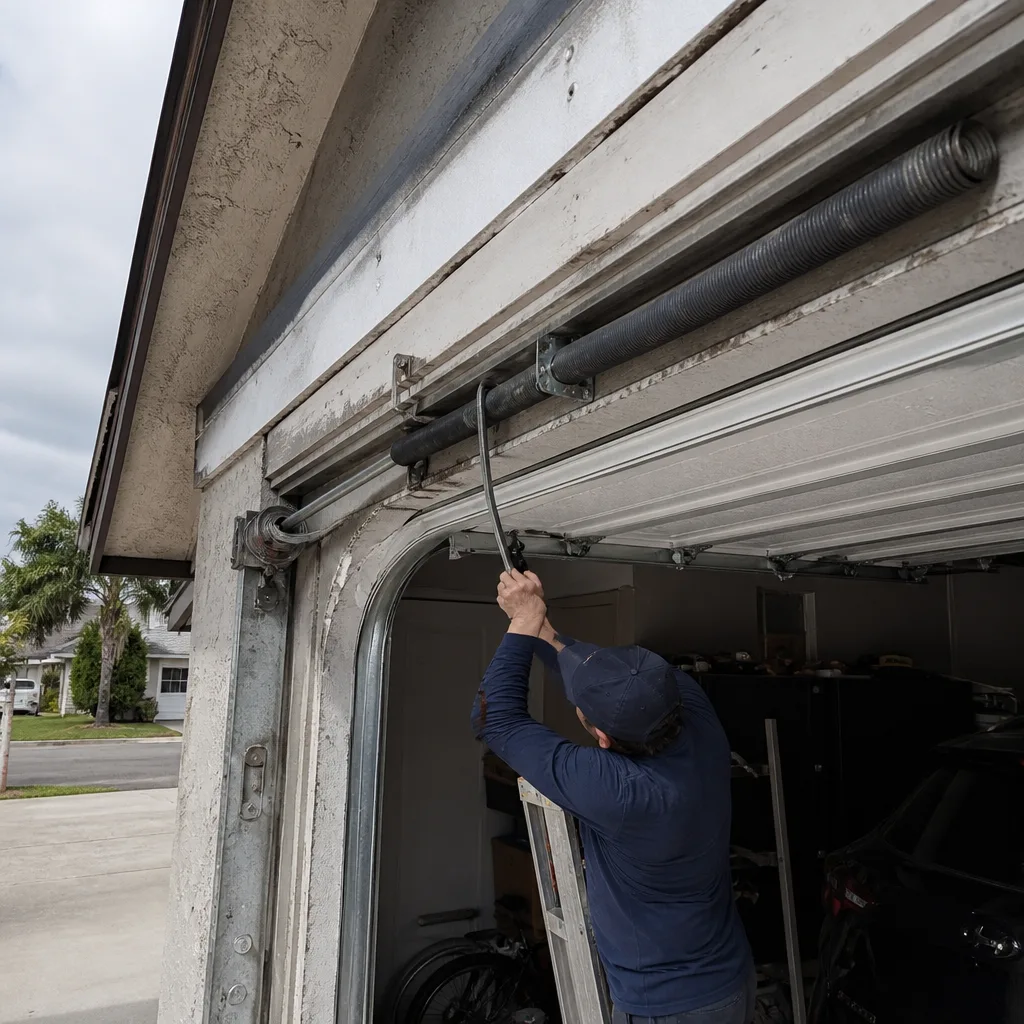 Before
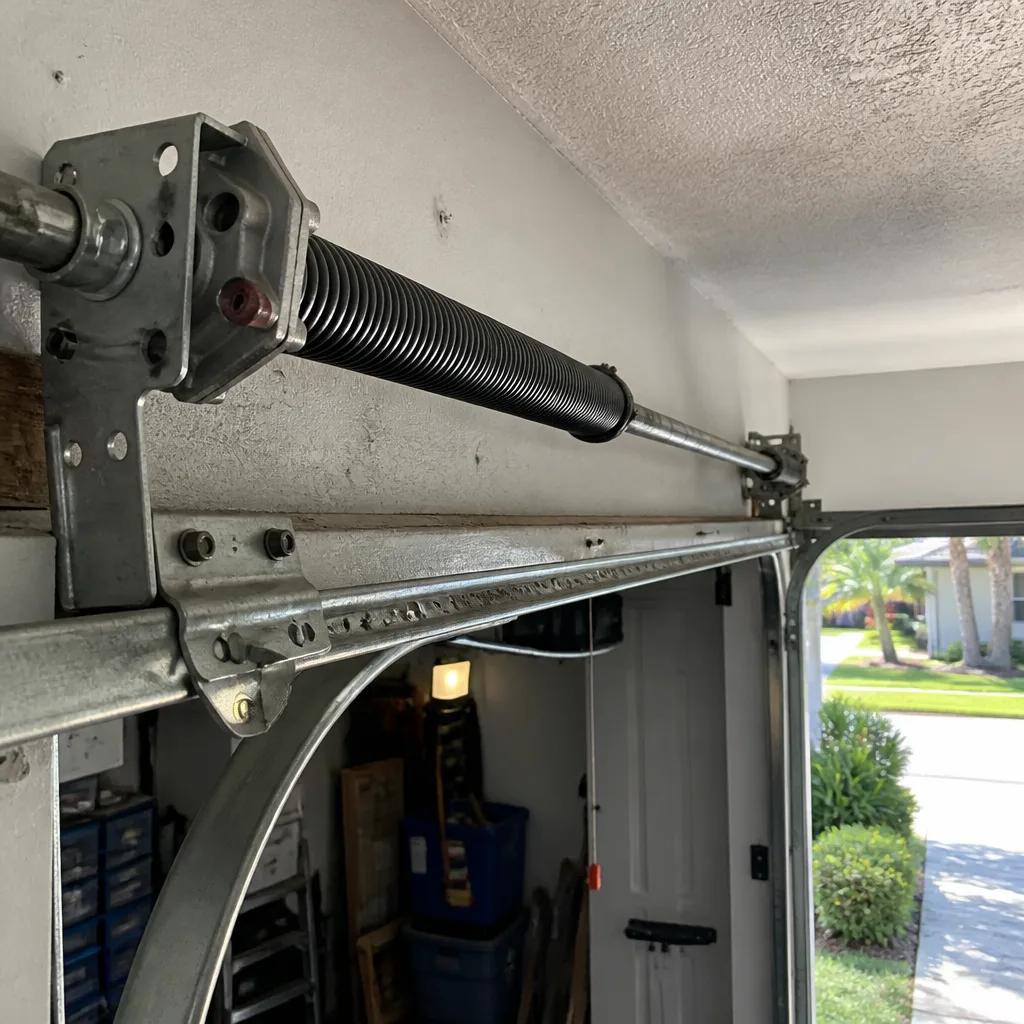 After
After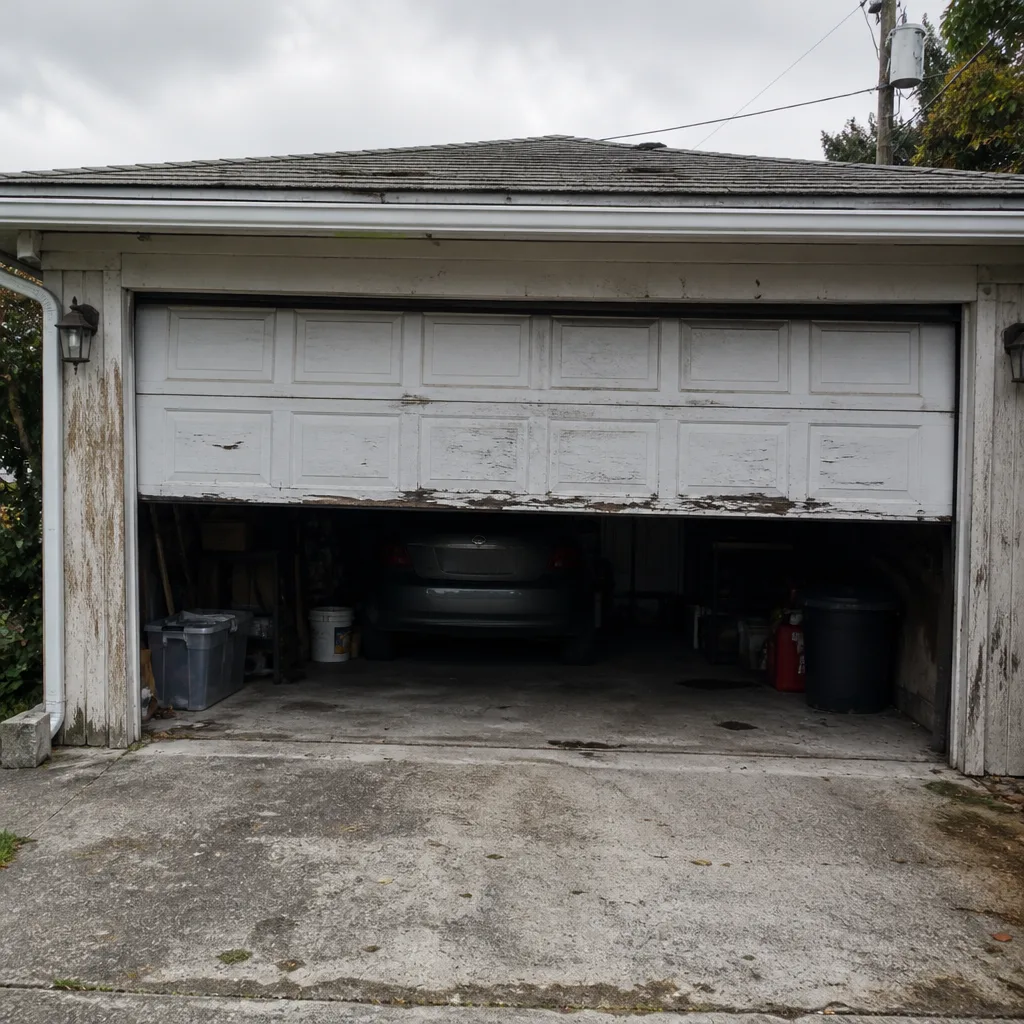 Before
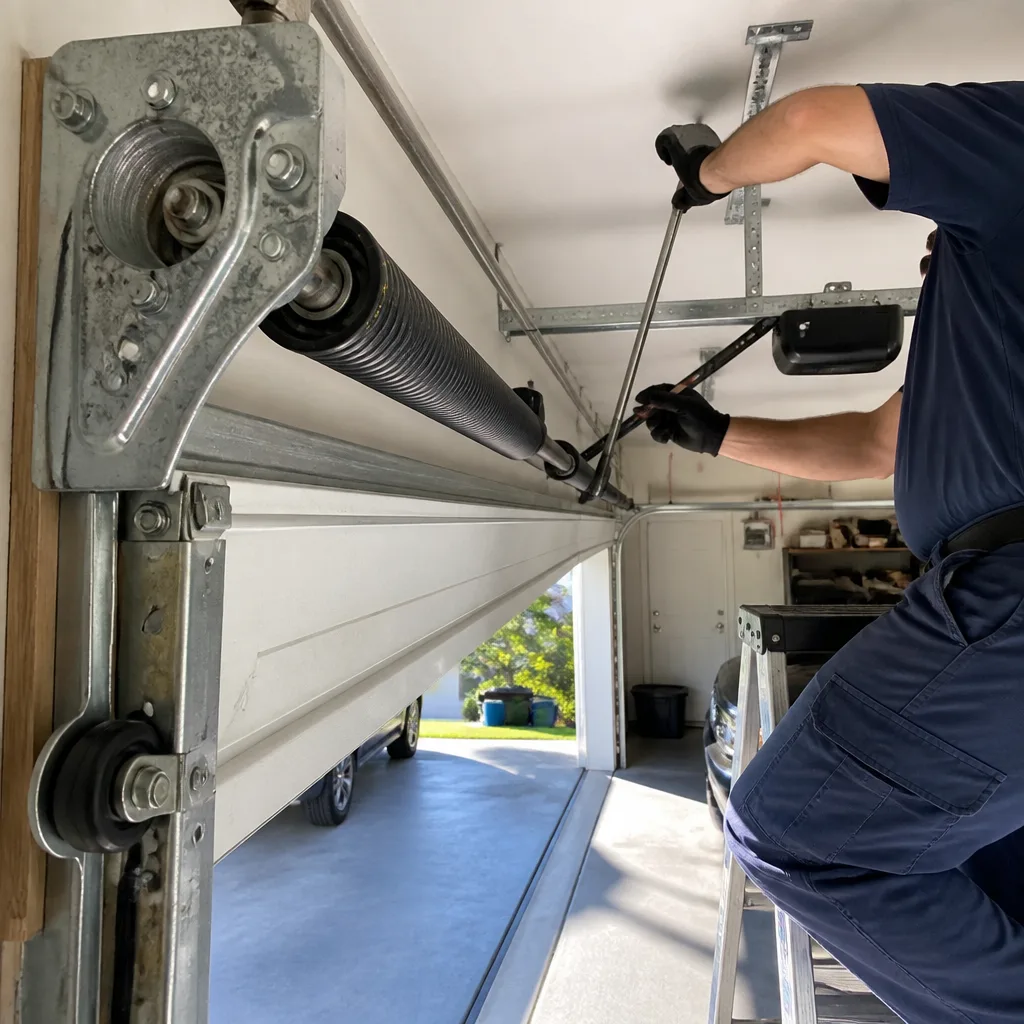 After
After