
Last updated October 16, 2026
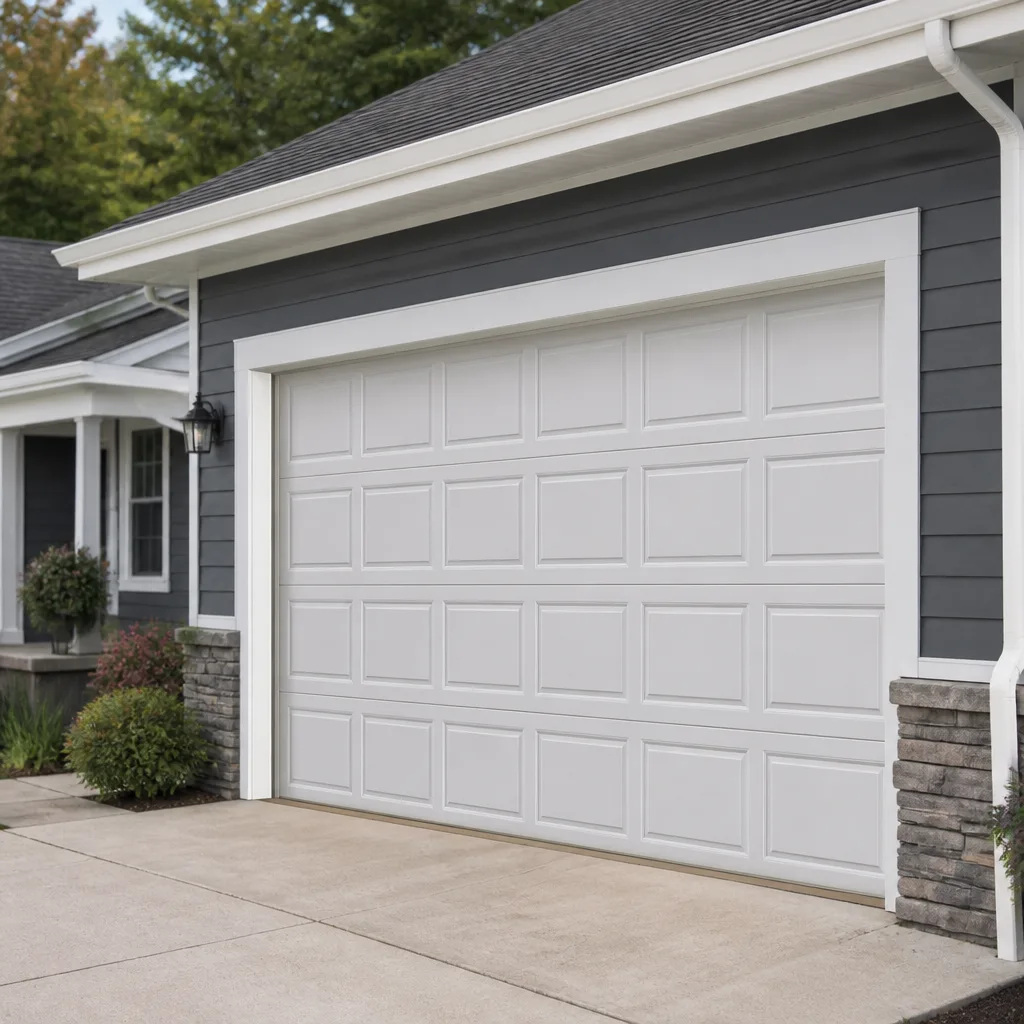 Raised-panel steel
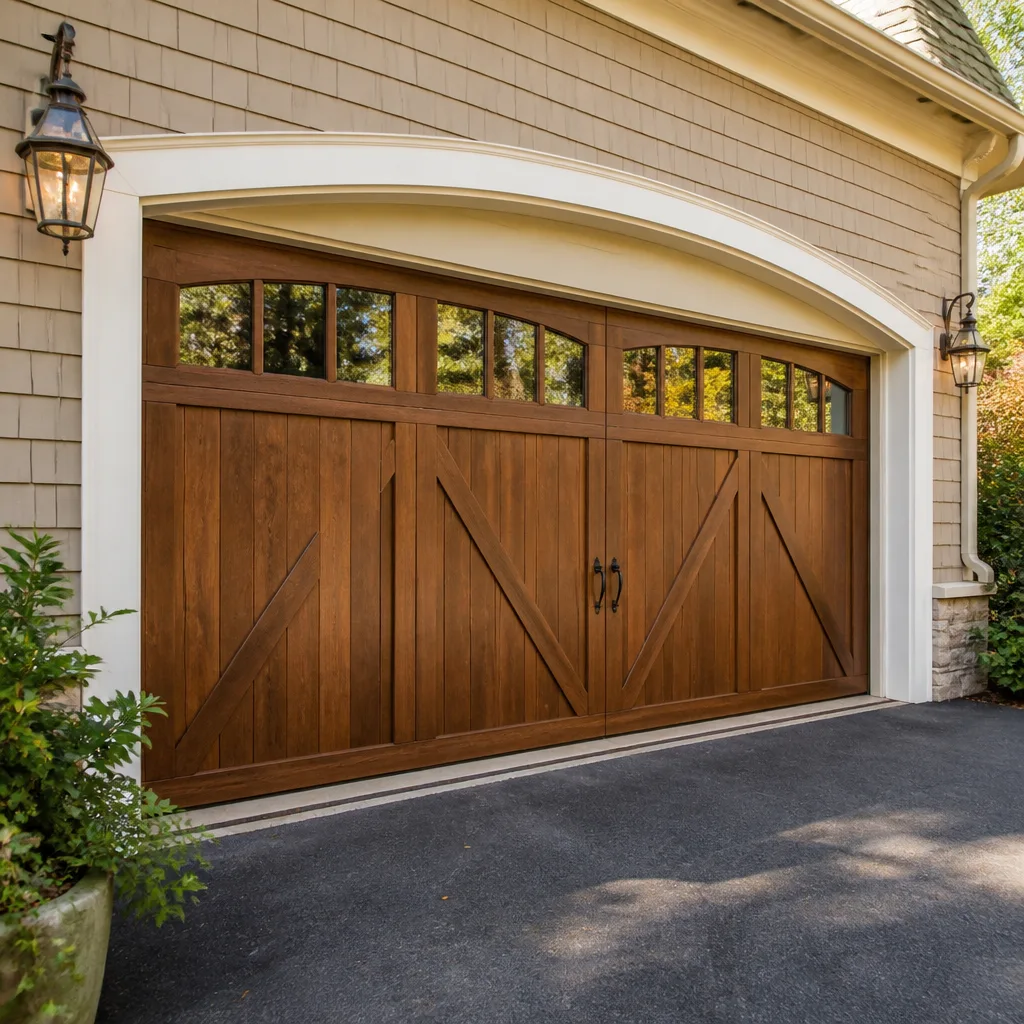 Carriage house
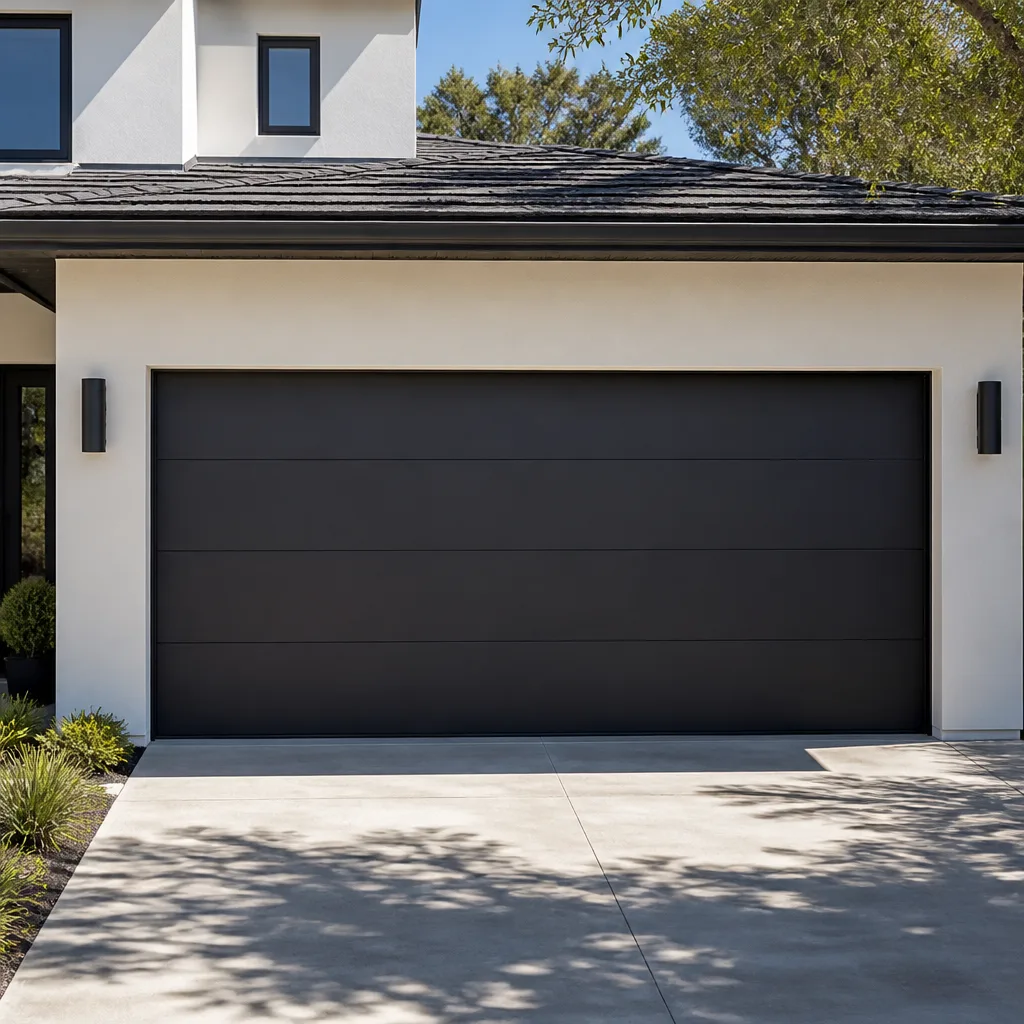 Modern flush
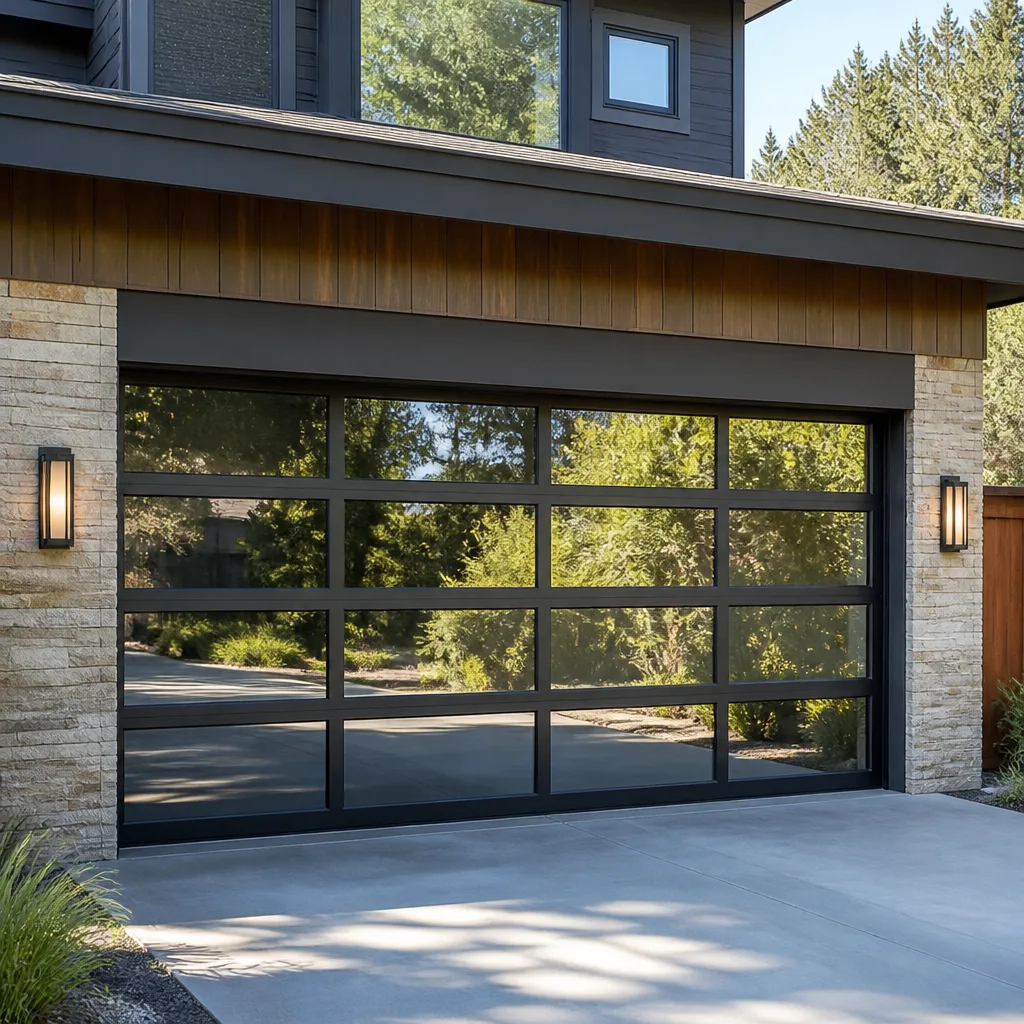 Full-view glass
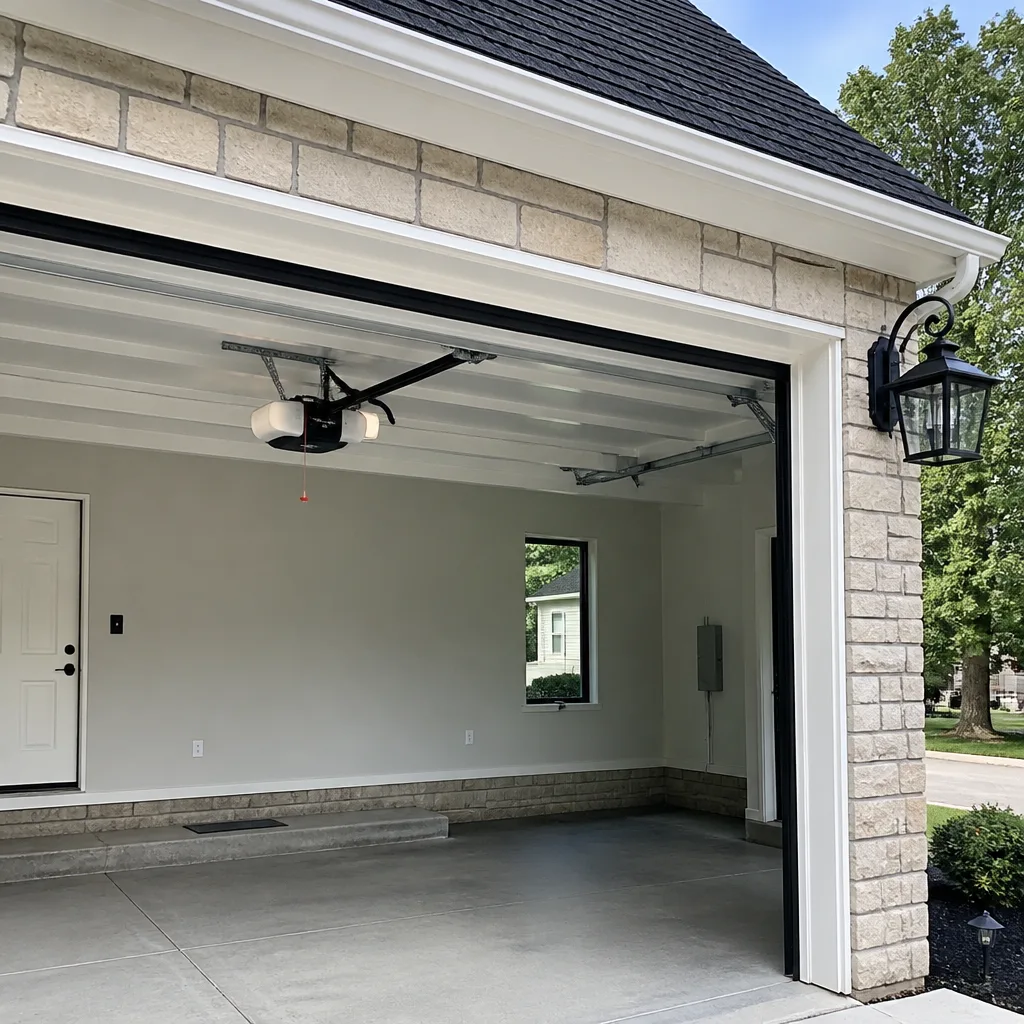 LiftMaster openers
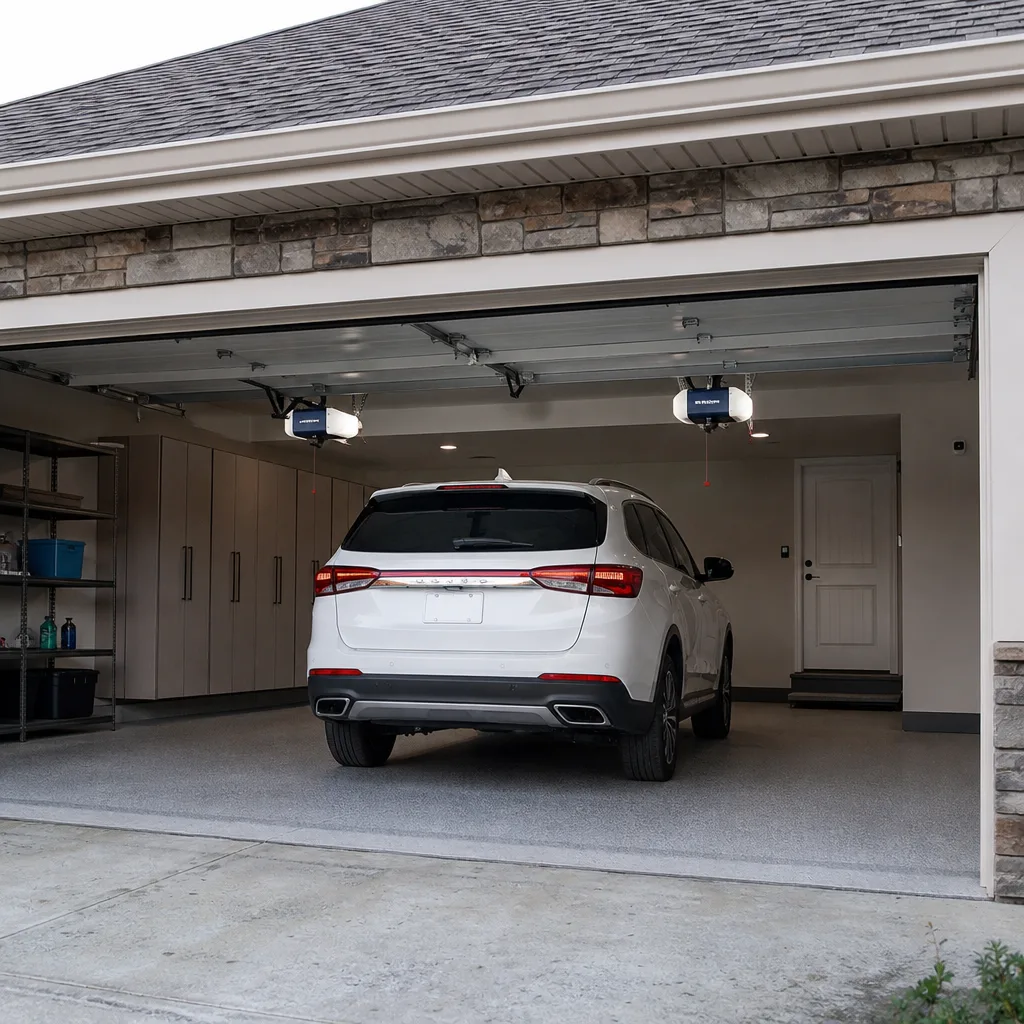 Chamberlain openers
Full 25-point door and opener safety check with every visit - springs, cables, rollers, tracks, and your LiftMaster or Chamberlain opener included
You get a price before we start. It does not change when the truck arrives.
Get your free estimateThe Complete Guide to Garage Door in Fort Lauderdale
A standard steel garage door installed in Fort Lauderdale without a corrosion-resistant finish can show visible rust along the bottom panel within 18 months. It’s not poor manufacturing. It’s salt air, humidity, and the particular chemistry of living a few miles from the Atlantic. This guide explains how to buy, maintain, and repair a garage door in Fort Lauderdale so it survives the local climate, meets Florida Building Code, and doesn’t become a quarterly headache. For more guides & resources, see our blog. We’ll cover the materials that actually last, the wind-load ratings that matter, what your HOA can and cannot require, and how to vet a contractor without getting burned.
Styles & brands we work with
Quick Answer
A garage door in Fort Lauderdale needs four things to perform well: corrosion-resistant materials (galvanized hardware, aluminum or treated steel panels), wind-load compliance per Florida Building Code for Broward County, fast-moving repair service when a torsion spring fails, and a contractor who puts the price and guarantee in writing before work begins. Expect spring replacement to run $150 to $280, a new opener to run $350 to $600 installed, and a full door replacement to fall between $1,400 and $4,500 depending on size, material, and wind rating. Most of what fails on a Fort Lauderdale garage door is preventable with the right material choices up front.
Table of Contents
- How Salt Air Attacks Garage Doors in Fort Lauderdale (And What Stops It)
- Florida Building Code Wind Loads: What Broward County Requires
- Fort Lauderdale HOA Rules and Garage Door Style Constraints
- Sectional, Roll-Up, or Tilt-Up: Which Door Fits Older Fort Lauderdale Neighborhoods
- Torsion Spring Failure: The Most Common Repair in Fort Lauderdale
- Garage Door Opener Problems, Heat, and Humidity
- What a New Garage Door Costs in Fort Lauderdale in 2026
- How to Vet a Garage Door Contractor Without Getting Burned
- Common Mistakes to Avoid
- When to Call a Professional
- Frequently Asked Questions
- The Bottom Line
How Salt Air Attacks Garage Doors in Fort Lauderdale (And What Stops It)
The average garage door has roughly 12 to 18 steel panels, two track systems, 10 to 16 rollers, two torsion springs or one extension spring set, and dozens of bracket, hinge, and fastener points. In Fort Lauderdale, every one of those steel components is exposed to airborne salt, which accelerates oxidation far faster than inland locations. We regularly see doors in Victoria Park and Rio Vista that are eight years old and already rusting at the bottom panel seam, while the same door in Plantation or Sunrise shows no visible wear.
Salt air works by depositing fine chloride particles on metal surfaces. When humidity rises, which it does daily in Fort Lauderdale, those particles create a conductive film that speeds up the electrochemical reaction we call rust. The components most vulnerable are:
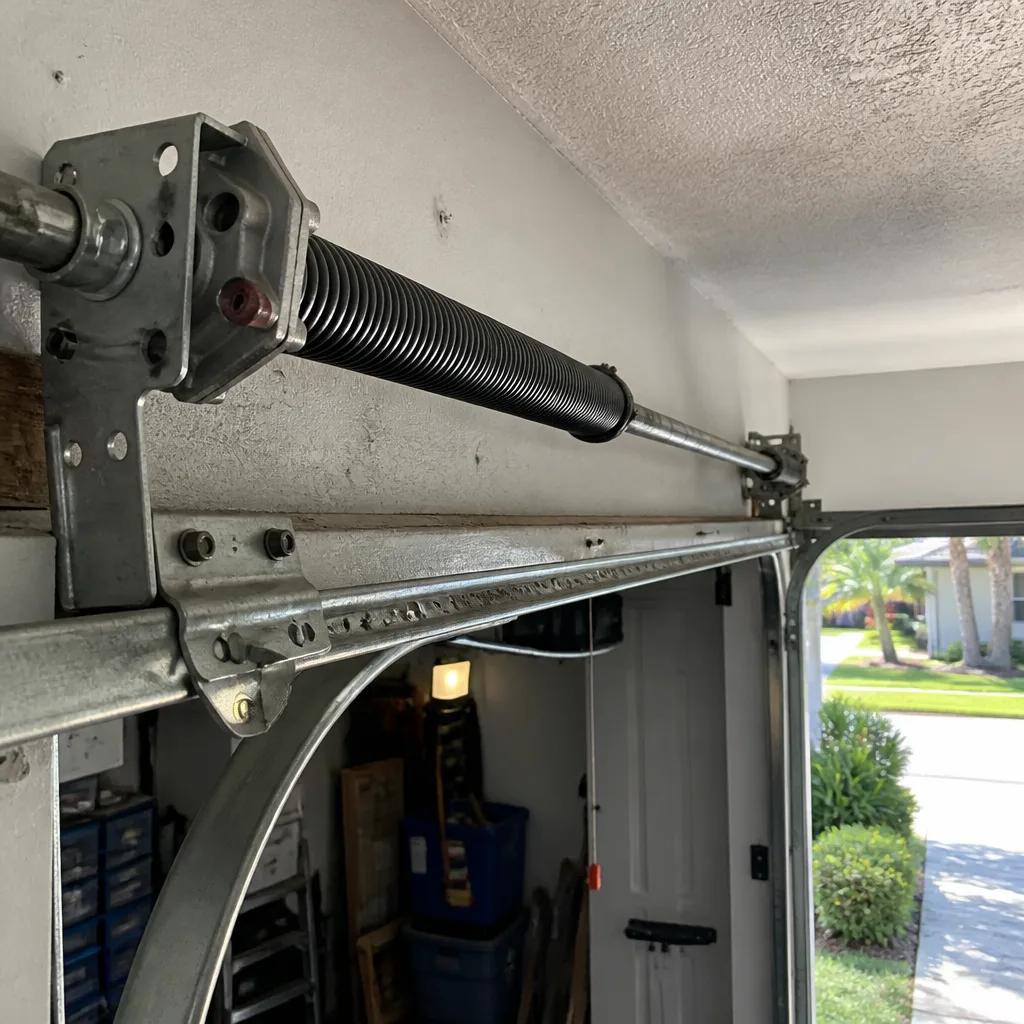
- Torsion springs: The heavy coil mounted above the door opening handles most of the lifting weight. A rusted spring develops micro-fractures along surface pitting. When it breaks, it releases stored tension abruptly. That’s why spring failure is not just inconvenient, it’s a safety event if the spring is not professionally contained.
- Bottom brackets and cables: The steel cables that run along each side of the door anchor into bottom brackets that sit low, closer to damp concrete and any saltwater splash. Galvanized cables last longer, but the bracket connection point is the first place we see corrosion-related failure.
- Roller stems: Nylon rollers with steel stems work well, but the stem can rust inside the wheel, causing jerky operation. The fix is to use sealed-bearing nylon rollers with corrosion-resistant stems.
- Fasteners and hinge plates: Zinc-plated screws and hinges eventually lose their plating. Once the plating goes, the steel underneath fails quickly in coastal air.
The material choices that actually slow this down in Fort Lauderdale are specific. Galvanized hardware with a heavy zinc coating (G90 or better) resists corrosion longer than standard zinc-plated hardware. Aluminum skins on panels, or steel panels backed with a corrosion inhibitor, hold up better than raw steel. Marine-grade coatings on torsion springs add a layer of protection that standard oil-tempered springs don’t have. We also recommend applying an approved lubricant to the spring, hinges, and roller stems every 90 days, not just once a year. Fort Lauderdale’s humidity and salt accelerate the breakdown of the lubricant layer itself.
If you’re within a half mile of the Intracoastal or the ocean, these choices move from recommended to essential. The same door that lasts 15 years in Davie can rust enough to need replacement within 6 years on Las Olas Isles.
Florida Building Code Wind Loads: What Broward County Requires
Florida Building Code sets wind-load requirements for garage doors based on the structure’s location within a wind-borne debris region. Broward County sits inside the High Velocity Hurricane Zone for the coastal portions, which means a garage door must withstand specific positive and negative wind pressures and resist impact from flying debris during a hurricane. This is not a suggestion. If you replace a garage door in Fort Lauderdale with a non-compliant model, the inspection will fail, and your homeowner’s insurance may not cover wind-related damage.
When you shop for a replacement door in Fort Lauderdale, you’ll see the term wind-load rating expressed in pounds per square foot (psf), such as +30/-35 psf. The plus number is the pressure pushing in. The minus number is the pressure pulling out, which matters more than most people realize because a garage door is a large flat surface with no interior wall support. If the door fails outward during a hurricane, the roof can lose its pressure balance, and the entire structure becomes vulnerable.
A Miami-Dade NOA label, which stands for Notice of Acceptance, is the highest widely recognized certification for hurricane-rated building products in Florida. A NOA label indicates the manufacturer submitted engineering data proving the door, the hardware, and the installation method passed specific impact and pressure cycling tests. If you see a NOA label on a garage door in Fort Lauderdale, it means the door is approved for use in Miami-Dade County, whose standards Broward’s coastal communities typically mirror or exceed.
Here’s the practical translation. For a standard two-car garage in Fort Lauderdale:
- Check the required wind-load designation for your specific address. Your local building department or a licensed door contractor can tell you the exact psf rating required.
- Choose a door that meets or exceeds that rating. Wind-rated doors almost always come with a NOA or Florida Product Approval number.
- Confirm the installer will provide a documented installation that matches the manufacturer’s tested assembly. The NOA only applies when the door is installed exactly as tested. If the installer skips a fastener or uses the wrong gauge track, the certification is void.
- Keep the NOA documentation and the installation record in a safe place. Your insurance company may ask for it after a storm.
We’ve replaced doors in Coral Ridge and Sailboat Bend where homeowners bought a door online because it was “hurricane rated” but the installation wasn’t done to the manufacturer’s spec. The wind rating is only as good as the installation. A door that is rated +35/-40 psf but installed with undersized fasteners will still fail under load.
For more detail on how this works for the install itself, see our guide on Garage Door Installation in Fort Lauderdale.
Fort Lauderdale HOA Rules and Garage Door Style Constraints
Many Fort Lauderdale neighborhoods operate under HOA covenants that dictate garage door style, color, and sometimes material. The communities along the New River, in the middle- and upper-middle neighborhoods, and in newer planned developments all have different rule sets. Before you spend a dollar on a replacement, read the covenant. We’ve seen homeowners buy a custom wood-look door in Tarpon River only to learn the HOA required a painted steel door in a specific beige or white tone.
HOA rules in Fort Lauderdale typically fall into three categories:
- Color palette: Many HOAs publish an approved color list for garage doors, usually earth tones, whites, or specific charcoal shades. Some require written approval before installation with a sample or photo. If you own a home in a covenant-restricted community, that approval process can add a week or two to your timeline. Do not order a door until you have approval in writing.
- Style and window restrictions: Some associations prohibit windows in garage doors, or restrict window placement to the top panel only. Others require carriage-house or contemporary styling that matches the community aesthetic. In neighborhoods like Rio Vista, the Architectural Review Board often takes door style seriously.
- Material and wind compliance: A few Fort Lauderdale HOAs specify minimum wind-load ratings or material types. This overlaps with building code, but the HOA requirement may be stricter than code. In those cases, the HOA rules control.
If you’re not sure whether your community has an HOA or architectural covenant, check your closing documents or contact the property management office. If you’re replacing through a contractor, tell them about any HOA constraints at the very first conversation. A good contractor will help you document compliance so the committee has what it needs to approve quickly. Ours is the Bramwell Garage Doors Fort Lauderdale home approach: we ask about HOA rules on the first call, before we recommend a single door.
Sectional, Roll-Up, or Tilt-Up: Which Door Fits Older Fort Lauderdale Neighborhoods
Fort Lauderdale’s older neighborhoods, including Victoria Park, Poinsettia Heights, and Croissant Park, have narrow driveways, shallow garages, and sometimes awkward approach angles. Those physical constraints narrow your practical door options, and understanding the three main designs will save you from a purchase that fights your driveway geometry.
A sectional door is the one most people picture: four to six horizontal panels that roll up on curved tracks and rest parallel to the ceiling when open. Sectional doors dominate residential installations in Fort Lauderdale because they work well with standard ceiling heights, offer a wide variety of insulation and window options, and can be engineered to meet high wind loads. If you have a standard two-car garage in a single-family home, a sectional door is almost always the most practical choice.
A roll-up door (also called a coiling door) wraps around a drum above the opening. In Fort Lauderdale, you see these more often on commercial structures or newer modern homes. Roll-up doors require less ceiling clearance and have no horizontal track, which is useful for tight garages, but residential models are generally louder, offer fewer style options, and provide less thermal insulation. For a standard Fort Lauderdale home, roll-up is rarely the first choice unless ceiling space is unusually low or the homeowner specifically wants an industrial aesthetic.
A one-piece tilt-up swings out and up on a hinge mechanism. Some older Fort Lauderdale homes from the 1950s and 1960s still have tilt-up doors, especially in the mid-century sections of Wilton Manors adjacent to Fort Lauderdale. Tilt-up doors are simple and cost less new, but they protrude outward when opening, which requires substantial driveway clearance. On the narrow driveways common in older Fort Lauderdale neighborhoods, that protrusion creates a real problem. We generally recommend replacing a tilt-up with a sectional when the homeowner can afford it, because the geometry works better and modern sectional doors offer dramatically better weather sealing.
For most Fort Lauderdale single-family homes, the decision usually comes down to sectional steel or sectional aluminum. Aluminum resists the salt air better, but steel with a good paint system and thermal breaks performs well for less money. We cover the cost breakdown in the replacement section below.
Torsion Spring Failure: The Most Common Repair in Fort Lauderdale
Torsion springs do the heavy lifting on almost every modern garage door in Fort Lauderdale. These are the tightly wound coils mounted on a steel shaft directly above the door opening. When you press the opener button, the spring unwinds and takes most of the door’s weight, so a small motor can move a 150 to 250 pound door with modest effort.
Torsion springs have a cycle life, meaning they’re rated for a certain number of open-and-close cycles before they fail. A standard 10,000-cycle spring used four times a day lasts about six to seven years. A high-cycle 25,000-cycle spring lasts fifteen or more. In Fort Lauderdale, the salt air can cut into that lifespan because surface corrosion creates pitting, and pitting creates weak points that eventually crack.
When a torsion spring breaks, the sound is usually described as a loud bang like a firecracker or a car backfiring. The door will often refuse to open, or worse, it may open a few inches and stop because the opener motor can’t lift the full weight on its own. If you keep pressing the opener button after the spring breaks, you can burn out the motor or bend the track, which turns a $150 to $280 spring repair into a much larger job.
Here’s the Fort Lauderdale-specific reality: most torsion spring replacements run $150 to $280, parts and labor included, and the job usually takes under an hour. We recommend replacing both springs at the same time even if only one is broken, because both springs were installed together and have the same cycle count. If one just failed, the other is usually months behind it. Replacing both costs less than two separate service calls.
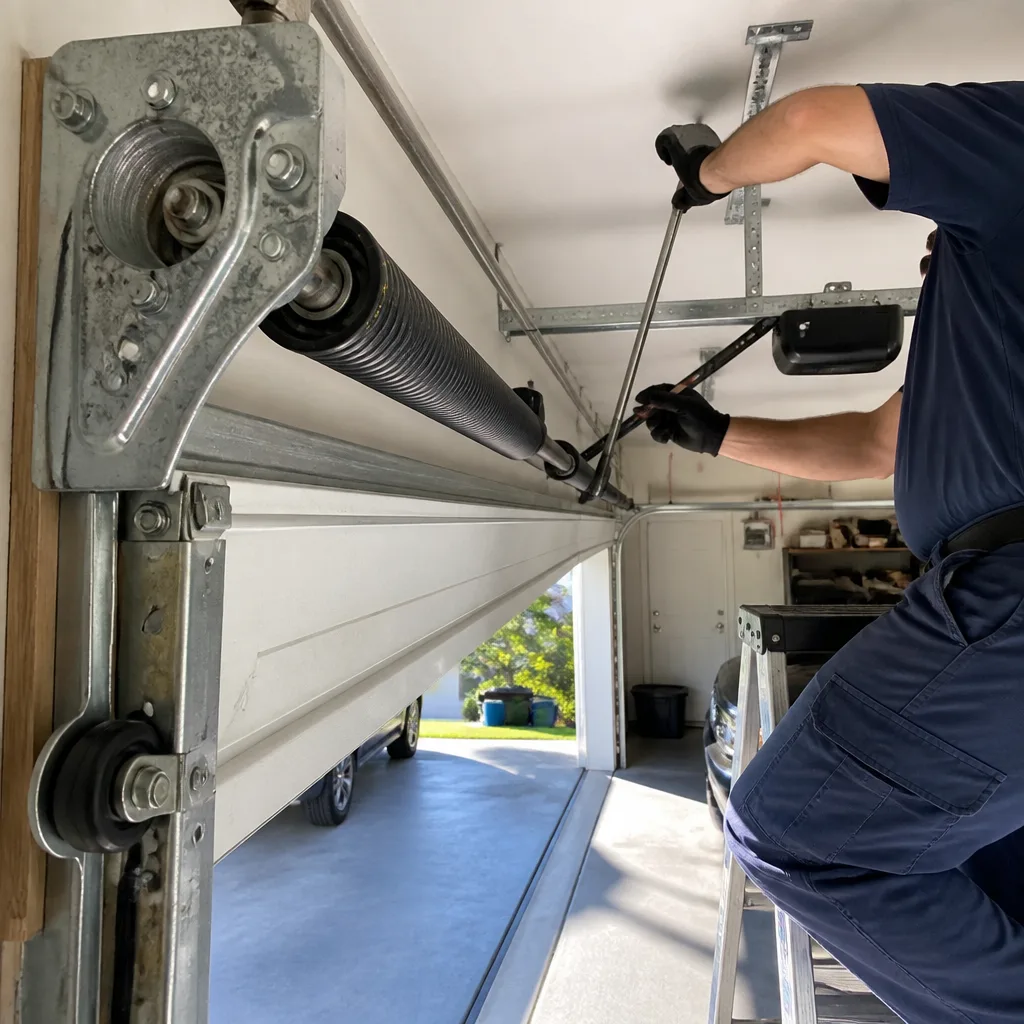
Do not attempt to replace a torsion spring yourself. The torsion spring holds enormous stored mechanical energy, and a spring that releases incorrectly can throw the winding bar with enough force to cause serious injury. The winding cone, the set screws, and the torsion bar all require specific tools and technique. We handle every torsion spring replacement with trained technicians who follow the same safe sequence every time: release tension, swap both springs, set the correct number of turns for the door weight, test the balance by hand, then run the opener through a full cycle. If you suspect a spring is broken, stop using the door and call a professional.
For more on this specific repair and what it costs in the local market, see our full page on Garage Door Spring Repair in Fort Lauderdale.
Garage Door Opener Problems, Heat, and Humidity
Fort Lauderdale’s heat and humidity create two recurring issue patterns for garage door openers that don’t show up as often in drier, cooler climates. The first is condensation on the circuit board. The logic board inside the opener motor housing is sensitive to moisture, and a garage that sits at high humidity for months invites corrosion on the board’s solder points. The symptoms are intermittent operation, failure to respond to the wall button or remote, or an opener that runs but reverses for no reason.
The second issue is the limit switch, the setting that tells the opener how far down the door should travel before it stops. In Fort Lauderdale, heat causes the metal track to expand slightly, and the door’s weight shifts as the tracks settle. The limit setting may need adjustment seasonally, even if it was set correctly at installation. A door that slams hard against the concrete floor or reverses immediately after closing usually points to a limit switch or force-setting issue.
For openers, we work with LiftMaster, Chamberlain, and Genie most often in Fort Lauderdale. All three make reliable units. The choice usually comes down to the features you want: battery backup for power outages during hurricane season, Wi-Fi connectivity for remote control, and the ability to run a heavier or insulated door. A basic chain-drive opener installed runs about $350 to $500. A belt-drive opener, which is quieter by far and worth it if you have a bedroom above or beside the garage, runs $450 to $600 installed.
- Chain drive: strong and reliable, but the loudest. Best for detached garages or when budget is the first consideration.
- Belt drive: uses a reinforced rubber belt instead of a chain. Quietest option, ideal for attached garages.
- Direct drive: the motor itself moves along a rail. Very quiet, fewer moving parts, slightly more expensive.
One note on hurricane season: if your opener has battery backup, test it before the season starts. A unit that runs fine on wall power but fails on battery is little help during a post-storm outage when you need to operate the door manually.
If your opener is 15 years or older and showing repeated issues, replacement is usually more cost-effective than repair. The cost of repeated circuit-board or motor replacements approaches the price of a new unit within a year or two.
What a New Garage Door Costs in Fort Lauderdale in 2026
A new garage door in Fort Lauderdale runs $1,400 to $4,500 installed for most single-family homes. The spread is wide because material, size, wind rating, insulation, windows, and hardware all move the number. Here’s what you can expect by tier, based on what we quote in the Fort Lauderdale market.
- Basic single steel door, no insulation, standard wind rating: $1,400 to $2,000 installed. White or almond, no windows, galvanized hardware. Works for a detached garage or a budget-sensitive replacement.
- Mid-range insulated steel door, better wind rating, some window options: $2,200 to $3,000 installed. Polystyrene or polyurethane insulation, which matters if the garage is attached or you use it as a workspace. This is the sweet spot for most Fort Lauderdale homes.
- Hurricane-rated aluminum or steel door with a NOA label, high-cycle springs, decorative hardware: $3,200 to $4,500 installed. Required in some coastal sections, and the smart choice within a half mile of salt water.
The price should include removal of the old door, new tracks, new torsion springs rated for the door weight, installation to manufacturer spec, and a written wind-load certification where applicable. Ask whether the quoted price covers everything before you schedule. Anything vague, like “installation extra” or “springs not included,” should raise a red flag.
Here’s the honest number our customers in Fort Lauderdale get: the price we quote at the door is the price on the invoice. The Kingswell Guarantee means a written price before any work starts, on every job. If the technician finds a hidden condition mid-job, we stop and bring it to you with a clear change-order discussion. The number is never a moving target.
How to Vet a Garage Door Contractor Without Getting Burned
Most Fort Lauderdale homeowners don’t know how to evaluate a garage door contractor until something has already gone wrong. Here’s the rubric we’d give a close friend:
- Does a live person answer the phone? When your spring breaks on a Sunday afternoon in July, you call. If you get a voicemail tree, call the next company. Bramwell answers live, 24 hours a day, 7 days a week, including nights, weekends, and holidays. That’s part of the standard we’ve held since 2001.
- Is the price in writing before work starts? This is the single biggest predictor of a good experience. A technician who quotes a number verbally and then changes it after the work is done is running a well-known pattern. The Kingswell standard requires a written price before any work begins, without exception. The invoice number matches the number you heard.
- Is the guarantee in writing, and what does it cover? A verbal “we guarantee our work” means almost nothing six months later. The 365-Day Done Right Promise means if a covered repair fails inside the guarantee period, Bramwell comes back and fixes it at no charge. That commitment is in writing on every job.
- Are the technicians background-checked and uniformed? The person arriving at your home should be easy to identify and vetted before they’re ever sent to a job. Every Bramwell technician is background-checked and wears a uniform, so you know exactly who is pulling into the driveway.
- Do they service the brands you own? We work on all major brands, including LiftMaster, Chamberlain, Genie, Raynor, Clopay, Amarr, and Wayne Dalton. If a contractor only handles one brand, that’s fine for installation, but a repair technician who can’t work across brands will often tell you to replace what should be repaired.
The four Kingswell promises work as a set: written price, real arrival window, clean job site, written guarantee. Cover those four, and the rest of the experience almost always follows.
Key Takeaways for Fort Lauderdale Garage Doors:
- Salt air demands galvanized hardware, corrosion-resistant springs, and regular lubrication every 90 days.
- Wind-load requirements and Miami-Dade NOA labels matter for code compliance and insurance.
- HOA approval comes before ordering a door, not after.
- Torsion spring replacement is the most common repair, runs $150 to $280, and is not a DIY job.
- Belt-drive openers are the quietest and work best for attached garages in Fort Lauderdale’s heat.
- Written pricing and a written guarantee matter more than any five-star average.
Common Mistakes to Avoid
- Buying a non-wind-rated door because it’s cheaper online. Fort Lauderdale homes in wind-borne debris regions cannot legally have a non-compliant door installed. You’ll fail inspection and possibly void insurance coverage.
- Ignoring HOA rules until after the door is up. The HOA can require you to remove and replace a door that doesn’t meet covenant. That’s a multi-thousand-dollar mistake with a second installation cost attached.
- Lubricating the door with WD-40. WD-40 is a solvent, not a long-term lubricant. Use a lithium-based garage-door lubricant on the torsion spring, hinges, and roller stems. WD-40 strips away the protective film and accelerates wear in salt air.
- Replacing one torsion spring when both are past their cycle life. It saves $80 to $120 in the short term and costs a second service call within months. Replace both, reset the cycle clock.
- Continuing to press the opener button after a spring breaks. You can burn out the motor or bend the track. Stop, disconnect the opener, and call a professional same day.
- Choosing the cheapest quote without checking the guarantee. A $60 discount on the front end is meaningless if the repair fails in six weeks and no one answers your callback. Written guarantees are worth more than promotional pricing.
- Painting over rust without addressing the cause. Sanding and repainting a rusted bottom panel hides the problem for six months. In Fort Lauderdale, you need the right primer, the right topcoat, and often a new corrosion-resistant bottom seal. Otherwise the rust returns worse than before.
When to Call a Professional
Call a garage door professional in Fort Lauderdale when you hear a loud bang from the garage, when the door won’t open evenly or sits crooked, when you see visible rust on the torsion spring or bottom brackets, when the door slams hard on closing, or when the opener runs but the door won’t move. Those conditions point to spring, cable, track, or limit-switch failure, and each one is either dangerous to address yourself or will get worse with delay. We treat spring failure as a same-day repair, because a door that won’t open or close is both a security risk and a daily frustration. Garage Door Repair in Fort Lauderdale is our most requested service, and when you call, we give you a real arrival window and a written price before any work begins. Bramwell Garage Doors Fort Lauderdale offers free estimates throughout the city. Call (754) 701-2440 and a live person will pick up, day or night.
Frequently Asked Questions
Most torsion spring replacements in Fort Lauderdale run $150 to $280, parts and labor included, and we recommend replacing both springs at the same time. Call (754) 701-2440 for an exact quote for your door size and spring type. Estimates are free, and the price we give you before the work starts is the price on the invoice.
A well-maintained steel garage door with galvanized hardware and a corrosion-resistant finish typically lasts 12 to 18 years in Fort Lauderdale, while a door with untreated hardware and no corrosion inhibitor can show serious rust within 5 to 8 years, especially within a half mile of the ocean. Lubrication every 90 days and prompt rust treatment extend the useful life meaningfully.
Yes, if your home sits in a wind-borne debris region of Broward County, which includes most of coastal Fort Lauderdale, the replacement door must meet Florida Building Code wind-load requirements and may need a Miami-Dade NOA label. See Garage Door Permits, Codes & Inspections in FL: What You Need to Know for full details. Check the specific rating for your address before ordering a door.
We staff for same-day service on spring failures, cable breaks, and other urgent repairs throughout Fort Lauderdale, and a live person answers the phone 24/7. Call (754) 701-2440 and we’ll give you a real arrival window, not a four-hour placeholder.
The price we quote in writing before work starts is the price you pay, period. If we find a hidden condition mid-job, we stop and bring it to you with a clear explanation before doing another dollar of work. That’s the Kingswell standard, and it applies on every job, without exception.
Our technicians carry torsion springs in a range of sizes, cables, rollers, brackets, hinges, and common opener parts on every truck in Fort Lauderdale. Most common repairs, including full spring replacement, are completed on the first visit. Call (754) 701-2440 with your door’s brand and model if you can read it, and we’ll confirm before the technician arrives.
The Bottom Line
A garage door in Fort Lauderdale is a system that has to answer to three demanding forces: salt air that corrodes steel from the inside of a spring outward, wind pressures that test every fastener and track joint, and an HOA that has a say in the color you pick. The right door is aluminum or treated steel, built with galvanized hardware, rated for your wind zone, and installed to the manufacturer’s tested specification. The right contractor gives you a written price before work starts, a real arrival window, a clean job site, and a written guarantee that covers the repair for a full year. Anything less, and you’re gambling with a door that’s supposed to protect your home. Marcus Ellery and the team at Bramwell Garage Doors Fort Lauderdale work to the Kingswell standard on every job, and we’ve done so in this city since 2001. Call (754) 701-2440 when you’re ready to get it done right.
Written by Marcus Ellery, Owner at Bramwell Garage Doors Fort Lauderdale, serving Fort Lauderdale since 2001.
See the difference
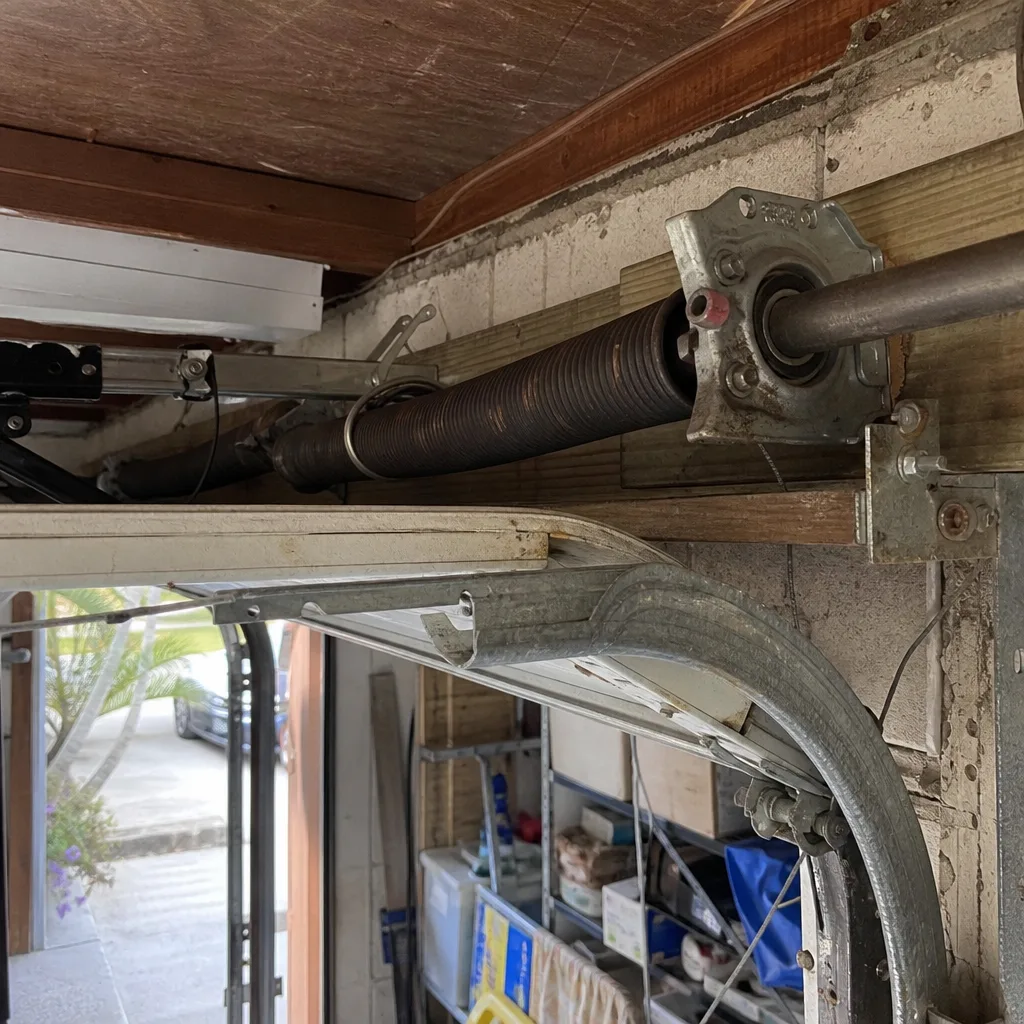 Before
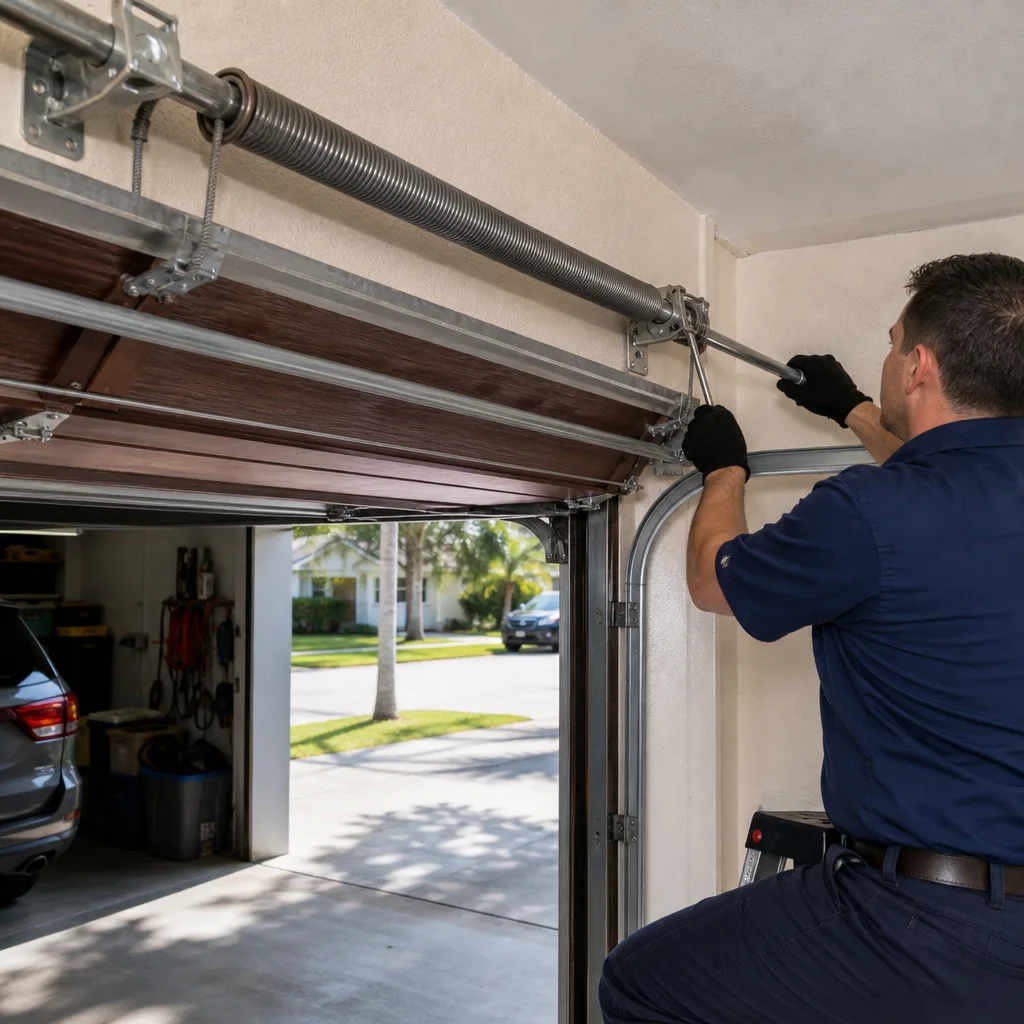 After
After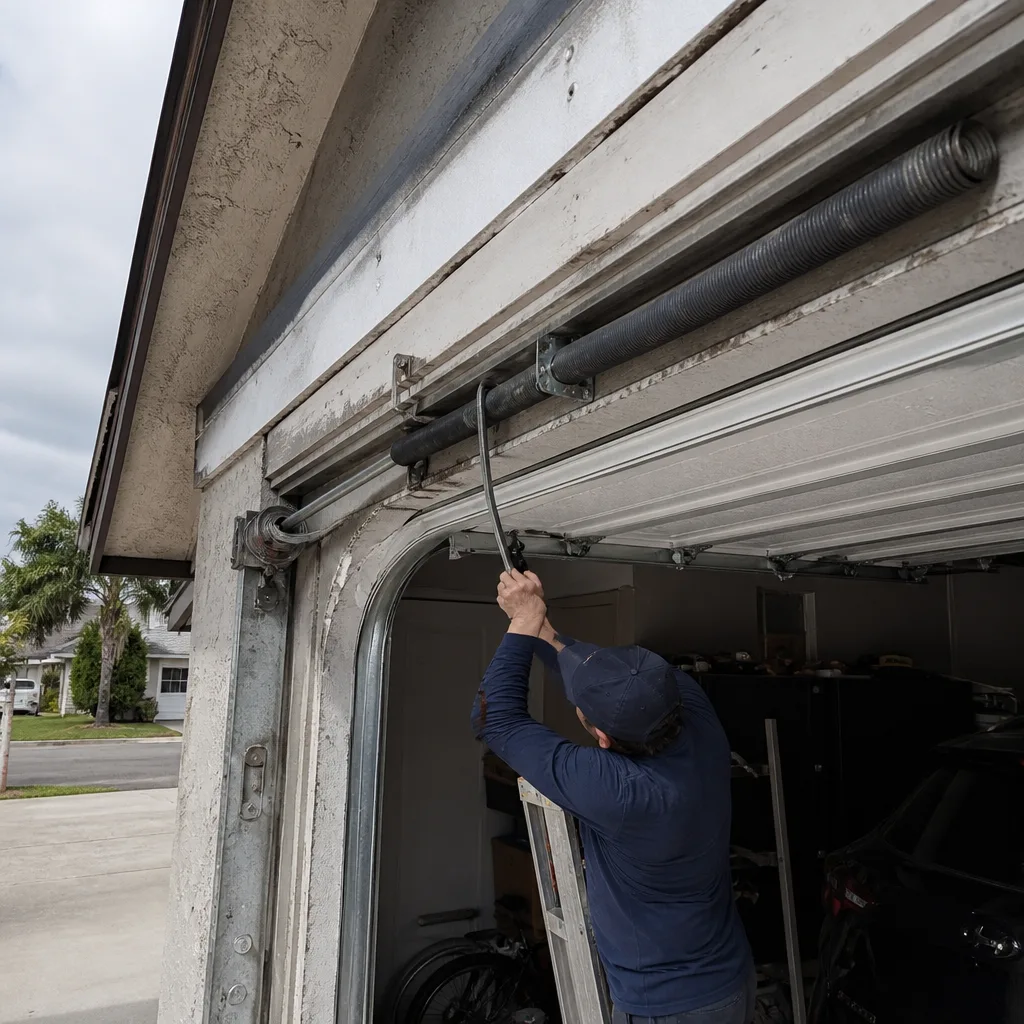 Before
 After
After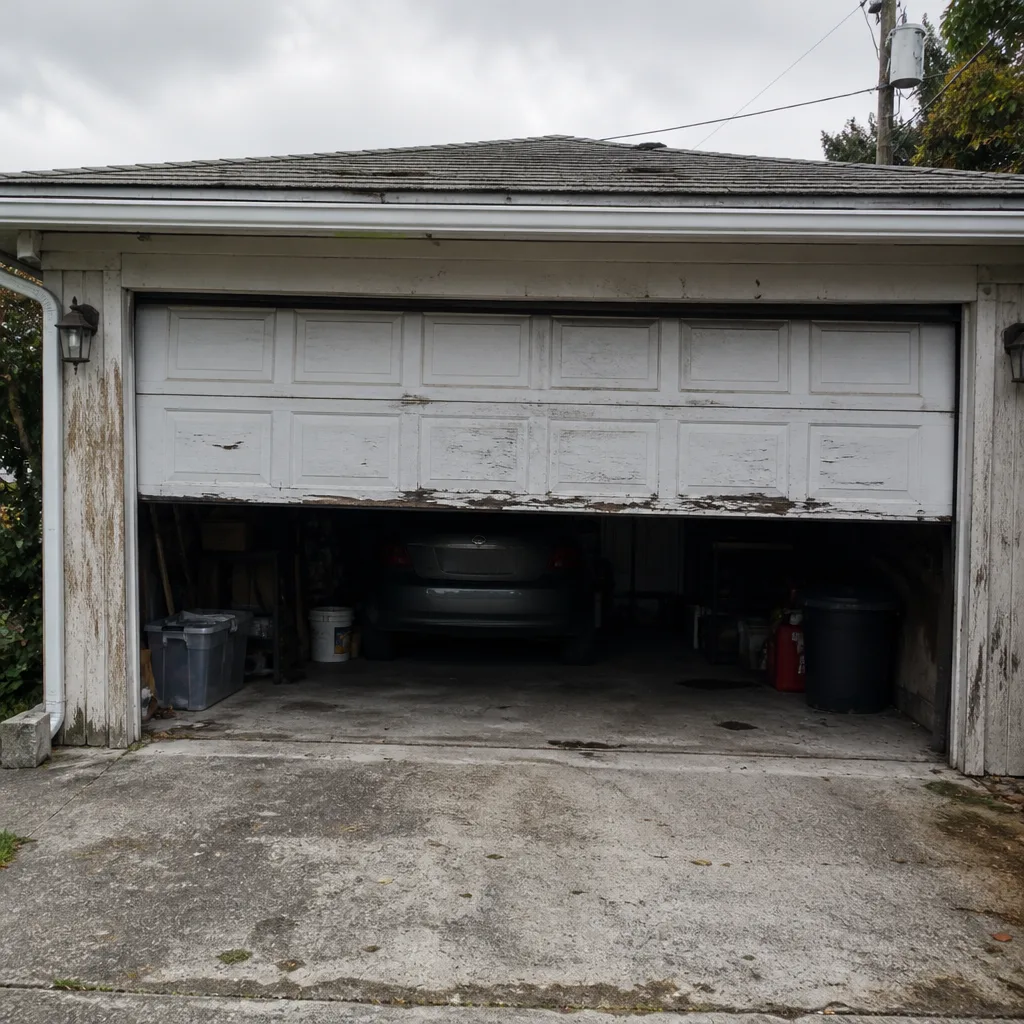 Before
 After
After