
Last updated October 16, 2026
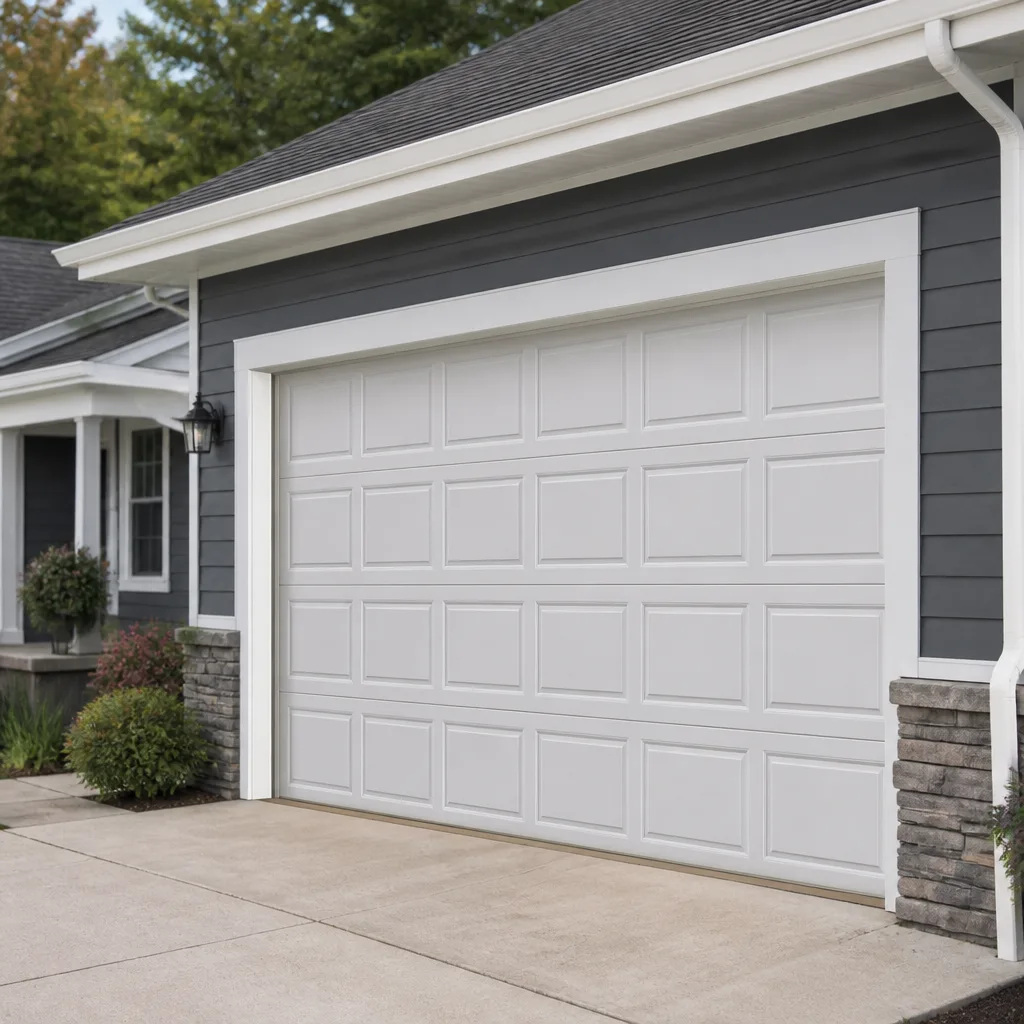 Raised-panel steel
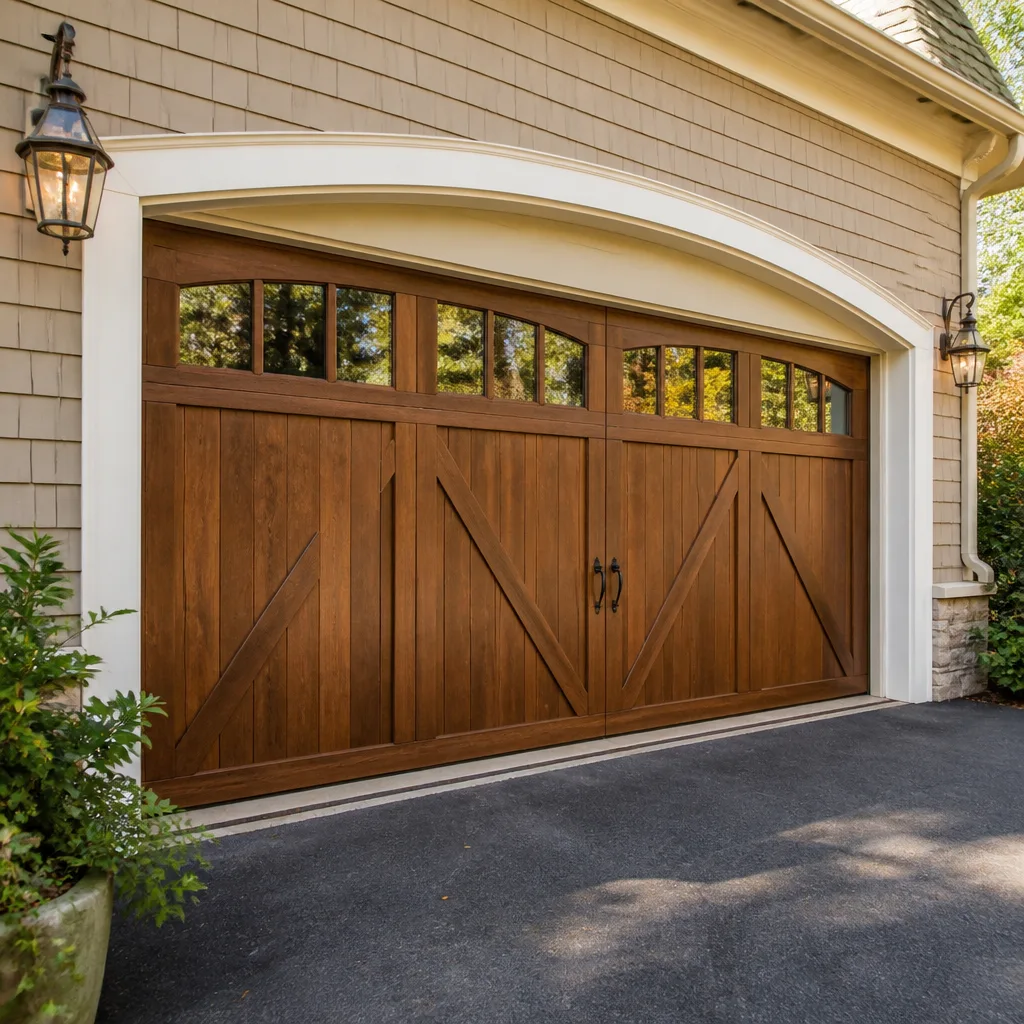 Carriage house
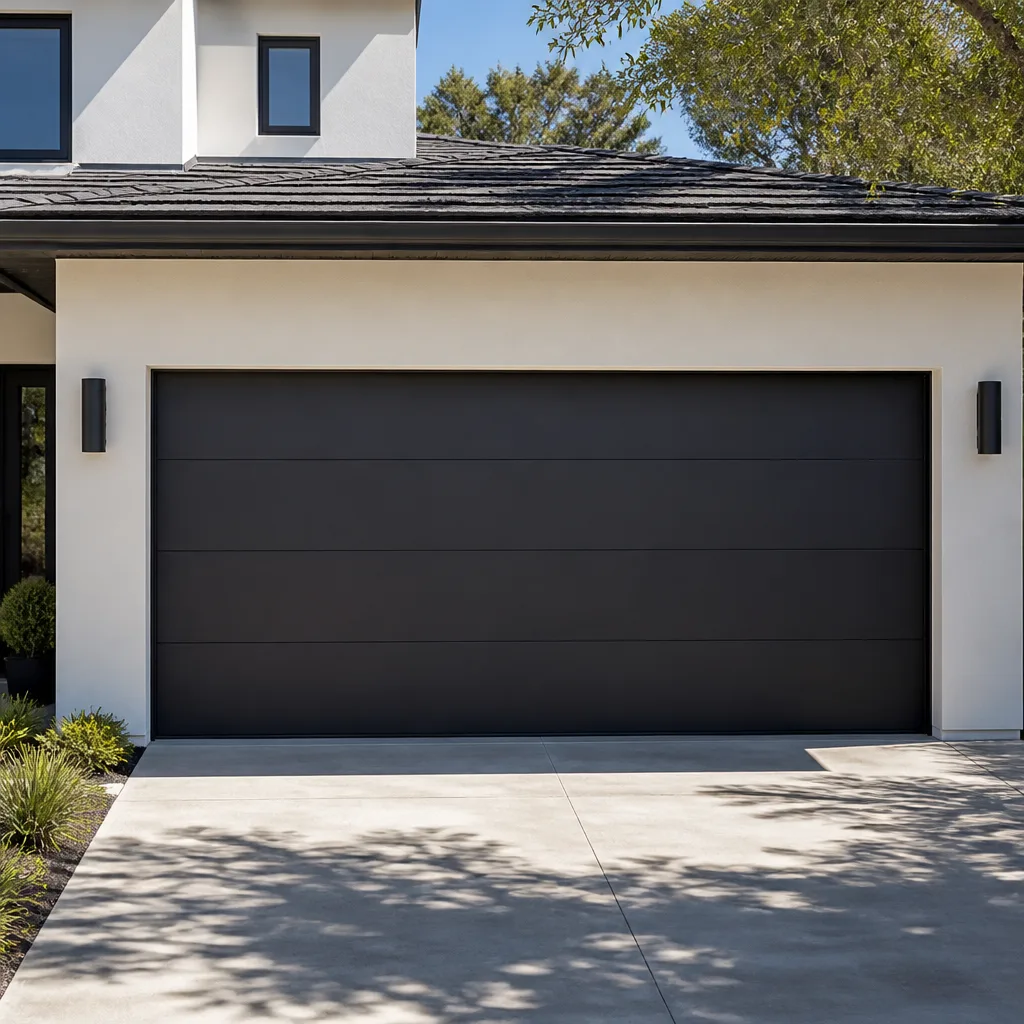 Modern flush
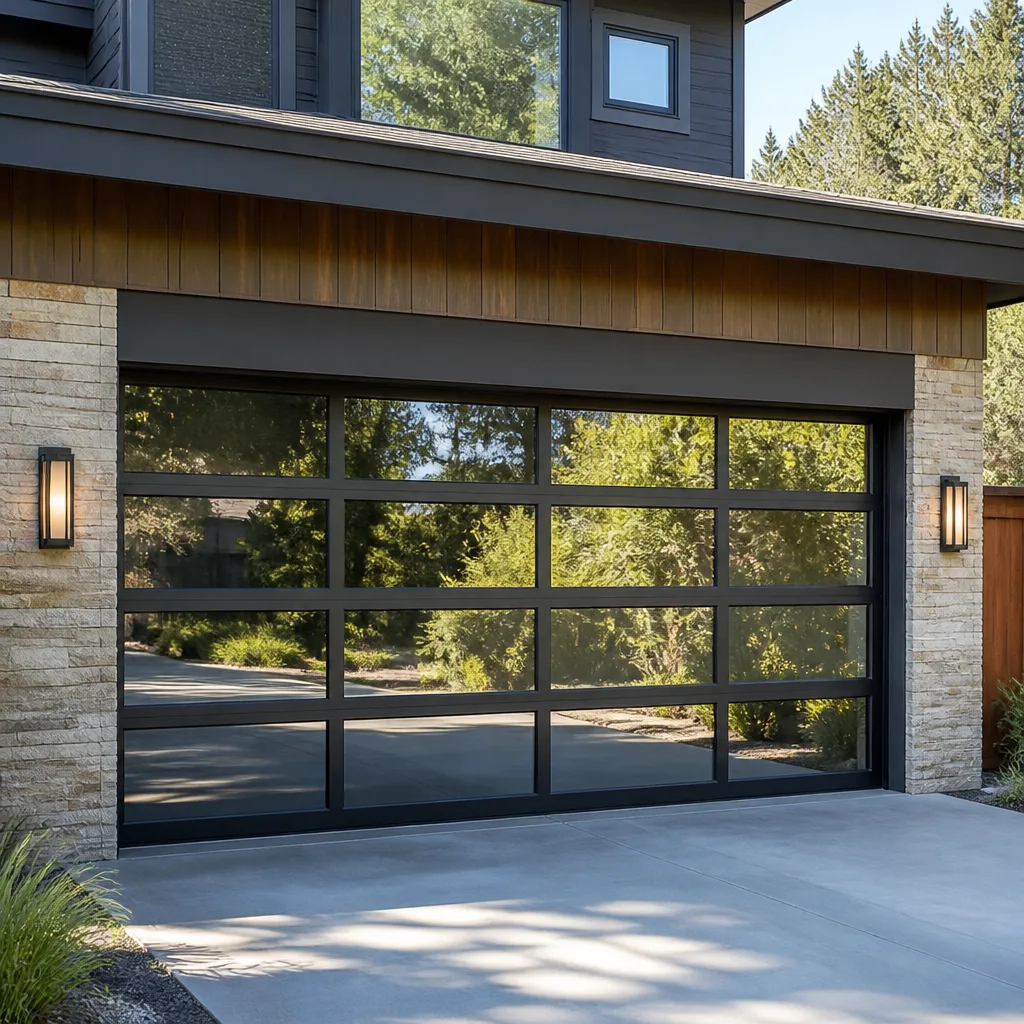 Full-view glass
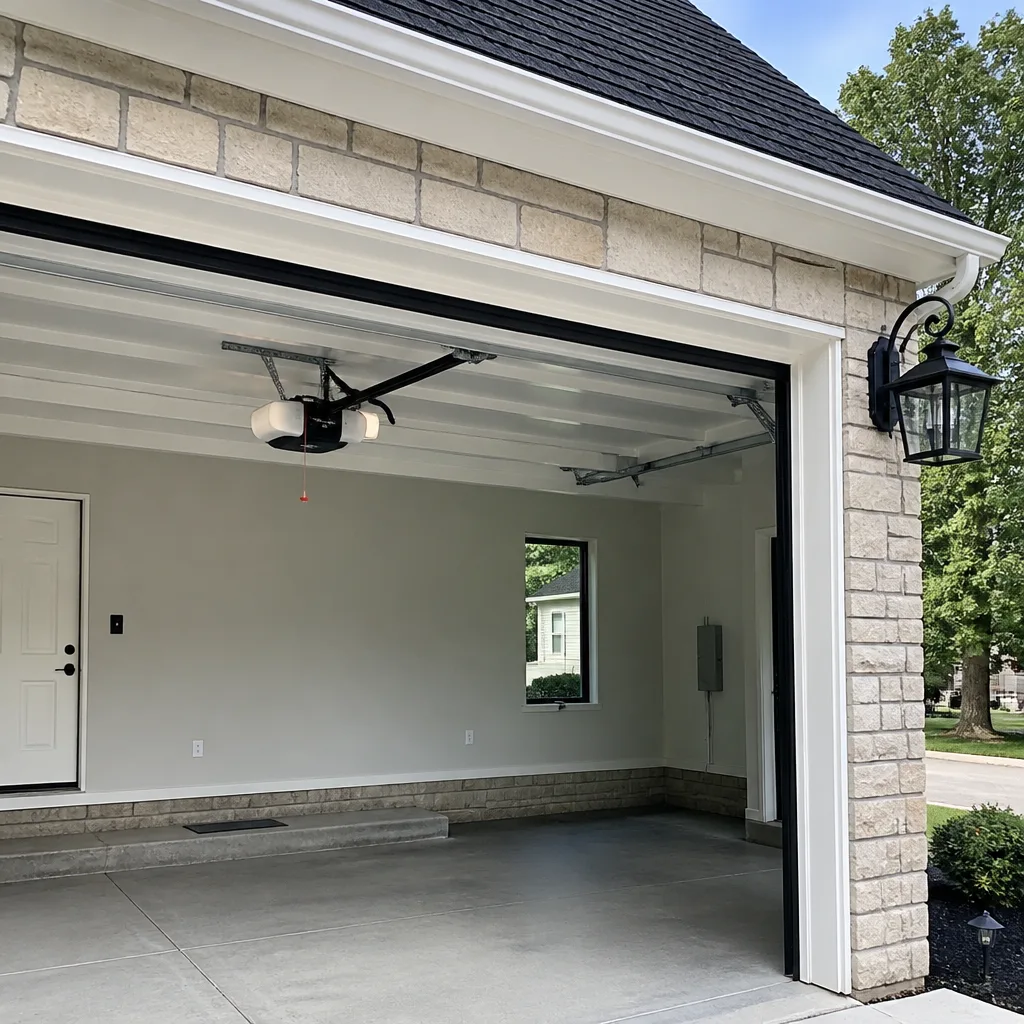 LiftMaster openers
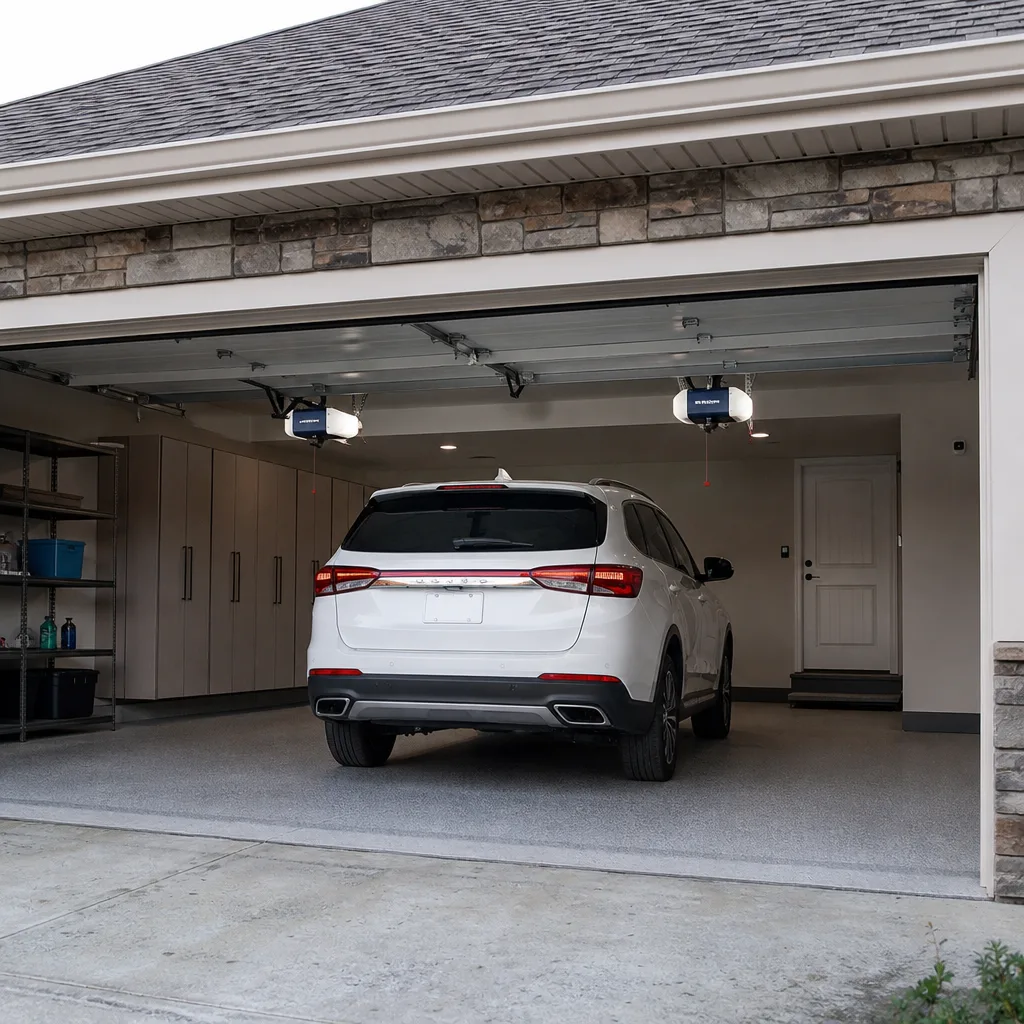 Chamberlain openers
Full 25-point door and opener safety check with every visit - springs, cables, rollers, tracks, and your LiftMaster or Chamberlain opener included
You get a price before we start. It does not change when the truck arrives.
Get your free estimateGarage Door Warning Signs: A Fort Lauderdale Homeowner’s Reference Guide
Here’s something most garage door guides won’t tell you: in Fort Lauderdale, a grinding noise is more likely to be corroded roller stems than worn nylon rollers. Salt air attacks the metal stem the roller rides on, not the roller itself, and those two diagnoses carry very different repair costs. Our Complete Guide to Garage Door in Fort Lauderdale walks you through what each warning sign actually sounds, looks, and feels like in a coastal Florida home, so you can describe the problem accurately when you call for service. You’ll learn which signs mean schedule an appointment and which mean stop using the door today.
Quick Answer
The most common garage door warning signs in Fort Lauderdale are a door that drops hard when closing, one side sitting lower than the other, grinding or squealing that changes with humidity, visible rust streaking below the torsion spring, and an opener that strains or reverses mid-cycle. Salt air corrosion accelerates hardware wear here compared to inland climates, so early intervention usually costs $150 to $280 for a spring replacement versus $600 to $1,200 for a full door replacement if ignored.
Styles & brands we work with
Table of Contents
- Torsion Spring Failure vs. Cable Failure: Two Different Emergencies
- “One Side Runs Ahead of the Other” and Why It Matters
- Salt-Air Corrosion Warning Signs Specific to Fort Lauderdale
- Is It the Opener, the Limit Switch, or the Door Itself?
- Scheduled Repair vs. Emergency: How to Tell the Difference
- Warning Signs That Mean Replacement, Not Repair
- How Fort Lauderdale’s Climate Changes What You’ll See
- Common Mistakes to Avoid
- When to Call a Professional
- Frequently Asked Questions
Torsion Spring Failure vs. Cable Failure: Two Different Emergencies
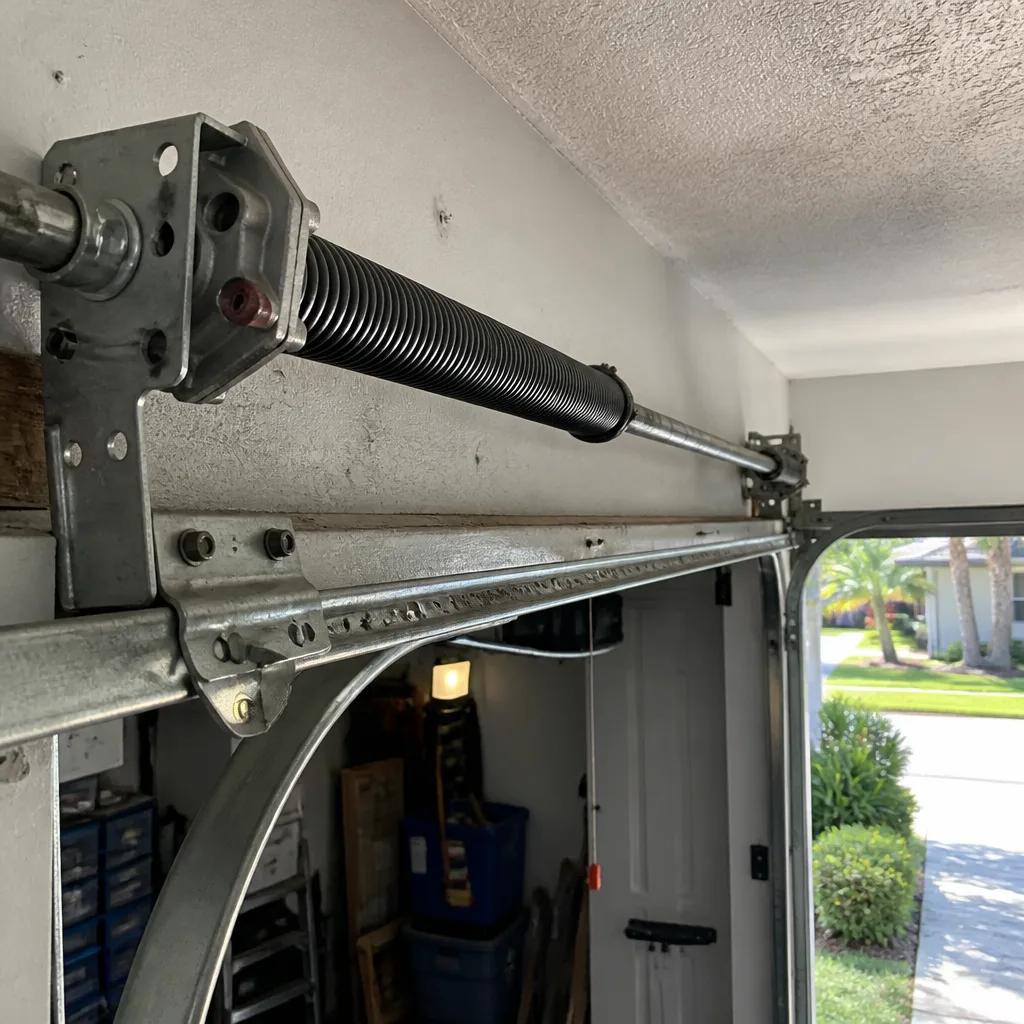
A torsion spring is the heavy coil mounted horizontally above the door. It does most of the lifting work, storing tension that counterbalances the door’s weight. When a torsion spring breaks, you’ll usually hear a loud bang that sounds like a firecracker or a car backfiring inside the garage. The door will drop hard if it was open, and if you try to open it manually, it will feel impossibly heavy. The opener will strain, hum loudly, and often quit because the motor can’t lift that weight alone.
A cable failure looks different. The cables run along both sides of the door, connecting the bottom brackets to the cable drums at the top. When a cable snaps or slips off its drum, one side of the door drops lower than the other. The door tilts visibly. You might see a frayed cable hanging loose or a bare drum with no cable wrapped around it.
Why does the distinction matter? Because the response steps are different. A broken torsion spring means the door cannot be safely lifted by hand or by the opener. The opener will burn itself out trying. A slipped or snapped cable is equally dangerous because the door is now unbalanced, but the mechanism that failed is different, and continuing to run the opener risks pulling the door off its tracks entirely. In Fort Lauderdale, where many homes have heavier hurricane-rated doors from brands like Clopay and Amarr, the spring tension is higher than on a standard inland door, and the failure is louder and more violent when it happens.
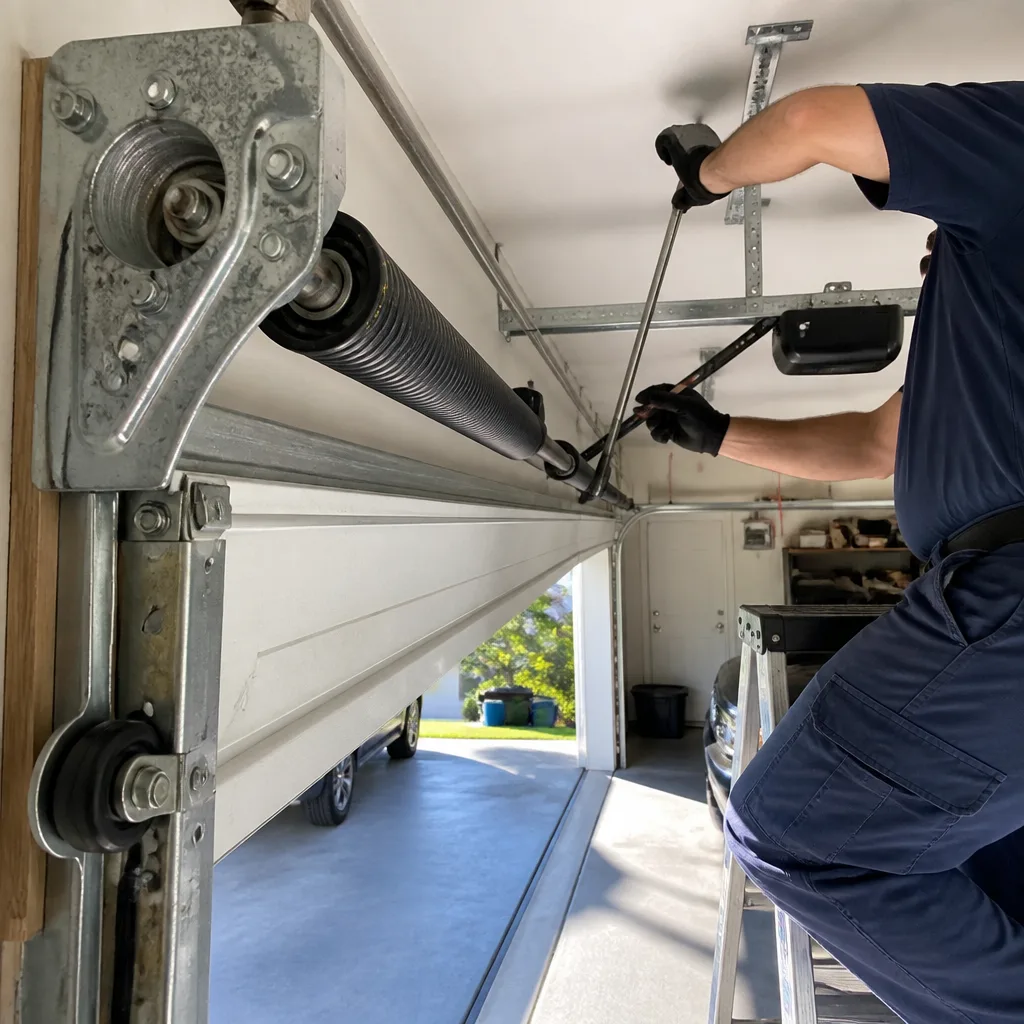
We’ve replaced torsion springs in neighborhoods from Victoria Park to Coral Ridge, and the pattern is consistent: salt air shortens spring life by 20 to 30 percent compared to inland Florida. Most torsion-spring replacements in Fort Lauderdale run $180 to $340, parts and labor included. Cable replacement runs $120 to $220. Both are jobs for a trained technician because the tension involved can cause serious injury if released improperly.
What to do: If you hear a bang and the door won’t lift, stop using it. Pull the manual release cord only if you need to get a car out, and be prepared for the door to be extremely heavy. Then call for spring repair. If one side sits lower, stop using the door immediately and call for cable repair. Running the opener in either case turns a $200 fix into a $900 track-and-panel repair.
“One Side Runs Ahead of the Other” and Why It Matters
When you watch the door open or close and one side moves faster than the other, the door visibly tilting as it travels, the mechanical cause is almost always a cable problem at the cable drum. Here’s what’s happening in plain terms: each side of the door has a steel cable that wraps around a drum at the top. The drums are designed to wind those cables at the same rate. If one cable slips off its drum, stretches, or begins to fray and bind, that side of the door loses tension. The result is a door that opens crooked.
What most people don’t realize is that continuing to operate a crooked door causes secondary damage quickly. The rollers on the low side get forced against the track at a bad angle. The track can bend. The hinges on the low side carry extra weight and can tear out of the door panel. A $150 cable repair becomes a $500-to-$800 track replacement if you keep pressing the opener button in the hope that the door will straighten itself out. It won’t.
The practical takeaway for Fort Lauderdale homeowners: if you see the door running uneven, stop using it. Unplug the opener if that’s what it takes to keep family members from hitting the button out of habit. The parts involved, the cable drum and the cable itself, are steellike material that our coastal humidity and salt content attacks steadily. We routinely see doors in older Fort Lauderdale homes built before 1990 where the original cable drums have developed a rough, pitted surface that grabs the cable unevenly, which is exactly the condition that causes one side to lag.
Salt-Air Corrosion Warning Signs Specific to Fort Lauderdale
This is where a Fort Lauderdale garage door guide needs to depart from the textbook. National guides talk about worn rollers and weak springs. They rarely mention the three corrosion signatures we see on a weekly basis in this city. Each one tells you something specific about what’s failing and how urgently it needs attention.
Orange-brown streaking below the torsion spring. This is rust, and it’s more than cosmetic. As the spring cycles through thousands of open-close operations, microscopic cracks form in the steel. Salt air accelerates the oxidation of those cracks, which weakens the spring. Streaking means the spring is actively rusting, which means its remaining lifespan is shorter than the rated cycle life. If you see bright orange drip lines on the wall or the horizontal track below the spring, schedule an inspection. The spring itself often lasts 10,000 to 20,000 cycles in a dry climate. In Fort Lauderdale’s humid salt air, that number drops.
White powder residue on the bottom bracket. That’s galvanic corrosion. The bottom bracket is usually steel, and the bolts that hold it are often a slightly different alloy. When salt moisture sits on the joint between the two, it creates a weak electrical current that eats the metal. The white powder is the byproduct. You’ll see it most often on doors within a half mile of the Intracoastal or the ocean, including neighborhoods like Las Olas Isles, Rio Vista, and Harbor Beach. A corroded bottom bracket is the part the cable attaches to, so failure here means the cable pulls free, and the door slams shut.
A squeal that changes with humidity. Most garage door squeaks are consistent. A Fort Lauderdale-specific pattern is a squeal that’s loud on humid mornings and fainter on dry afternoons. That’s the sound of a roller bearing that has lost its internal grease and is running metal-on-metal inside a rusted stem. The humidity acts as a temporary lubricant and changes the pitch. If your door sounds like it changes its mind based on the weather, the rollers and stems need to be replaced together.
Is It the Opener, the Limit Switch, or the Door Itself?
When your opener strains, reverses mid-cycle, or grinds, the cause falls into one of three categories, and two of them don’t require a new opener.
1. Limit switch calibration
The limit switch tells the opener when the door has reached the fully-open or fully-closed position. It’s an adjustment, not a part that usually breaks outright. Symptoms include the door hitting the floor and immediately reversing, stopping six inches short of the ground, or running for a second or two after reaching the top. This is a calibration fix, and it costs $80 to $140 in Fort Lauderdale. A technician adjusts the limit screw or reprogrammed the travel limits on a smart opener, and the problem disappears.
2. A failing motor or drive gear
A motor that’s actually failing makes a strained, weak humming sound, or it makes a rasping grind that sounds like metal teeth slipping. That second sound is usually the drive gear, a plastic gear inside the opener housing that’s designed to fail as a sacrificial part. On a Genie or a Wayne Dalton opener more than ten years old, the drive gear wears smooth. Replacing the gear costs $140 to $200. Replacing the whole opener runs $350 to $650, installed.
3. A door that’s too heavy due to accumulated corrosion
This is the Fort Lauderdale-specific one. The opener is rated to lift a specific door weight, usually 350 to 500 pounds for residential units. A standard steel door might weigh 150 to 200 pounds. But when every roller stem, every hinge pin, and every track joint carries a light crust of corrosion, the rolling resistance rises. The door doesn’t get heavier, but it takes more force to move it. The opener works harder on every cycle and eventually the motor, the gear, or both give out. We see this most often in garages close to the water where the door faces east toward the ocean. The fix is a full hardware replacement and track service, not a new opener, and it costs $180 to $360.
Scheduled Repair vs. Emergency: How to Tell the Difference
Not every warning sign is an emergency. Here’s a clear breakdown-plus more guides & resources-so you know whether to call for a same-day visit or schedule at your convenience.
Schedule a repair appointment (within a week):
- A consistent squeak or rattle that doesn’t change with load
- Orange-brown streaking below the torsion spring with no other symptoms
- White powder residue on the bottom bracket with intact cables
- An opener that reverses occasionally, once out of every ten cycles
- A door that’s slightly harder to lift manually than it used to be
- Visible but not deep rust on the track or hinges
Emergency (stop using the door and call now):
- A loud bang followed by a door that won’t open
- One side of the door sitting visibly lower than the other
- A frayed or hanging cable
- The door dropping hard and fast on the way down
- Smoke, burning smell, or visible sparks from the opener
- A door that falls when you pull the manual release
The distinction comes down to whether the door can still be relied on to stay where you put it. A noisy door is an inconvenience. A door that drops hard or hangs crooked is a hazard, and in a Fort Lauderdale home where kids and bikes and cars move through the garage constantly, the risk isn’t theoretical.
Warning Signs That Mean Replacement, Not Repair
Some damage goes past the point where a repair makes financial sense. Here’s how to tell the difference.
Rust through the bottom panel. Surface rust can be treated. Rust that has eaten through the steel skin of the bottom panel means the panel has lost structural integrity. The bottom panel holds the bottom brackets, which the cables attach to, so this is a safety issue as much as a cosmetic one. Replacement of a single panel on a Clopay or Amarr door runs $300 to $500, but on a door older than fifteen years, the color match will be poor and other panels are likely to fail soon after. Full door replacement in Fort Lauderdale runs $1,200 to $3,500 depending on size, insulation, and brand.
Multiple broken hinges in one year. One broken hinge is a $60 repair. Two or three in the same year usually means the door is out of alignment because of track wear or a shifting foundation, common in older Fort Lauderdale homes with slab settling. Replacing hinges on a door that’s fighting its own track is throwing money at the symptom.
A door more than twenty years old with no hurricane reinforcement. Fort Lauderdale building code requires wind-load-rated doors for new installations and major replacements. A door from the late 1990s or early 2000s likely predates the current code. It may not have the reinforcement struts that keep a door from buckling inward during a tropical storm. When a door this old shows multiple warning signs, replacement with a current code-rated model is usually the smarter financial decision.
Our Garage Door Installation in Fort Lauderdale team walks through the code requirements, insulation options, and wind-load ratings before any recommendation, and the written price comes before any work starts.
How Fort Lauderdale’s Climate Changes What You’ll See
If you moved to Fort Lauderdale from up north or from a drier part of Florida, your garage door will surprise you. The failure patterns here are different in three specific ways.
First, springs fail earlier. The average torsion spring is rated for 10,000 cycles, which translates to seven to ten years of normal use. In Fort Lauderdale, the combination of salt air and constant high humidity, humidity that stays above 70 percent for most of the year, accelerates the micro-cracking that precedes spring failure. We regularly replace springs that are six years old, not ten.
Second, rollers fail at the stem, not the wheel. Most parts of the country see nylon rollers wear down on the wheel surface. Here, the nylon survives but the steel stem rusts and seizes inside the hinge. You’ll hear the roller scraping instead of rolling. The fix requires replacing both the roller and the hinge, not just the roller.
Third, tracks rust from the inside out. The track is a channel, and the inside face is where water condenses and salt collects. By the time you see rust on the outside of the track, the inside is worse. A track service, which includes cleaning, lubricating the correct points, and checking for internal corrosion, should happen every eighteen months on a Fort Lauderdale garage door. Most homeowners do it never.
All of this is why our Garage Door Repair in Fort Lauderdale work starts with a full hardware inspection. We’re not looking for one problem. We’re looking for the pattern that tells us what’s about to fail next.
Common Mistakes to Avoid
- Lubricating the wrong parts. Spraying WD-40 on rollers and tracks is the most common mistake we see. WD-40 is a solvent, not a lubricant. It cleans, then it evaporates, and the metal runs dry. Use a white lithium grease or a silicone spray designed for garage doors, and apply it only to the roller bearings, hinges, and the torsion spring. Never lubricate the track itself; a lubricated track makes the rollers slip instead of roll.
- Ignoring a noisy door because it still works. A garage door doesn’t fail quietly. The noise is the warning. A squeak that’s been present for six months means a roller bearing has been running dry for six months, and the part is now worn past the point of lubrication. The repair cost grows with every week of ignoring it.
- Pulling the manual release with the door up. If the spring is broken and you pull the release cord, the door will fall under its full weight. If you need to use the manual release, do it with the door down, or have two people ready to support the door’s weight.
- Replacing the opener without inspecting the door. A door that’s heavy from corrosion kills openers. If you replace an opener on a heavy door without fixing the underlying hardware, you’ll replace another opener in three years. The door inspection should come first.
- Assuming a crooked door will straighten itself. It won’t. Every cycle on a crooked door bends the track, a little more each time. The fastest way to turn a cable repair into a track replacement is to keep pressing the button.
- Buying the cheapest spring online and installing it yourself. Torsion springs are dangerous to install without the right winding bars, and the springs sold online are often generic parts with unknown cycle ratings. A mismatched spring on a Fort Lauderdale door that already fights salt corrosion will fail faster than the one you replaced.
When to Call a Professional
Call a professional any time the warning sign involves a torsion spring, a cable, a track, or any part under tension. Those components store enough energy to cause serious injury if they’re mishandled. A technician can also spot secondary damage that you’d miss, the corroded hinge pin that hasn’t failed yet, the track that’s starting to bow.
Bramwell Garage Doors Fort Lauderdale offers free estimates in Fort Lauderdale. Call (754) 701-2440 and you’ll reach a live person, any hour, any day. We schedule a real arrival window, show up in a marked vehicle with a uniformed, background-checked technician, and hand you a written price before any work begins. That price is the price, period. If a covered repair fails inside a year, we come back and fix it at no charge. The 365-Day Done Right Promise is in writing on every job.
Frequently Asked Questions
A torsion spring breaking sounds like a loud bang, similar to a firecracker or a car backfiring, coming from inside the garage. If you hear that sound and the door won’t open, stop using the door and call for spring repair. At Bramwell Garage Doors Fort Lauderdale, most torsion spring replacements in Fort Lauderdale run $180 to $340 with parts and labor included. Call (754) 701-2440 and we’ll walk through what you heard and tell you what it means before any visit is scheduled.
Torsion spring replacement in Fort Lauderdale typically runs $180 to $340 for a standard residential door, including parts and labor. Extension springs run $120 to $220. The price you’re quoted includes a written estimate before any work starts, and the number on the invoice matches the number you agreed to. Call (754) 701-2440 for a free estimate over the phone; we’ll describe what the technician will check and what it will cost, in writing, before any work begins.
You can open it manually using the red release cord, but the door will be extremely heavy, often 150 to 250 pounds on a Fort Lauderdale home with a hurricane-rated door, and it will not stay up on its own. Have someone help you lift it, and never lift from the bottom edge with your fingers under the door. The safer choice is to leave the door alone and call for same-day spring repair. We answer the phone 24/7 at (754) 701-2440.
In Fort Lauderdale’s climate, a squeal that changes with humidity usually means a roller bearing has lost its internal grease and the metal stem is corroded. The early-morning humidity acts as a temporary, very thin lubricant, which changes the sound. The fix is replacing the rollers and hinges as a set, which runs $120 to $220 on a standard two-car door. This is one of the most common salt-air issues we repair on doors within a half-mile of the Intracoastal.
In Fort Lauderdale, a standard torsion spring rated for 10,000 cycles usually lasts six to nine years because salt air and constant humidity accelerate the micro-cracking that leads to failure. Inland Florida springs often make it to ten or twelve. If your springs are over seven years old and you hear a creaking from above the door, call (754) 701-2440 and we’ll schedule an inspection before the bang.
Yes. Our technicians stock common torsion springs, extension springs, cables, rollers, hinges, and limit switches in the truck, which means most repairs in Fort Lauderdale are handled in a single visit. If your door needs a non-standard part, we’ll tell you before the appointment, and we’ll give you a written price for the full job, including the part, before any work starts.
The Bottom Line
Garage door warning signs in Fort Lauderdale don’t look exactly like the textbook examples, because salt air and humidity change where failures begin. A grinding noise here is often a corroded roller stem, not a worn roller. A door that drops hard might be a spring, or it might be a cable that’s been quietly rusting for years. The useful distinction isn’t between the seven generic symptoms; it’s between the signs you can schedule and the signs that mean stop using the door today. When you know which is which, you can describe the problem accurately, get a real price, and avoid turning a $200 repair into a $900 replacement. Bramwell Garage Doors Fort Lauderdale answers the phone 24/7 at (754) 701-2440. Written price first, real arrival window, clean job site, written guarantee. The Kingswell Way, every job.
Written by Marcus Ellery, Owner at Bramwell Garage Doors Fort Lauderdale, serving Fort Lauderdale since 2001.
See the difference
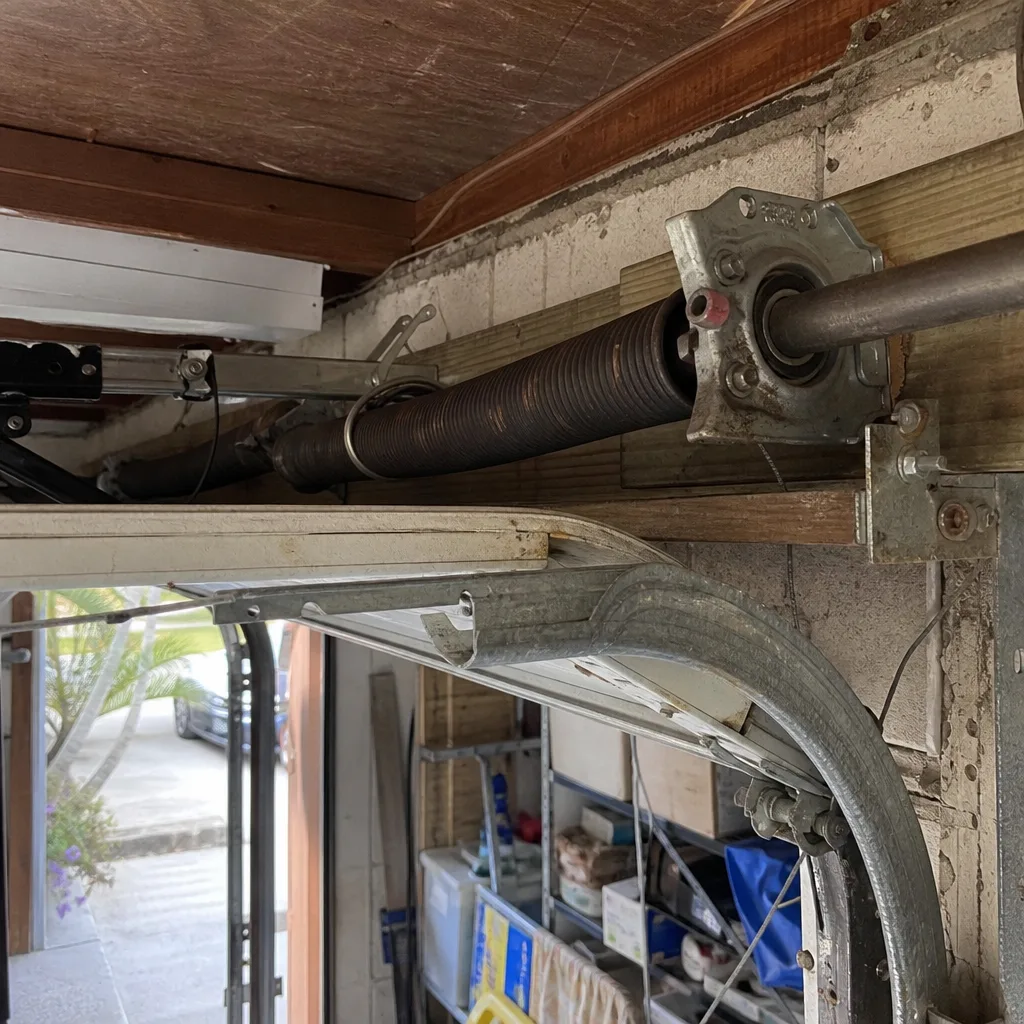 Before
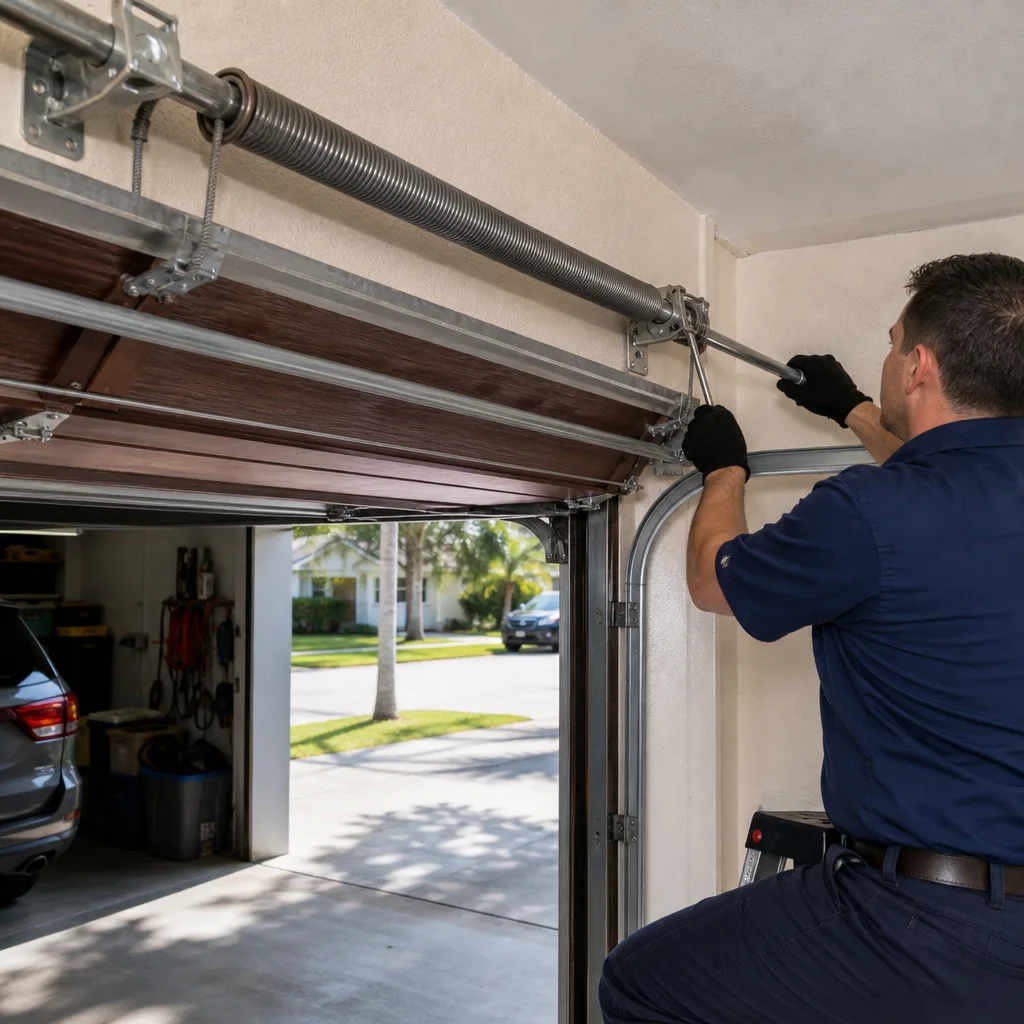 After
After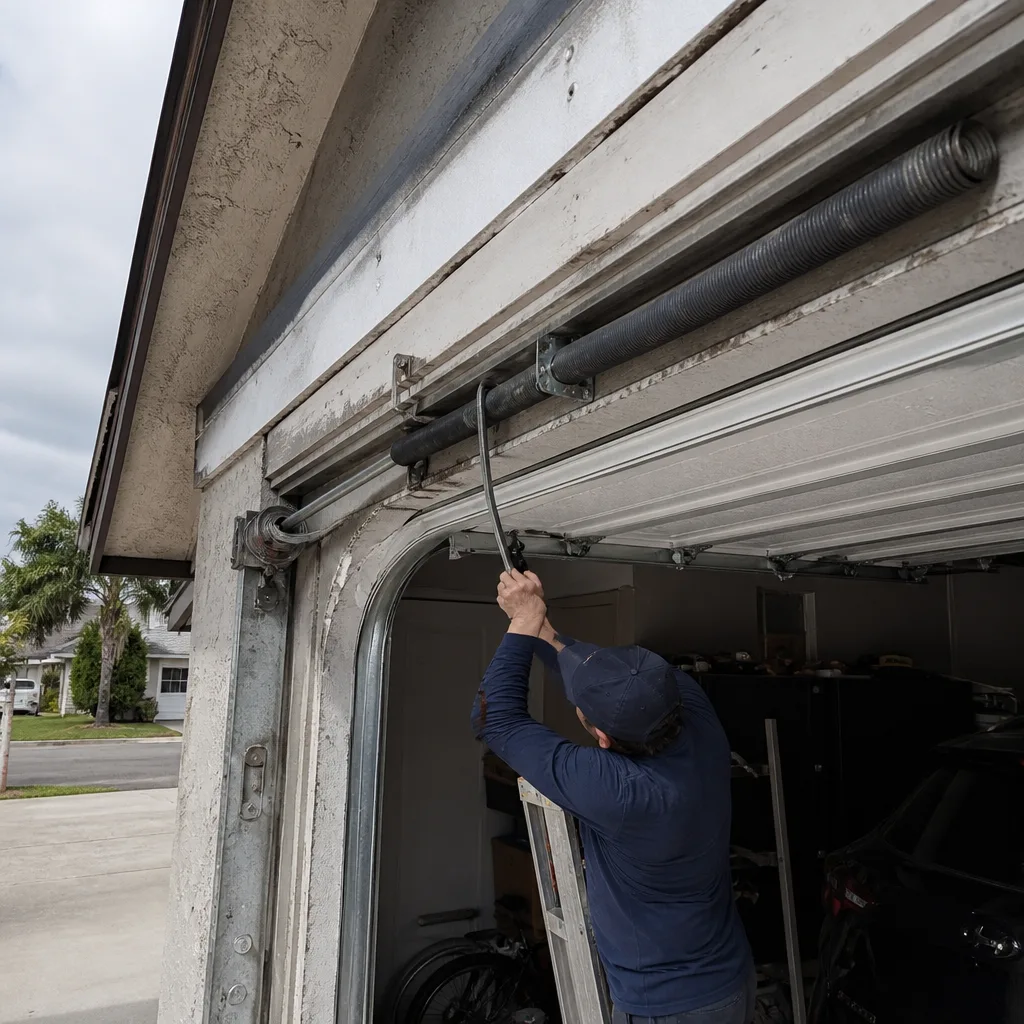 Before
 After
After Before
 After
After